
What the day feels like
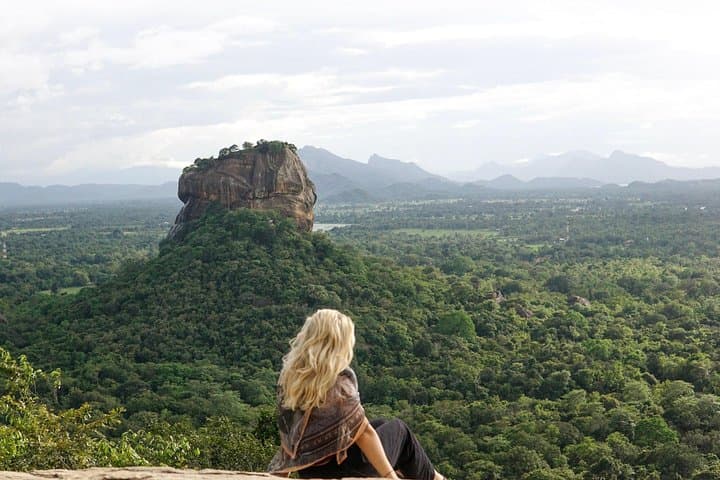
By the time the minivan rolls onto the dusty lane that feeds Pidurangala’s temple car park, the sky is a bruise of blue and orange. A handful of tourists and a few local devotees move at an easy, purposeful pace toward the steep, rocky spine of the outcrop. Monkeys chat from the trees; temple bells ping in the distance. The first view—when you push through a break in the rock and see Sigiriya, the so-called Lion Rock, sitting like a crown in the wide Sri Lankan plains—makes the climb worth every huff.
Pidurangala is not a polished tourist attraction. The path is a patchwork of concrete steps, iron ladders, and raw boulder-scramble; it rewards grit and timing more than gear. If you’re in reasonable shape and push steadily, the ascent from the base to the summit takes 30–45 minutes; if you stop for photos and the cave temple, allow 90–120 minutes roundtrip. The tour’s five-hour window (this is typically sold as a half-day outing from Colombo) leaves time for the climb, a guided exploration of the Pidurangala cave temple, and a long look down at the 5th-century engineering feat that is Sigiriya.
There’s a layered history here. In the fifth century King Kasyapa made Sigiriya his fortress and painted his court on the rock face. Monks who once lived around Sigiriya were moved to Pidurangala—today you’ll find a cave temple, a reclining Buddha, and a squat, moss-streaked stupa that local tradition says marks the spot where King Kasyapa was cremated. Geologically, these are ancient Precambrian formations—hard, heat-baked gneiss and granite that cleave into dramatic outcrops across Sri Lanka’s central lowlands. The rock’s stubbornness produces sharp ledges, shadowed caves, and wide terraces that open like stages for the plain below.
The climb itself is an intimate mix of natural exposure and human history. Local stone steps lead to a hillside of laterite and bedrock; iron ladders patched onto steep faces tug the ascent into a more vertical register. The last approach is an angled scramble over boulders where hands find holds and the air thins with height. Along the way, the temple’s carved images and faded murals keep one foot in the spiritual rhythm of the place—this is not just a viewpoint but a working religious site. Respect the sacred spaces: cover shoulders and knees while near the temple, move quietly, and accept that monks’ rituals will shape the visit.
Why climb Pidurangala instead of Sigiriya? For one, the view. From Pidurangala’s summit you get a near-perfect, photographer’s composition of Sigiriya’s flat top and ancient ramparts, backed by rice paddies and the rough-washed hills beyond. For another, there’s the intimacy; Pidurangala is less crowded, and its route let travelers feel the climb’s texture—the grind of steps, the cold rust of ladder rungs, the sun on bare stone—more distinctly.
Practically, timing is everything. Sunrise is the peak experience: the world is cool, the light flatters the rock, and the plains fill with mist that lifts like breath. Avoid the midday sun—temperatures climb quickly and the rock radiates heat. The circuit is manageable for fit beginners (think regular hikers who can handle a 30–45 minute steep ascent) and an excellent day-trip from Colombo if you want cultural payoff and physical challenge in one package.
Packing and preparation are straightforward. Sturdy trail shoes with good grip will save your knees on the descent. Bring at least 1–1.5 liters of water per person in the heat, a wide-brim hat, and sunscreen; a light, quick-dry layer can help for the early-morning chill and shade under the temple overhang. Cash for a small entrance fee and tips for local guides or temple staff is practical—some of the access points are managed on a small, local scale.
On the logistics side, tours from Colombo typically run five hours door-to-door. Expect a 3.5–4 hour drive depending on traffic, though private transfers can speed things up. Cell service is patchy on the rock but reliable in nearby towns. The site is walkable but not stroller-friendly; children and anyone with significant mobility restrictions should plan accordingly.
For the traveler who wants more than a good Instagram shot, Pidurangala rewards slow attention: listen to the monkeys as you climb, trace the faded mural lines in the cave temple, watch farmers tend water-filled paddies far below, and let the silence on certain terraces press against the rush of urban life you left in Colombo. It’s a short, sharp encounter with Sri Lanka’s layered past—a physical ascent and a small initiation into the country’s rural rhythms.
If you go: aim for sunrise, hire a local guide for cultural context, and pair the climb with a visit to Sigiriya’s lower archaeological zone if time allows. Keep a light footprint—these are sacred and fragile places—and you’ll leave with a better sense of the island’s geology, its kings, and the enduring human impulse to make a place visible from a distance.
Trail wisdom
Small choices, better day.
Start at Sunrise
Beat the heat and crowds—arrive before dawn for cooler temperatures and the best light on Sigiriya.
Wear Grippy Footwear
Sturdy trail shoes with good traction help on steep steps, iron ladders, and boulder scrambles.
Respect Temple Etiquette
Cover shoulders and knees at the cave temple, move quietly, and remove shoes where required.
Bring Cash
Small local entrance fees and tips are usually cash-only—carry small denominations.
Local knowledge
Read the place, not just the route.
Watch for native species including Toque macaque (Sri Lankan monkey), Oriental darter and a variety of waterbirds in the surrounding plains.
Keep an eye out for wildlife during the transition between areas and habitats. Respect distance guidelines.
The site is both a working religious space and a natural outcrop—stick to established paths, avoid climbing on fragile murals, and dispose of trash in towns rather than at the temple.
Follow the guide's instructions on size limits, ethical handling, and leave-no-trace practices.
Climb a short distance past the main terrace for a quieter vantage point with fewer visitors. Explore the cave temple murals and the reclining Buddha near the summit for intimate cultural detail
Locally recommended viewpoints and quiet spots known best to local operators.
Pidurangala’s monastery housed monks relocated from nearby Sigiriya when King Kasyapa made the latter his capital in the fifth century; the stupa at Pidurangala is locally believed to mark the king’s cremation site.
Maritime roots and regional tradition shape the waterways and working coasts.
Seasonal guide
Four versions of the same landscape.
Spring
Best forDry-weather climbing · Clear sunrise vistas
ChallengesOccasional pre-monsoon showers · Warmer afternoons
March–May is hot but typically dry early—good for sunrise climbs before the afternoon heat builds.
Summer
Best forLush green plains after rains · Fewer tourists
ChallengesIntermittent monsoon showers · muddy access in short rains
June–August brings greener scenery; plan around showers and slippery sections after rain.
Fall
Best forCrisp morning light · Cooler temperatures
ChallengesVariable rainfall in some years · greater humidity
September–November can be transitional—check weather forecasts and avoid heavy-rain days.
Winter
Best forDry conditions · Best visibility
ChallengesHigher demand from tourists · Cool morning temperatures
December–February is the dry season and the optimal time for clear, comfortable climbs.
Operator details
What the booking data adds.
Included
- ✓Hotel pickup and drop-off
- ✓Bottled water
- ✓English Speaking Driver
- ✓Complimentary WiFi Excess During the Travel (Subjected To Availability)
- ✓Transport by private vehicle
Not included
- —Food and drinks, unless specified
- —Gratuities
- —Lunch
Good to know
- ✓Not recommended for travelers with poor cardiovascular health
- ✓Infants are required to sit on an adult’s lap
- ✓Not recommended for travelers with spinal injuries
- ✓Not recommended for pregnant travelers
- ✓Travelers should have at least a moderate level of physical fitness
- ✓Comfortable walking shoes recommended for this tour.
- ✓All visitors to Buddhist and Hindu temples are expected to remove footwear and hats. Also shoulders and knees should be covered
- ✓The duration of transfers are approximate, the exact duration will depend on the time of day and traffic conditions
- ✓A current valid passport is required on the day of travel
- ✓Subject to favorable weather conditions. If canceled due to poor weather, you will be given the option of an alternative date
- ✓Mandatory to complete 14 days of quarantine for unvaccinated passengers before starting the tour.
- ✓Vaccinated passengers should stay in Level 1 hotel once arrived in Sri Lanka and obtain negative PCR report, in order to start the tour. (14 Days of quarantine is not required).
Pack with intention
What to bring.
Good to know
Common questions.
Plan 30–45 minutes for a steady ascent and 45–60 minutes for a relaxed roundtrip including photos and the cave temple; the full tour from Colombo is typically five hours.
Plan the edges
The details that make the day easier.
Local tradition holds that a stupa at Pidurangala marks the cremation site of King Kasyapa, the 5th-century ruler who built the Sigiriya fortress.
After the climb, head into Sigiriya or nearby Habarana for a plate of Sri Lankan rice and curry at a family-run restaurant, sip fresh king coconut water, and consider a late-afternoon wildlife drive in Minneriya to cap the day.
- Closest airport
- Bandaranaike International Airport (CMB, Colombo) — ~3.5–4 hour drive to Sigiriya; Trailhead: Pidurangala temple car park near Sigiriya village; Cell service: intermittent on the rock, reliable in towns; Permits: small local entrance fee for Pidurangala, separate ticket for Sigiriya archaeological site.
Pidurangala is both a religious site and a natural formation—pack out all trash, avoid touching or leaning on murals, and respect temple rules to minimize cultural and environmental impact.
Explore by topic
Follow the threads.
Keep exploring
Make the story part of the trip.
In four hours you can move from shaded canyon ferns to wind-scoured coastal ridgelines, guided by someone who knows where the light—and the hidden views—live. This private half-day hike on the Monterey Peninsula or Big Sur is compact, curated, and perfect for travelers who want depth without a multiday commitment.
 Related story
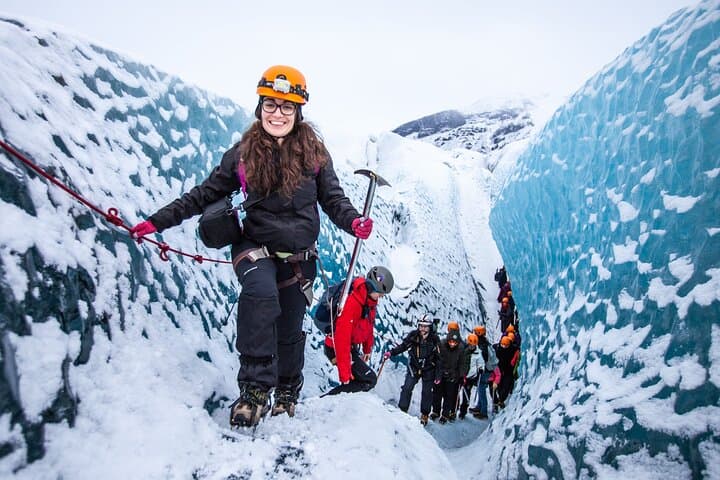
Beneath a sky of shifting light, Skaftafell’s ice reads like a map of time. This three-hour guided glacier hike mixes technical instruction with geology and culture: compact, safe, and unforgettable.
 Related story
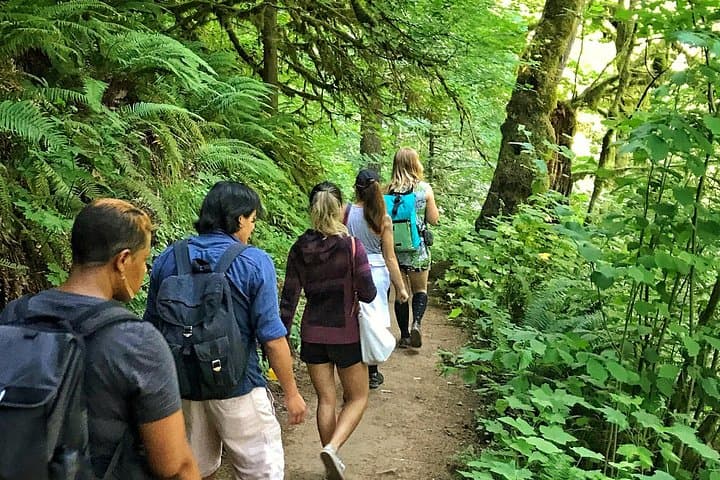
Lose the city for a few hours without leaving it: this 5-mile, 900-foot-gain Forest Park loop threads old-growth pockets, city viewpoints, and cultural landmarks for a compact taste of Portland’s wild side. Expect moss, roots, and stories.