
What the day feels like
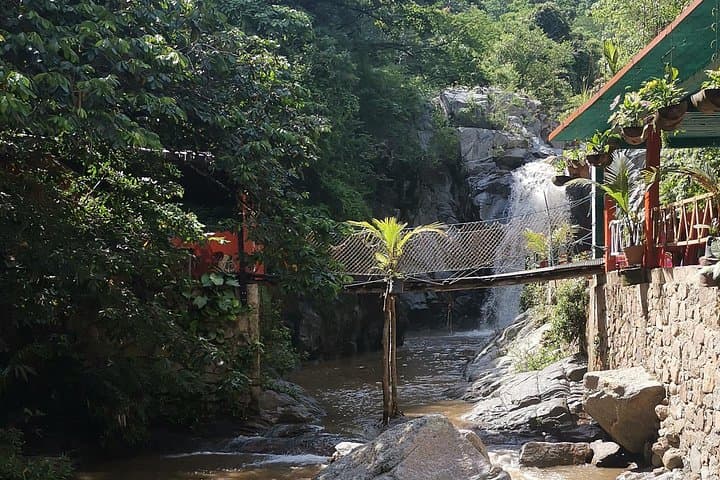
The morning smells of diesel and salt, and the city of Puerto Vallarta slinks into the rearview—miles of corrugated red roofs and palm shadows shrinking as the motor hums and the bay opens. By the time the boat rounds the first headland, the water has a different vocabulary: a bright, shimmery conversation of currents and light. Los Arcos appear like punctuation marks off the coast—two or three basalt ribs rising out of Banderas Bay—and the captain eases the boat alongside them so you can see the patterns carved by waves and time. A little later you trade the hull for a narrower skiff, hop off at a quiet cove and, depending on the season, follow a narrow jungle track that ends at a 33-foot waterfall that drops like a hinge in the mountains.
This is a day built for contrast: oligarchic splendor—Puerto Vallarta’s marinas and beach clubs—gives way to a small-scale coastal life defined by fishing, jungle trails, and tidal reefs. The Quimixto & Los Arcos Adventure Tour compresses the best of Banderas Bay into six hours: a boat trip across open water, snorkeling at the reefs off Los Arcos, a short nature hike (with horses available for rent if you prefer), and a seasonal waterfall that becomes the trip’s natural crescendo.
Geology and sea are collaborators here. The islets known collectively as Los Arcos are weathered volcanic rock—harder, darker spines that resist the tides. The surrounding reefs and shallows are a complex patchwork of coral, rock, and sand where schools of small fish and the occasional loggerhead and olive ridley turtle cruise. Inland, the coastal foothills are a tangle of tropical deciduous forest—trees that drop leaves in the dry season and erupt in bloom when the rains come, the same monsoon pulse that swells the waterfall to its full cinematic roar.
Culture moves at a different tempo. Quimixto is a small beach village that feels tethered to older rhythms: fishing skiffs hauled up on the sand, thatch palapas serving fresh ceviche and grilled fish, and villagers who will greet you with the practical hospitality of places where tourism is a supplement, not the lifeblood. Stop for a lime-squeezed drink and you’re supporting a local economy that prefers cash—hence the reminder to bring pesos for the horse rental or that extra cerveza.
Why go? The layout is simple but rare: in a single morning or afternoon you can snorkel vibrant reefs in a protected cove, hike a quick jungle trail, and end with a cooling dip beneath a waterfall—something that reads well on paper and, crucially, delivers in experience. The trip is family-friendly and scalable: non-walkers can swap the trail for a beachside hammock with a palapa, while more curious travelers can press harder into the jungle with a guided loop.
Practical specifics: the tour runs about six hours total. The water portions include near-shore boat travel across Banderas Bay (exposure to sun and spray), and snorkeling around Los Arcos where depths are typically shallow—perfect for confident swimmers and novices alike. The nature hike from the beach to the waterfall is about 1 km (~0.6 mi) each way with roughly 70–100 m (230–330 ft) of elevation gain; the trail is dirt with rooted steps and can be steep and slippery after rain. Horses are available for rent locally for those who want to skip the climb; confirm the price in cash at the meeting point.
Timing matters. Mornings bring calmer seas and clearer water for snorkeling; late afternoon softens the light for photography and often reduces crowds. The waterfall is most impressive in the rainy season (roughly June–October), but expect muddier trails then; the dry season (November–May) offers drier hikes and more reliable boat runs. Bring reef-safe sunscreen, a durable pair of water shoes for reef and beach landings, and a small dry bag for electronics.
Safety and stewardship are straightforward. The ocean here is generous but can surprise: wear a life vest while the boat is moving, heed local guides’ advice about currents, and never touch or stand on coral. Respect the village economy by carrying small bills for tipping and rentals, and consider packing snacks for kids or energy for a quick hike.
For photographers, Los Arcos reward wide-angle shots at sunrise or late afternoon, while the waterfall makes for dramatic mid-day frames when the canopy opens and light knifes down. Above all, leave room in your camera roll for candid moments—the fisherman mending nets, a child racing a wave, a ray ghosting just under the surface.
By the time you motor back toward Puerto Vallarta the city looks different—no less lively, but smaller in scale next to the day you’ve had. That’s the point: the Quimixto & Los Arcos Adventure Tour offers a compact immersion, an accessible way to thread together reef, rock, and jungle in a single day. It’s not a wilderness expedition, but it’s a reminder that coastal Mexico still contains slightly wild places where the sea insists on its own timetable. If you come prepared—hydrated, sun-smart, and curious—you’ll get the best of both worlds: crystalline snorkeling and a quiet waterfall that feels, briefly, like it belongs only to you.
Trail wisdom
Small choices, better day.
Go Early
Morning departures usually mean calmer seas and better visibility for snorkeling.
Bring Cash
Horse rentals and small village purchases are typically cash-only—bring pesos.
Wear Water Shoes
Rocky beach landings and reef snorkeling are much more comfortable and safer with sturdy water shoes.
Use Reef-Safe Sunscreen
Protect coral and marine life—apply before boarding and reapply as needed with biodegradable options.
Local knowledge
Read the place, not just the route.
Watch for native species including Green/Olive Ridley Turtles, Tropical reef fish such as sergeant majors and parrotfish.
Keep an eye out for wildlife during the transition between areas and habitats. Respect distance guidelines.
Los Arcos and surrounding reefs are ecologically sensitive—support operators who enforce no-touch rules for coral, use reef-safe products, and limit disturbance to nesting beaches.
Follow the guide's instructions on size limits, ethical handling, and leave-no-trace practices.
Boca de Tomatlán beach for a quieter launch point and local seafood palapas. The small tide pools around the base of Los Arcos at low tide—rich with juvenile fish and brittle stars
Locally recommended viewpoints and quiet spots known best to local operators.
Banderas Bay has long supported fishing communities; Puerto Vallarta’s southern coast blends indigenous and colonial histories with a modern tourism economy that took off in the 1960s.
Maritime roots and regional tradition shape the waterways and working coasts.
Seasonal guide
Four versions of the same landscape.
Spring
Best forDry trails · Calmer seas · Wildflower blooms
ChallengesIncreasing crowds · Warmer midday temperatures
Spring (March–May) is dry with pleasant mornings and clearer snorkeling; trails are generally firm and the waterfall may be reduced before the rainy season.
Summer
Best forLush jungle · Full waterfall · Warm water snorkeling
ChallengesHigher chance of rain storms · Slippery trails after downpours
Summer brings heavy rains that turn the waterfall into a showpiece but can make trails muddy; expect afternoon storms and humidity.
Fall
Best forFewer crowds · Warmer water · Birding during migration
ChallengesResidual wet trails · Variable boat conditions early in season
Fall can strike a balance between lush scenery and manageable weather; late fall reduces rain frequency as the season ends.
Winter
Best forCalm seas · Clear visibility · Comfortable hiking temps
ChallengesCooler mornings · Peak tourist season around holidays
Winter (dry season) offers the most reliable conditions for snorkeling and hiking—expect cooler mornings and ocean clarity at its best.
Operator details
What the booking data adds.
Included
- ✓Bottled water
- ✓Use of Snorkelling equipment
Not included
- —Lunch at restaurant
- —Gratuities
- —Towels
- —Restroom on board
- —Port entrance fee $41 pesos or $2.00 USD per person
Good to know
- ✓Service animals allowed
- ✓Public transportation options are available nearby
- ✓Travelers should have at least a moderate level of physical fitness
- ✓Port entrance fee $41 MXN pesos per person
Pack with intention
What to bring.
Good to know
Common questions.
The trail is roughly 1 km (0.6 mi) each way with about 70–100 m (230–330 ft) of elevation gain; expect a 20–40 minute walk depending on pace and stops.
Plan the edges
The details that make the day easier.
Los Arcos is a well-known marine area in Banderas Bay celebrated for snorkeling and biodiversity; the nearby reefs support nationally important marine life.
After the trip, head back to Puerto Vallarta’s Malecón for fresh ceviche or try a palapa in Boca de Tomatlán for grilled snapper and a cold beer—small coastal kitchens here serve the day’s catch simply and well.
- Closest airport
- Puerto Vallarta International (PVR) • Typical meeting point: Marina in Puerto Vallarta or Boca de Tomatlán • Driving: 20–40 minutes from downtown Puerto Vallarta to common launch points • Cell service: Good near Puerto Vallarta; intermittent near Quimixto • Permits: None required for day tours, but support licensed guides
Avoid single-use plastics, use reef-safe sunscreen, respect local wildlife and nesting beaches; book operators who practice responsible anchoring to protect coral.
Explore by topic
Follow the threads.
Keep exploring
Make the story part of the trip.
Set out from Bass Harbor for a private, customizable day on Blue Hill Bay — lighthouses, puffins, seals, and the chance to feel Acadia from the water. Small groups, local captains, unforgettable views.
In four hours you can move from shaded canyon ferns to wind-scoured coastal ridgelines, guided by someone who knows where the light—and the hidden views—live. This private half-day hike on the Monterey Peninsula or Big Sur is compact, curated, and perfect for travelers who want depth without a multiday commitment.
 Related story
Beneath a sky of shifting light, Skaftafell’s ice reads like a map of time. This three-hour guided glacier hike mixes technical instruction with geology and culture: compact, safe, and unforgettable.