
What the day feels like
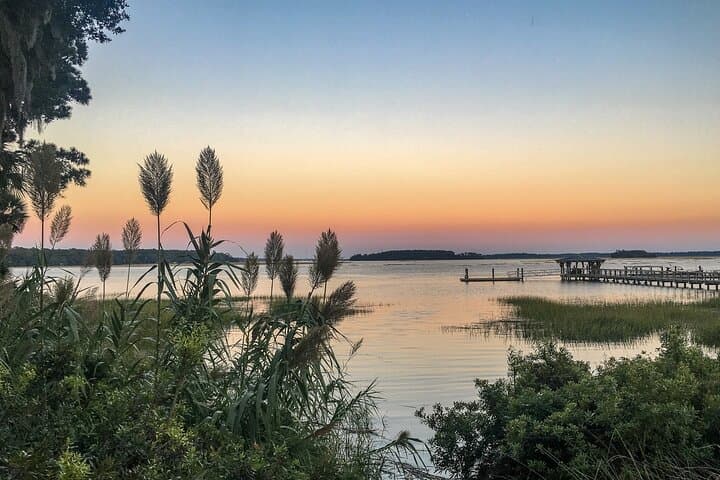
On a humid Lowcountry morning the live oaks lean into the street like old friends, draping Spanish moss like slow-motion curtains. You begin at a quiet corner in Old Town Bluffton where the air smells faintly of salt and frying oil, and your guide appears with a calm, familiar grin—part historian, part storyteller. For the next two hours the town does what it does best: it lets you walk into its past without shouting. The pace is human, the stories layered, and the May River keeps time at the edge of the map, always present, daring you to look up from cobblestones to the water's hush.
This private walking experience centers on the town’s living architecture and creative life: the wooden clapboard houses, the small galleries tucked into converted storefronts, and the iconic Church of the Cross standing guard near the waterfront. It’s an intimate way to read Bluffton’s DNA—cotton and commerce, Civil War scars, artisanal recovery—and feel how the town has stitched itself together, culturally and physically, since the 19th century. The tour’s privately guided format means you can linger at a gallery, ask local provenance questions at the Heyward House, or take that long photograph of the river light without worrying about the group’s schedule. For photographers, history buffs, or anyone who wants a careful introduction to a Southern town that prizes quiet charm over spectacle, this walk is a tidy, nourishing slice of the Lowcountry.
Bluffton's story is the story of place: a tidal landscape where sand and river met plantation economy. The Church of the Cross, built in 1857, is both a spiritual anchor and an architectural artifact; its steeple and graveyard map an era when the town was a cotton outpost with direct access to shipping lanes. During the Civil War the area endured occupation and fires, and those scars are threaded through the wooden facades and the town’s own accountings. The Heyward House Museum offers a window into 1840s domestic life—its rooms are calibrated for close, human-scale listening rather than museum spectacle.
Geologically, Bluffton sits on marshy estuarine soils where the land is still negotiating with the tides. Salt marshes and tidal creeks define local ecology, and the May River moves like a patient cartographer, reshaping mudflats and shoreline and insisting visitors notice the watery margins. The town’s art scene—galleries that favor ceramics, Lowcountry landscape paintings, and mixed-media work—feels like an aftershock of that landscape: artists responding to light, horizon, and an economy now focused on tourism and conservation.
You’ll want to treat this walk as both sensory and practical. Start early in spring or fall to avoid full sun; mid-morning light at the river is exceptional. Ask your guide about the specifics of the Heyward House and the stories of families that built the town’s classical porches. Take the detour down to the waterfront bluff to watch shrimp boats nosing through tidal channels and listen to the estuary’s soft language: gulls calling like punctuation, reeds swaying like metronomes. If you prefer to go deeper into local craft, instruct your guide to include a gallery stop; you’ll find ceramicists who fire with local clays and painters who chase Lowcountry fog.
Practicalities matter here: the tour covers roughly two miles of mostly flat, paved streets with a few short wooden boardwalks and sometimes soft sandy shoulders near the waterfront. Expect intermittent shade under live oaks, but bring sun protection. Comfortable shoes are non-negotiable; the walk is easy but you’ll appreciate grip and support for the inevitable step-offs to street-side galleries and historic grounds.
Because the tour is private and confirmed instantly, it’s ideal for travelers who want customization—photography time, family history questions, or a focus on art rather than architecture. The price reflects that privacy and local expertise, and the guide experience benefits from a local’s cadence and anecdotes you won’t find in guidebooks. To secure the experience, book in advance—spring and fall weekends fill quickly—and come ready to listen: this town rewards patient observation.
Beyond the walking route, make time for the town’s small pleasures. Taste Lowcountry cuisine at a neighborhood café, look for oyster roasts on a Saturday evening, and visit a gallery where the artist might describe capturing the May River’s early light. Keep an eye on conservation signage; Bluffton’s marshes are fragile and are actively managed by local groups.
If you want a short, layered encounter with the Lowcountry—history balanced with art and the steady choreography of a tidal river—this private Bluffton walking tour is a modest, resonant way to spend a morning. Book it to learn the town’s stories the way a local would tell them: slowly, with respect for the weather, the woodwork, and the people who stitched this place into being. For booking and more specifics on routes and customization options, see the private Bluffton walking tour here: <a href="https://app.advcollective.com/local-experts/private-bluffton-walking-tour-history-art-waterfront-stroll">Private Bluffton Walking Tour: History, Art & Waterfront Stroll</a>.
Trail wisdom
Small choices, better day.
Start Early or Late
Take the tour in the cooler morning or late afternoon light to avoid heat and catch the river glow.
Bring a Water Bottle
The walk covers ~2 miles with limited places to refill—carry a refillable bottle to stay hydrated.
Wear Comfortable Shoes
Streets are flat but uneven in places; supportive footwear makes exploring galleries and side streets easier.
Ask to Customize
It's a private tour—request more time at the Heyward House or extra photography stops on the waterfront.
Local knowledge
Read the place, not just the route.
Watch for native species including Ospreys nesting over the May River, Fiddler crabs and wading shorebirds in the marsh.
Keep an eye out for wildlife during the transition between areas and habitats. Respect distance guidelines.
Bluffton’s tidal marshes are ecologically sensitive—local organizations manage shoreline restoration and urge visitors to stay on paths and pack out trash.
Follow the guide's instructions on size limits, ethical handling, and leave-no-trace practices.
A small riverside bluff for quiet May River views. A tucked-away gallery showcasing local ceramicists
Locally recommended viewpoints and quiet spots known best to local operators.
Bluffton grew in the 1800s as a cotton and shipping hub; the Church of the Cross (built 1857) is one of the town’s most enduring historic landmarks.
Maritime roots and regional tradition shape the waterways and working coasts.
Seasonal guide
Four versions of the same landscape.
Spring
Best forWildflowers and live oak blooms · Mild temperatures for walking · Photogenic river light
ChallengesAfternoon pollen and occasional rain · Higher weekend visitor numbers
Spring is one of the best times to visit—temperatures are comfortable and the landscape is green, though pollen and occasional showers are common.
Summer
Best forLonger daylight hours · Evening shrimp roasts and festivals
ChallengesHot, humid conditions · Afternoon thunderstorms
Summer brings heat and humidity; plan early starts or evening activities and be prepared for sudden storms.
Fall
Best forCrisp, clear days · Cultural events and festivals · Great photography light
ChallengesPopular season—book early · Cooler nights near the river
Fall offers stable weather and excellent light for photos; weekends can be busy, so reserve private tours in advance.
Winter
Best forQuieter streets and off-season rates · Clear, crisp sunlight
ChallengesCooler mornings and potential wind on the waterfront · Some galleries may have reduced hours
Winters are mild but can be cool and breezy; it’s quieter, making it good for reflective walks and unobstructed photos.
Operator details
What the booking data adds.
Included
- ✓Professional local guide services
Not included
- —Transport
- —Food and Drinks
Good to know
- ✓Public transportation options are available nearby
- ✓Suitable for all physical fitness levels
Pack with intention
What to bring.
Good to know
Common questions.
The tour is approximately two miles over about two hours on mostly flat streets and short boardwalks.
Plan the edges
The details that make the day easier.
The Church of the Cross in Bluffton was completed in 1857 and is listed on the National Register of Historic Places.
After your walk, grab Lowcountry staples—shrimp and grits or a fresh oyster plate—at a neighborhood café, then browse local galleries for prints or pottery. For an evening drink, find a small tavern or waterfront patio where locals unwind to the river view.
- Closest airport
- Savannah
- Hilton Head International (SAV). Meeting point
- Bluffton Historic District (Calhoun
- Promenade area). Driving distance from Savannah
- ~35–45 minutes. Cell service: generally good in town, patchy near marshes. Permits: none required for the walk.
Bluffton’s marshes and tidal creeks are fragile—stay on established paths, avoid disturbing shoreline vegetation, and pack out all trash to support ongoing conservation efforts.
Explore by topic
Follow the threads.
Keep exploring
Make the story part of the trip.
Set out from Bass Harbor for a private, customizable day on Blue Hill Bay — lighthouses, puffins, seals, and the chance to feel Acadia from the water. Small groups, local captains, unforgettable views.
In four hours you can move from shaded canyon ferns to wind-scoured coastal ridgelines, guided by someone who knows where the light—and the hidden views—live. This private half-day hike on the Monterey Peninsula or Big Sur is compact, curated, and perfect for travelers who want depth without a multiday commitment.
 Related story
Beneath a sky of shifting light, Skaftafell’s ice reads like a map of time. This three-hour guided glacier hike mixes technical instruction with geology and culture: compact, safe, and unforgettable.