
What the day feels like
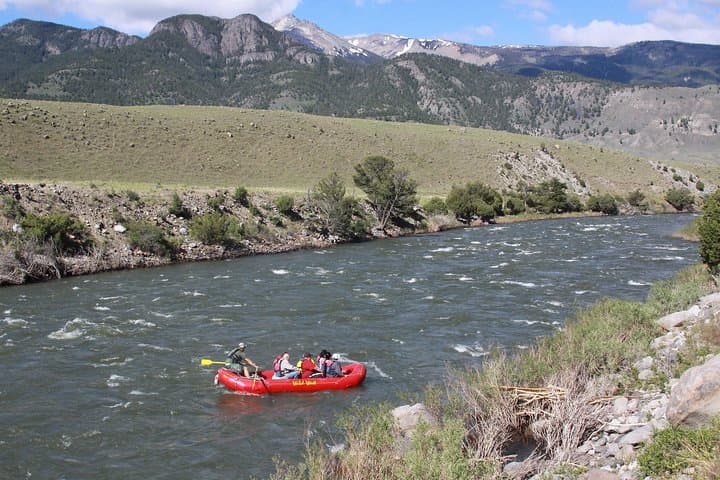
Early light strips the aspens silver and the river answers in a low, steady voice. You step into a wide inflatable at the Gardiner launch, the current tucking the boat away from shore like a practiced hand, and for the next two hours the world is reduced to moving water, scattered cottonwoods, and the high, endless Montana sky. This is not a whitewater charge. It’s a deliberate unraveling—a 6-mile, family-friendly glide that lets the Yellowstone River do the work and asks only that you notice.
There’s a clear democracy to a float like this: toddlers nap at the stern, grandmothers lean back in the bow, and a pair of college kids point out a distant spout of steam from the park’s volcanic plumbing. The trip is designed for people who want the river’s company without its temper—gentle currents, no rapids to negotiate, and wide banks that make wildlife sightings likely rather than surprising. The operation running the trip keeps it simple and safe, and reviewers (173 and climbing) give the experience a nearly five-star nod—an affirmation for anyone weighing a first-time river day against the demands of Yellowstone’s busier trailheads.
Geology and history are quiet characters here. The Yellowstone River has carved these valleys for millennia, carrying glacial flour and older volcanic ash into plains shaped by eruptions and ice. In the 19th century, trappers and early park visitors followed the water the way you do now—by exploring at its pace. In contrast to the tamed rivers of the Midwest, the Yellowstone remains largely free-flowing, which means the bends and bars you float past today look much like they did to earlier travelers.
Culture along the corridor is small-town Montana: ranches set back from the riparian fringe, seasonal outfitters, and a handful of river-conscious guides who know how to read the light for wildlife—elk and bighorn sheep in spring, osprey on the wing in summer. Your guides will point out both natural history and human history, describing how the river sustains life and how seasonal shifts still control access and safety for recreational users.
Practicality is the other current here. The float is two hours long, roughly six miles on flat water, and priced from about $95 per person. It’s suitable for kids, older adults, and anyone who wants a contemplative river day without technical skills. Bring a good pair of quick-drying shoes and a layered jacket; mornings on the Yellowstone can be cool even in July. Expect minimal elevation change—this is river travel, not mountaineering—and prepare for sun, reflected heat off the water, and the possibility of wind.
What makes this trip particularly travel-friendly is logistics: Gardiner is the gateway town. Bozeman Yellowstone International Airport is the nearest major air hub—about an hour and a half drive depending on weather—and Gardiner is small enough that a local market and a couple of restaurants handle last-minute food or forgotten sunscreen. The guides handle life vests, inflatables, and the boat-to-shore routine; you show up ready to float. The company’s online booking offers instant confirmation, free cancellation, and an almost impossibly low barrier to entry for visitors balancing park logistics and family schedules. For an easy booking experience, check this Gentle Yellowstone River float 6-mile scenic trip from Gardiner and lock in a seat.
Safety is straightforward but non-negotiable: listen to your guide, wear your life jacket when asked, and keep food sealed—bears and curious critters are part of the landscape. Respect the shoreline. The river banks are fragile habitats where willows and cottonwoods anchor nesting birds and newborn ungulates.
Best times to float are late spring through early fall, when flows are mellow and the weather is predictable. Spring brings high water and a rapid pace; summer is warm and wildlife-rich; fall paints the cottonwoods gold and keeps crowds lighter. Winter trips aren’t practical, of course, but off-season visitors can still admire the river from nearby hikes and scenic pullouts.
Photography-wise, the float delivers broad vistas and tight wildlife moments. Bring a small telephoto (200–300mm) if you want crisp shots of osprey or river otters, but keep a wide lens or phone at the ready for reflective river panoramas. Sunscreen, a microfiber towel, and a dry bag for electronics will keep you comfortable and protected.
Why do this float rather than a hike in the park? The river offers a different tempo. Trails demand ascent and attention; the Yellowstone asks you to sit with a current and watch the valley do its thing. For families and those who prefer moving slowly through a landscape, this trip is a clear, accessible way to sample Yellowstone country without the trailhead crowds.
If you go: plan for a morning or late-afternoon departure to avoid the midday heat; pack a camera, layered clothing, a reusable water bottle, and an attitude for watching rather than conquering. Book early in high season and check the company’s ratings and instant booking details—practicalities that let you focus on the simple measurement of a trip well spent: two hours, six miles, and the slow, remaking motion of water under a big Montana sky.
Trail wisdom
Small choices, better day.
Layer for Morning Chill
Morning launches can be cool—bring a lightweight insulated layer that packs small.
Footwear Matters
Wear grippy, quick-drying shoes or sandals to make boarding and disembarking safe and comfortable.
Sun Protection
Sunscreen, sunglasses, and a brimmed hat are essential—water reflects sunlight and intensifies exposure.
Protect Your Gear
Use a small dry bag for phones and a camera; a microfiber towel is handy for quick drying.
Local knowledge
Read the place, not just the route.
Watch for native species including Elk, Osprey.
Keep an eye out for wildlife during the transition between areas and habitats. Respect distance guidelines.
This stretch runs through largely public lands; minimize impact by using established launch sites, packing out trash, and avoiding shoreline disturbance.
Follow the guide's instructions on size limits, ethical handling, and leave-no-trace practices.
Early-morning river pulls near Gardiner for quiet wildlife sightings. Short riverside strolls by the launch for photogenic cottonwood groves
Locally recommended viewpoints and quiet spots known best to local operators.
The Yellowstone River corridor has long been a travel route for Indigenous peoples, trappers, and early park visitors; the river shaped settlement and access to the high country.
Maritime roots and regional tradition shape the waterways and working coasts.
Seasonal guide
Four versions of the same landscape.
Spring
Best forWildlife migration · High-water river dynamics · Fewer crowds
ChallengesCool mornings · Higher flows may change pace
Spring brings strong flows and active wildlife; expect chilly mornings and vibrant riverside life—ask guides about current conditions.
Summer
Best forWarm, stable weather · Birding and fishing views · Family outings
ChallengesStrong sun · Bigger visitor numbers
Summer is the sweet-spot for comfort and wildlife watching—book ahead and bring sun protection and plenty of water.
Fall
Best forFall color · Calmer crowds · Clear light for photography
ChallengesCooler afternoons · Shorter daylight
Fall paints the cottonwoods gold and cools the air—ideal for photography and quieter floats, but layer up for temperature swings.
Winter
Best forScenic river viewing from shore · Photography of snowy landscapes
ChallengesWater access limited · Cold conditions
Winter is not suitable for floats here; instead enjoy river views from nearby roads and prepared trails.
Operator details
What the booking data adds.
Included
- ✓Professional guide
- ✓Water shoes
Not included
- —Drinks
- —Gratuities
- —DVD (available to purchase)
- —Souvenir photos (available to purchase)
Good to know
- ✓Wheelchair accessible
- ✓Infants and small children can ride in a pram or stroller
- ✓Infants are required to sit on an adult’s lap
- ✓All areas and surfaces are wheelchair accessible
- ✓Suitable for all physical fitness levels
Pack with intention
What to bring.
Good to know
Common questions.
The guided float covers roughly 6 miles and takes about two hours on the water.
Plan the edges
The details that make the day easier.
The Yellowstone River is the longest free‑flowing river in the contiguous United States.
After the float, head into downtown Gardiner for casual riverside dining and a small-town atmosphere—look for locally sourced bison dishes, grab a beer at a nearby pub, and stop by the visitor center for seasonal recommendations.
- Closest airport
- Bozeman Yellowstone International (BZN) ~1.5–2 hours drive; Launch
- meeting point
- Gardiner river access; Driving distance from Gardiner center: generally under 15 minutes to launch; Cell service: generally available in town, patchy along river; Permits: none for this guided commercial float
This river remains largely free-flowing—pack out trash, avoid disturbing shoreline habitats, and use established access points to protect riparian vegetation.
Explore by topic
Follow the threads.
Keep exploring
Make the story part of the trip.
Set out from Bass Harbor for a private, customizable day on Blue Hill Bay — lighthouses, puffins, seals, and the chance to feel Acadia from the water. Small groups, local captains, unforgettable views.
In four hours you can move from shaded canyon ferns to wind-scoured coastal ridgelines, guided by someone who knows where the light—and the hidden views—live. This private half-day hike on the Monterey Peninsula or Big Sur is compact, curated, and perfect for travelers who want depth without a multiday commitment.
 Related story
Beneath a sky of shifting light, Skaftafell’s ice reads like a map of time. This three-hour guided glacier hike mixes technical instruction with geology and culture: compact, safe, and unforgettable.