
What the day feels like
The first thing you notice is sound: the rhythmic clack of iron shoes on packed earth, a steady heartbeat that sets the pace for the ridge. The carriage rocks gently as the team pulls away from the manor, and the forest opens like a curtain—ribbons of sun slanting between beech and oak, an old stone wall running parallel to the lane, and beyond that the Blue Ridge unspooling in blue and purple waves. For two hours you are carried through a landscape that earned its contours in deep time and its cultural lines over the last century, each turn offering a new perspective on the mountain you don't get from the Parkway's asphalt.
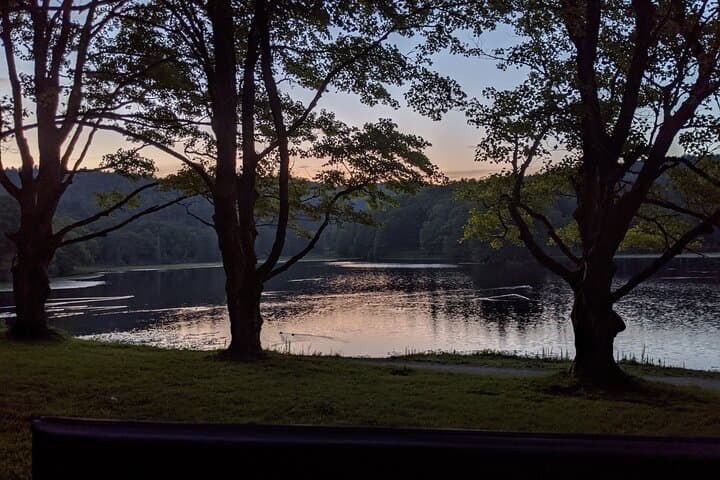
The ride through Moses H. Cone Memorial Park is an exercise in deceleration. It feels deliberate—horses pacing the route, a driver whose knowledge is part naturalist and part local historian, and a carriage that reclines you into the present. This is not a thrill-seeker's sprint; it's a way to absorb place. You'll pass Bass Lake's mirror surface and the manicured lawns of Flat Top Manor, then cross meadows and shaded carriage trails that were carved into the estate by Moses H. Cone in the early 1900s. The manor itself—an Arts-and-Crafts style house built at the height of Cone's textile fortune—keeps watch, its windows reflecting tree boughs and sky.
Geology and history meet here. The Blue Ridge is among the oldest mountain ranges in North America; its rounded ridges are the result of hundreds of millions of years of folding, uplift and erosion. The soil you tread is thin and acidic, the streams you glimpse have cut their channels across layered metamorphic rock. In the late 19th and early 20th centuries, the area became fashionable for wealthy Northerners seeking mountain retreats; Moses H. Cone purchased and developed the estate with carriage trails intended to showcase pastoral vistas and walkable lines of sight. After changing hands and purposes, the property was absorbed into the Blue Ridge Parkway and ultimately managed to preserve both natural habitat and historic structures.
Culturally, the ride sits at a crossroads between Appalachian tradition and early 20th-century leisure culture. You’ll hear about the Cone family's textile stores in the Piedmont, but also about local life—how mountain communities developed around small farms, logging lanes and later the tourism economy that still sustains towns like Blowing Rock and nearby Boone. Drivers will point out subtle things—the way the undergrowth changes where horses graze, a stand of hemlock threatened by pests, and seasonal markers like the first spring ephemerals or the crimson promise of October.
This experience is quietly accessible. The tour is two hours long, gentle on the legs and generous with viewpoints. Carriages travel on well-maintained carriage trails—uneven in places but not technical—so families, older travelers, and anyone who wants to experience the mountains without the strain of hiking can participate. The horses provide their own pace and personality; a competent driver keeps the rhythm safe and unhurried.
Practicalities matter here. Tours are typically 120 minutes and priced from about $125 per carriage (check current pricing when booking). It’s the sort of activity you book for a morning to leave the afternoon open for a museum, brewery, or a short hike. Bring layers: mountain weather is mercurial and two hours spent mostly seated will feel colder than you expect. A small daypack with water, a jacket, and a camera fits neatly under a seat.
Beyond the carriage, the park offers immediate extensions: Bass Lake is a short walk for quiet reflection; the carriage trails themselves invite short ambles if you want to stretch your legs; and Flat Top Manor often hosts arts and crafts exhibits when open. If the timing aligns with fall, the ride becomes a front-row seat to foliage that rakes the mountainside in oranges and reds.
For those planning, think conservation: this is National Park Service land—stay on trails, keep noise down, and follow the driver’s instructions about feeding or approaching the horses. Book ahead in peak seasons—especially October weekends—because slots are limited and the local tourism economy is robust. If accessibility is a concern, ask about carriage step height and safe boarding options when you book.
In short, the horse-and-carriage tour at Moses H. Cone feels intentionally old-fashioned but it’s practical, too: a comfortable way to know the Blue Ridge without summiting it. It’s for travelers who want to slow their trip down, listen to the mountains, and learn local stories from someone whose hands are on the reins. When you step off the carriage, the hill will still be there, but you’ll have seen it differently—sized less by altitude and more by detail, sound and the slow cadences of the land.
Trail wisdom
Small choices, better day.
Layer for Mountain Weather
Temperatures can swing quickly even in summer—bring a windproof layer you can remove while seated.
Hydrate Before You Go
Carriage rides are low exertion but two hours exposed to sun and altitude means bring water.
Protect Your Camera
Use a strap and keep lenses covered—dust and horse hair are real hazards for gear.
Ask About Accessibility
If mobility is limited, call ahead to confirm carriage step height and boarding assistance.
Local knowledge
Read the place, not just the route.
Watch for native species including White-tailed deer, Wild turkey.
Keep an eye out for wildlife during the transition between areas and habitats. Respect distance guidelines.
The park is managed to balance historic landscape preservation with habitat protection—stay on designated trails and avoid disturbing plant and animal life.
Follow the guide's instructions on size limits, ethical handling, and leave-no-trace practices.
Bass Lake—small reflective lake with quiet shoreline for short walks. Less-frequented carriage trails on the estate's north side that open to peaceful meadows
Locally recommended viewpoints and quiet spots known best to local operators.
Flat Top Manor was built by Moses H. Cone in the early 1900s as a mountain retreat; the estate's carriage trails were designed to showcase pastoral mountain vistas.
Maritime roots and regional tradition shape the waterways and working coasts.
Seasonal guide
Four versions of the same landscape.
Spring
Best forWildflower viewing · Cool, quiet rides
ChallengesMud on trails · Unpredictable rain
Spring brings fresh greens and ephemeral blooms; trails can be muddy after rains—wear waterproof footwear.
Summer
Best forLonger daylight · Family outings
ChallengesAfternoon storms · Warm midday temps
Summers are lush and lively; ride in the morning when temperatures are cooler and storms are less likely.
Fall
Best forFoliage viewing · Crisp air and panoramas
ChallengesPeak-season crowds · Cool mornings
Fall is peak season for color—book early for weekend slots and bring warm layers for chilly starts.
Winter
Best forSnow-dusted scenes · Quiet trails
ChallengesColder temps · Possible cancellations due to weather
Winter rides are atmospheric but weather can close services; confirm bookings and dress for cold.
Operator details
What the booking data adds.
Included
- ✓Private transportation
Good to know
- ✓Public transportation options are available nearby
- ✓Infants are required to sit on an adult’s lap
- ✓Not recommended for travelers with spinal injuries
- ✓Suitable for all physical fitness levels
Pack with intention
What to bring.
Good to know
Common questions.
The tour runs approximately two hours (120 minutes).
Plan the edges
The details that make the day easier.
Flat Top Manor at Moses H. Cone Memorial Park was completed in the early 1900s and the estate is part of the Blue Ridge Parkway landscape managed by the National Park Service.
After the ride, head into downtown Blowing Rock for Appalachian-inspired fare, cafés and local bakeries; look for craft beer and small-plate pubs in nearby towns for a relaxed post-ride meal and conversation.
- Closest airport
- Charlotte Douglas International (about 1.5–2 hours drive); Nearest town: Blowing Rock (minutes from the park); Driving from Boone: ~20–30 minutes; Cell service: variable on carriage trails—depend on major carriers; Permits: No special permit for the carriage tour, but park etiquette and NPS rules apply.
This estate is managed to protect both cultural landscapes and wildlife—pack out any trash, avoid feeding horses, and stay on carriage trails to minimize erosion and habitat disturbance.
Explore by topic
Follow the threads.
Keep exploring
Make the story part of the trip.
 Related story
Less than two hours from Nairobi, Kereita Forest pairs hands-on canopy adventure with quiet montane trails and a sobering colonial history—perfect for families, teams, and curious travelers seeking a full-day pulse of nature.
Set out from Bass Harbor for a private, customizable day on Blue Hill Bay — lighthouses, puffins, seals, and the chance to feel Acadia from the water. Small groups, local captains, unforgettable views.
In four hours you can move from shaded canyon ferns to wind-scoured coastal ridgelines, guided by someone who knows where the light—and the hidden views—live. This private half-day hike on the Monterey Peninsula or Big Sur is compact, curated, and perfect for travelers who want depth without a multiday commitment.