
What the day feels like
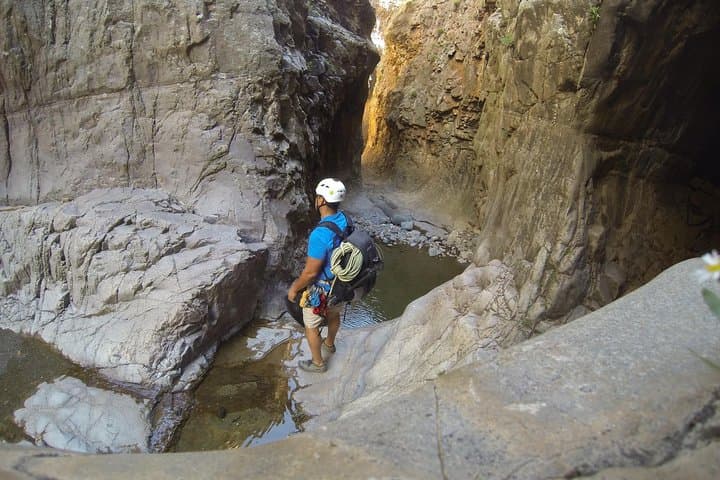
The sun is low and the canyon is louder than you expect—water clapping against stone, voices reduced to puffs as you shuffle into a shaded pocket. A rope hums through a harness, then for a moment the cliff is just you and gravity. You step back, lean in, and the world of the rim drops away: a clear pool waits, a natural slide snakes into it, and the desert air smells faintly of creosote and summer quartz. This is canyoneering near Phoenix—the kind of day trip that stitches scrambling, repelling, swimming and unplanned laughs into the same afternoon.
Canyoneering in central Arizona reads like a compact anthology of the region’s geology and cultural history. The canyons you enter are carved from volcanic tuff and fractured basalt, drained by ephemeral streams that, over millennia, have cut narrow slots and sculpted plunging chutes. The Sonoran Desert around Phoenix is young by geological standards but volatile in its own way—flash floods that rearrange a canyon’s floor in an hour, and rockfall that keeps guides watching the sky. Indigenous peoples, including the Hohokam, lived off these arroyos for centuries; petroglyphs and seasonal foraging routes still mark the surrounding hills if you know where to look.
A guided day trip like this packs a lot in a single eight-hour canvas. Expect a sequence of short approaches, short rappels into water-filled bowls, and a few slick natural slides that feel engineered for laughter more than spectacle. That combination—ropework and water—makes this a hybrid adventure: the skills of climbers (locking off a rappel, managing a belay) meet the instincts of river people (sizing up currents, trusting footwear). For travelers coming from Phoenix or nearby Scottsdale, it’s an immediate contrast to urban sprawl; for visitors from farther away, it’s a primer on the Sonoran’s extremes.
Why go with a guide? Safety is the practical answer. Guides read the canyon’s microclimates—where a thunderstorm upriver can turn calm pools into boulder-churning rapids—and they bring the technical gear and route knowledge necessary to move quickly and confidently. And because this tour is a private, small-group outing with instant confirmation, it’s ideal for mixed-experience groups: families with older teens, outdoorsy friends, or people looking to notch a more technical desert day without building rope skills from scratch.
If you’re planning this trip, here are the realities: the day is long (around eight hours door-to-door), physically engaging, and requires a willingness to get wet and to repeat short bursts of exertion. Terrain ranges from sandy approaches and rocky scrambles to slick, algae-glazed rock above pools. While many operators quote specifics on rope lengths and maximum rappel heights, route choices change with season and water level—expect variety rather than a fixed distance or elevation profile.
Practical prep does not require climbing mastery, but it does reward common sense. Train with single-leg step-ups, loaded lunges and a few hikes with a 15–20 lb pack so your knees and calves adapt to uneven terrain. Wear shoes you can swim in that retain grip when damp; modern approach shoes or heavyweight trail sneakers work best. Bring quick-drain clothing, a small dry bag for a phone and warm layers for the final descent—the desert cools fast when evening sets.
The aesthetic payoff is immediate: plunging into a green-blue pool beneath a narrow slot, sliding down a polished chute with a whoop, and the stillness of shady alcoves where the canyon seems to hold its breath. Guides often pause for a simple lunch on flat boulders, and there’s a particular satisfaction to rinsing desert dust away in canyon water after hours of scrambling.
Logistics are simple but important. The meeting point is typically on the outskirts of Phoenix or Scottsdale, with drive times varying by canyon—guided tours usually handle access permits and private land permissions. Most canyoneering seasons cluster in spring and fall when temperatures are comfortable and water levels are forgiving. Summer can be brutally hot, and winter brings cold water and shorter daylight.
For local color after you dry off, Scottsdale’s Old Town has restaurants, breweries and tacos that feel particularly earned after a day of desert immersion. And if you want to extend the trip, local preserves like Tom’s Thumb or the McDowell Sonoran trails provide a calmer counterpart to the adrenaline of a slot canyon.
If you’re ready to trade pavement for harness and polished rock, search for a guided option with strong safety reviews and clear group size limits. For a deeper look at what a fully supported trip looks like and to book one of the region’s most popular outings, check out this <a href="https://app.advcollective.com/local-experts/ultimate-canyoneering-adventure-near-phoenix-rappels-pools-natural-slides">Ultimate Canyoneering Adventure near Phoenix</a>, which frames rappels into pools and natural slides in a single, accessible day. Whether you come for the ropework, the swims, or the stripped-down desert scenery, a guided canyoneering day near Phoenix is the kind of trip that leaves you wetter, quieter, and a little more attuned to the desert’s sudden beauties.
Trail wisdom
Small choices, better day.
Bring quick-drain footwear
Choose approach shoes or heavy trail sneakers with good wet traction—you'll be in and out of pools and walking on slick rock.
Hydrate before you go
Desert humidity is low; start with 1–2 liters and bring a small refillable bottle—guides usually carry extra water.
Layer for temperature swings
Morning and late-afternoon desert temps vary—pack a lightweight insulating layer that fits in a dry bag.
Trust your guide on anchors
Anchors and rappel techniques are route-specific—ask questions but don't improvise knotwork on a technical descent.
Local knowledge
Read the place, not just the route.
Watch for native species including Desert Bighorn Sheep, Greater Roadrunner.
Keep an eye out for wildlife during the transition between areas and habitats. Respect distance guidelines.
Canyons are sensitive—stick to established approaches, pack out waste, and avoid applying sunscreen directly before swimming to protect aquatic systems.
Follow the guide's instructions on size limits, ethical handling, and leave-no-trace practices.
Tom's Thumb for panoramic ridge hiking near Scottsdale. McDowell Sonoran Preserve trails for quiet, post‑canyon strolls
Locally recommended viewpoints and quiet spots known best to local operators.
This landscape was seasonally used by the Hohokam people; canyon water sources shaped prehistoric travel and foraging routes.
Maritime roots and regional tradition shape the waterways and working coasts.
Seasonal guide
Four versions of the same landscape.
Spring
Best forComfortable temps · Fuller canyon pools · Wildflowers
ChallengesVariable storms · Occasional flash floods
Spring is ideal for canyoneering—days are warm, pools are replenished from winter rains, and trails are fragrant with desert blooms.
Summer
Best forWarm water play · Long daylight hours
ChallengesExtreme heat · High flash-flood risk during monsoon season
Summer brings hot days and monsoon storms—expect brief high water events and plan for early starts and extra hydration.
Fall
Best forCooler temperatures · Stable weather · Lower crowds
ChallengesColder water early/late in season
Fall is a strong second-best season: temperatures drop, weather stabilizes, and water levels are commonly manageable for day trips.
Winter
Best forClear blue skies · Lower crowds
ChallengesCold water · Shorter daylight
Winters are dry and bright but the water is cold; bring thermal layers and limit time in pools to avoid hypothermia risk.
Operator details
What the booking data adds.
Included
- ✓Bottled water
- ✓All taxes, fees and handling charges
- ✓Snacks
- ✓Lunch
Not included
- —Gratuities
Good to know
- ✓Not recommended for pregnant travelers
- ✓Not recommended for travelers with spinal injuries
- ✓Service animals allowed
- ✓Travelers should have at least a moderate level of physical fitness
- ✓Minimum age is 10 years
Pack with intention
What to bring.
Good to know
Common questions.
No—most guided canyoneering trips teach necessary rope techniques; however, comfort with exposure and basic fitness are required.
Plan the edges
The details that make the day easier.
The Sonoran Desert—home to the saguaro cactus—is one of the most biodiverse deserts in North America, supporting species found nowhere else on earth.
After the canyon, head to Old Town Scottsdale for Sonoran-style Mexican food and local brews—try a mesquite-grilled dish or a craft IPA at a neighborhood taproom to wind down.
- Closest airport
- Phoenix Sky Harbor (PHX); Driving distance: 30–75 minutes from Scottsdale depending on canyon; Cell service: variable in canyons—expect limited signal; Permits: usually handled by guided operators (confirm with provider).
These canyons are fragile—pack out all trash, avoid trampling cryptobiotic soils, and use biodegradable sunscreen to protect aquatic life.
Explore by topic
Follow the threads.
Keep exploring
Make the story part of the trip.
Set out from Bass Harbor for a private, customizable day on Blue Hill Bay — lighthouses, puffins, seals, and the chance to feel Acadia from the water. Small groups, local captains, unforgettable views.
In four hours you can move from shaded canyon ferns to wind-scoured coastal ridgelines, guided by someone who knows where the light—and the hidden views—live. This private half-day hike on the Monterey Peninsula or Big Sur is compact, curated, and perfect for travelers who want depth without a multiday commitment.
 Related story
Beneath a sky of shifting light, Skaftafell’s ice reads like a map of time. This three-hour guided glacier hike mixes technical instruction with geology and culture: compact, safe, and unforgettable.