
What the day feels like
They call the Nile a slow highway—and arriving in Cairo, you feel it before you see it: a green ribbon threading a sunburnt landscape, pushing life forward where everything else seems parched. On this nine-day loop from the capital to Aswan, the river is less a backdrop than a character, a patient presence that carries ancient stones, modern barges, and the conversations of people who still measure time by the flood. You sleep on rails one night, and under a low ceiling of stars on a felucca the next. Along the way, temples lean in to tell the same story again: kings, gods, red granite hauled from quarries, and a river that dared civilization to stay.
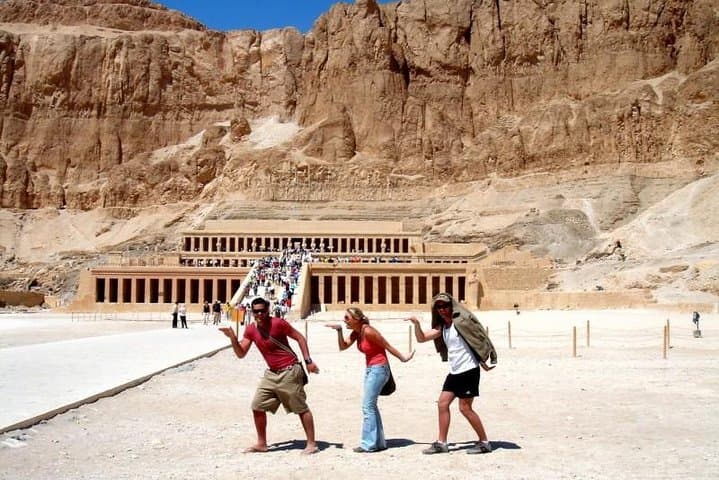
The trip starts in Cairo—a city of layered histories, where the hum of traffic gives way quickly to the stillness around Giza’s pyramids. Here the scale of human ambition first hits you: stones the size of cars piled into monuments older than most writing systems. Boarding the sleeper train south, the landscape thins to flat fields and irrigation canals; the Nile’s green strip is the only lushness for miles. Luxor and Karnak arrive like open-air museums—hypostyle halls where columns loom like petrified forests and the Valley of the Kings hides flat, painted tombs carved below the sand. By the time you reach Aswan, the river feels intimate—its islands threaded with palm groves, fishermen casting nets, and Nubian villages painted in blocks of ochre and blue.
Geology and human engineering entwine here. The granite that buttresses Aswan’s quarries formed in the Precambrian, and later pharaohs dragged it as far as their barges could float. Modern engineering reshaped the Nile’s behavior: the Aswan High Dam made Lake Nasser and tamed the seasonal flood that had defined agricultural life for millennia. That intervention preserved cities and created new tensions—sediment no longer fertilizes fields downstream, and archaeological sites required relocation to protect them from the rising water. The boat-borne museum at Philae is a conscious compromise between progress and preservation.
Culture on this itinerary is layered and immediate. In Cairo you’ll encounter the clatter of markets where spices fog the air and tea is an offering; in Luxor, the script of ancient rituals is carved into temple walls; in Aswan, Nubian hospitality makes the river community feel personal, with homes painted bright and invitations to shared meals. Local guides translate more than language: they explain ritual orientation, tell you why a temple faces a river bend, or which pharaoh insulted his predecessor in subtle relief. Expect moments of quiet wonder—sunset over a temple, a felucca’s sail filling like a giant white lung—and moments of practical reality: crowds, bargaining, and the heat.
Practical edge: this trip is a study in contrasts—comfortable accommodations in city hotels, a sleeper train that saves travel time but comes with compact berths, and several hours spent walking uneven temple grounds. Distances are long but not mountainous; expect flat terrain, lots of stairs inside temples, and short hikes around archaeological sites. Heat is the real variable—plan your touring for dawn and late afternoon when the colors are best and the stone is kinder on the feet.
Why go? The Nile route compresses Egypt’s sweep into a manageable nine days—pyramids, royal tombs, colossal temples, and a living river culture. It’s immersive without being grueling: you’ll experience rail travel in a way that feels cinematic, overnight on boats that move you gently downstream, and meet communities that still make the river their spine. The trip is especially appealing for travelers who want a culturally rich itinerary with varied travel modes—train, boat, and walking—without the logistics of independent planning.
How to prepare: hydrate early and often, wear sun protection and a lightweight scarf for temple sanctity, and bring comfortable slip-on shoes for security checks and temple thresholds. Expect crowded sites; hiring a certified guide in Luxor and Aswan elevates your experience and speeds entry queues. Carry small local currency for tips (baksheesh) and market finds; bring a compact flashlight for darker tomb corridors. Finally, be pragmatic about swimming—the Nile’s currents and water quality make it generally inadvisable to swim in most stretches visited on organized tours.
For photographers, first light on Karnak and golden-hour shadows at Philae are the most rewarding windows; for food lovers, the markets of Cairo offer a crash course in Egyptian street food—koshari, ful, and freshly baked flatbreads. For anyone curious about wider history, this tour is a hands-on primer in how civilizations manage water, power, and monumentality.
This is a trip that rewards curiosity: ask your guide about the little things—the inscriptions that date a repair job centuries later, the names of crops still irrigated by ancient canals, the way Nubian homes orient toward the Nile. Come ready to walk, to listen, and to let the river temper your sense of time. You’ll leave with photographs and postcards, but also with an unexpected, steadying sense of scale—of how water carved a civilization and continues to sustain one.
Length, cost, and booking: nine days, including transfers, the sleeper train, river passages, and guided visits; price-from approximately USD 1,028. Expect a mix of hotel nights, an overnight train berth, and boat segments on the Nile. The itinerary is unstructured in parts, so ask which visits are included and what upgrades—like private guide time or an Abu Simbel excursion—are offered. For travelers wanting a balance of history, culture, and gentle travel variety, this Nile adventure is a compact, efficient way to experience Egypt’s most essential chapters.
Trail wisdom
Small choices, better day.
Time your temple visits
Visit Karnak and Luxor at first light or late afternoon to avoid crowds and the mid-day heat.
Carry small bills
Have small-denomination Egyptian pounds for tips, bathrooms, and market purchases—credit cards are not accepted everywhere.
Light layers for the train
Sleeper trains cool down at night—bring a light fleece and earplugs for a comfortable berth.
Respect temple etiquette
Wear modest clothing, remove hats in sanctuaries, and avoid touching ancient reliefs to protect fragile surfaces.
Local knowledge
Read the place, not just the route.
Watch for native species including Sacred ibis and herons along riverbanks, Nile monitor lizards basking on rocks.
Keep an eye out for wildlife during the transition between areas and habitats. Respect distance guidelines.
Rising tourism and modern development pressure archaeological sites and river ecosystems; choose operators that minimize waste and support local communities.
Follow the guide's instructions on size limits, ethical handling, and leave-no-trace practices.
Dendera Temple (near Qena) for less-crowded reliefs and intact ceiling art. Nubian villages on Elephantine Island for authentic home visits and colored houses
Locally recommended viewpoints and quiet spots known best to local operators.
The Nile’s annual flood sustained Egyptian agriculture for millennia—its rhythms shaped pharaonic calendars, religious rituals, and monumental building.
Maritime roots and regional tradition shape the waterways and working coasts.
Seasonal guide
Four versions of the same landscape.
Spring
Best forWildflowers along riverbanks · Milder daytime temperatures
ChallengesWind storms (khamsin) possible · Pollen can affect allergies
Spring offers comfortable touring temperatures but occasional dry winds that kick up dust—pack a scarf and goggles if you’re sensitive.
Summer
Best forLong daylight hours · Fewer international crowds
ChallengesHigh heat 100°F+ (38°C+) · Midday touring is exhausting
Summer is very hot—plan heavy sightseeing for early morning and evenings and skip strenuous midday activity.
Fall
Best forPleasant daytime temperatures · Great photographic light
ChallengesEarly-season crowds around holidays · Some sites busier after summer
Fall (October–November) is ideal: warm days, cool nights, and comfortable touring conditions across sites.
Winter
Best forCool nights (good for sleeping) · Excellent visibility for photography
ChallengesCooler evenings require layers · Peak season means higher prices
Winter brings crisp air and excellent viewing—pack a warm layer for nights on the train and shaded temple walks.
Pack with intention
What to bring.
Good to know
Common questions.
Sleeper trains provide compact berths that are comfortable enough for overnight transit; bring earplugs and a light layer for cooler nights.
Plan the edges
The details that make the day easier.
The Nile is widely cited as the world’s longest river at about 6,650 km (4,130 miles), a lifeline that enabled ancient Egypt to flourish.
In Cairo, head to Khan el-Khalili for Egyptian coffee and koshari; in Luxor try local riverbank cafes for mahshi (stuffed veg); in Aswan, sample Nubian stews and catch a sunset on a felucca followed by mint tea.
- Closest airport
- Cairo International Airport (CAI). Typical train: overnight sleeper to Aswan ~12–14 hours. Driving distance: Cairo to Giza pyramids ~30 km. Cell service: reliable in cities, intermittent on some Nile stretches. Permits: Egyptian entry visa required for most nationalities; confirm with operator.
The Nile corridor is ecologically and culturally sensitive—pack out waste, avoid buying or handling antiquities, and choose operators committed to responsible waste disposal and community benefits.
Explore by topic
Follow the threads.
Keep exploring
Make the story part of the trip.
Set out from Bass Harbor for a private, customizable day on Blue Hill Bay — lighthouses, puffins, seals, and the chance to feel Acadia from the water. Small groups, local captains, unforgettable views.
In four hours you can move from shaded canyon ferns to wind-scoured coastal ridgelines, guided by someone who knows where the light—and the hidden views—live. This private half-day hike on the Monterey Peninsula or Big Sur is compact, curated, and perfect for travelers who want depth without a multiday commitment.
 Related story
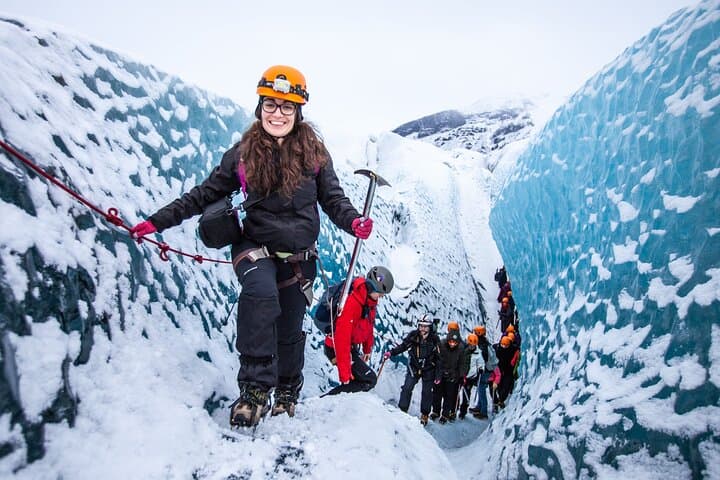
Beneath a sky of shifting light, Skaftafell’s ice reads like a map of time. This three-hour guided glacier hike mixes technical instruction with geology and culture: compact, safe, and unforgettable.