
What the day feels like
Morning settles soft and gold over Albuquerque when you step into the quiet lobby of Hotel Chaco, that modern homage to ancestral architecture. The glass doors breathe you into the day, and the city hum fades as soon as you settle into the vehicle. Westbound, the desert unfurls—piñon and juniper crouch low, the horizon a long-held breath, Mount Taylor rising like a watchful elder. The road carries you toward Acoma, and the land itself seems to usher the story forward.
By the time the vehicle rolls into the Acoma Pueblo Visitor Center, the sun is higher, the shadows sharper, and your sense of scale different. You meet the interpretive guide, whose voice threads the present to the past as the shuttle climbs to Sky City, the storied village resting atop a sandstone mesa. The mesa itself has presence—its weathered walls seem to breathe, its edges firm with memory. A light wind speaks along the rim, and the village stones answer with warmth.
Acoma is often called one of the oldest continuously inhabited communities in North America, occupied for centuries before Spanish arrival in the 16th century. Sky City sits roughly 360 feet above the valley floor. From up here, the desert is an ocean of ocher and sage that dares you to define time. Narrow, sandy footpaths wind between stacked-adobe homes and outdoor ovens. On some doorsteps, artisans set out pottery burnished to a quiet glow, the kind you can feel in your palm long after you leave. The day’s camera fee is included in the tour, but cameras still feel like guests—welcome in designated spaces, never intrusive. Your guide will keep you oriented: where photos honor tradition, where the lens should rest.
The mission church of San Esteban del Rey anchors the skyline with its 17th-century heft. Its thick adobe walls hold centuries of prayer, labor, and survival. The floor is cool and the light is gentle. Outside, a raven arcs the thermals. The mesa air pushes forward, and you move with it, stepping down stone stairs worn by generations. Even for casual walkers, footing matters here: closed-toe shoes, a small daypack, plenty of water. At this elevation—over 6,000 feet—the dry air asks for a steady sip.
Back at the Visitor Center, the Haak'u Museum adds context to everything you just saw. Curated exhibits fold the centuries into reach: pottery patterns that carry family stories, photographs that feel like time capsules, maps that make sense of this volcanic and sandstone mosaic. Across the gallery, a display on water and resilience reminds you that survival here has never been accidental.
Lunch—prepared by Hotel Chaco—feels earned. Fresh ingredients, bright flavors, and a quiet moment to sit with what you have learned. The return route snakes through Acomita, a scenic drive where the land narrows its focus. Buttes interrupt the plain. The sky pours itself into every window. You’ll be back in Albuquerque by midafternoon, traffic willing, a full circle from urban calm to ancient mesa and back.
This is a day of walking with respect. You are visiting a sovereign nation, and the tour is designed to minimize impact while maximizing understanding. The sun has authority out here; the wind has opinions; the stone holds its own counsel. In exchange for your attention and care, the place reveals itself, piece by piece.
Expect an easy to moderate effort physically: about 1 to 1.5 miles of walking over uneven surfaces and a few stairs. Expect deeper effort mentally: the kind that comes with standing in the presence of history still alive.
If you want a guided entry point—transportation handled, permits included, cultural etiquette explained—the Acoma Pueblo Day Tour offers a streamlined, respectful way in. You can learn more or plan your visit with our local experts via the Acoma Pueblo Day Tour page at <a href="https://app.advcollective.com/local-experts/acoma-pueblo-day-tour">this link</a>. For travelers curious about Southwestern Indigenous heritage, it’s a day that connects dots a map alone can’t.
Practical edges matter here. Wear a brimmed hat, sunglasses, and sunscreen: the high desert sun does not negotiate. Layer up; weather shifts quickly. Hydrate before you feel thirsty. Pack cash or a card if you hope to purchase crafts, and ask before photographing people or private spaces. In summer, monsoon clouds can build fast—thunderheads roll in with a kind of pageantry, and brief afternoon showers sweep the mesa. Autumn typically distills the desert into its clearest light, a photographer’s understated dream. Whenever you come, bring curiosity.
It’s worth repeating: this is not a theme-park set. Acoma’s community lives with ceremony and routine that the day’s visitors never see—and shouldn’t. That’s a good thing. Your guide acts as a bridge, and your pace becomes part of the place. If that exchange of respect resonates, consider booking through our vetted local partners; details and dates can be found at the <a href="https://app.advcollective.com/local-experts/acoma-pueblo-day-tour">Acoma Pueblo Day Tour</a> portal. The desert will do the rest.
Trail wisdom
Small choices, better day.
Respect photo protocols
Photography is allowed in designated areas with the included camera fee; always ask before photographing people and heed your guide’s instructions.
Sun is a constant companion
Wear a wide-brim hat, sunglasses, and sunscreen; there is little shade on the mesa and high-elevation UV is intense.
Footing matters
Closed-toe walking shoes with good tread help on uneven stone steps and sandy paths around the pueblo.
Hydrate early and often
Carry at least one liter of water and sip regularly; the dry air at over 6,000 feet dehydrates faster than you think.
Local knowledge
Read the place, not just the route.
Watch for native species including Red-tailed hawk, Cliff swallow.
Keep an eye out for wildlife during the transition between areas and habitats. Respect distance guidelines.
Acoma is a sovereign nation. Stay on designated paths, do not remove artifacts or pottery shards, and support local artisans to help sustain cultural traditions.
Follow the guide's instructions on size limits, ethical handling, and leave-no-trace practices.
San Esteban del Rey Mission, a National Historic Landmark with 17th-century adobe architecture. South-rim overlook for sweeping views toward Mount Taylor on clear days
Locally recommended viewpoints and quiet spots known best to local operators.
Acoma Pueblo, a Keres-speaking community, has inhabited this region for centuries; the mission church of San Esteban del Rey was begun in 1629 under Spanish rule.
Maritime roots and regional tradition shape the waterways and working coasts.
Seasonal guide
Four versions of the same landscape.
Spring
Best forCooler temps · Crisp morning light
ChallengesGusty winds · Allergy season
Expect cool mornings and breezy afternoons. Layers and eye protection help with wind and dust.
Summer
Best forVivid skies · Long daylight hours
ChallengesHigh UV · Afternoon monsoon storms
Start early to beat the heat; carry extra water and a light rain shell for sudden showers.
Fall
Best forStable weather · Clear air and soft light
ChallengesCooler mornings · Occasional early storms
Often the most comfortable season on the mesa, with pleasant temps and excellent visibility.
Winter
Best forQuiet visits · Low-angle light for photography
ChallengesCold winds · Possible icy patches
Bundle up—temperatures can be brisk and wind cuts across the mesa; traction helps if conditions are slick.
Pack with intention
What to bring.
Good to know
Common questions.
Plan for roughly 1–1.5 miles of walking over uneven stone and sandy paths, plus a few stair sections while touring Sky City.
Plan the edges
The details that make the day easier.
Acoma Pueblo’s Sky City is recognized as one of the oldest continuously inhabited communities in North America, perched atop a sandstone mesa approximately 360 feet above the surrounding plain, with the 17th-century San Esteban del Rey Mission designated a National Historic Landmark.
Back in Albuquerque, walk to Sawmill Market for a casual post-tour bite—green chile stew, stacked enchiladas, or a sopapilla with honey. For a deeper cultural lens, visit the nearby Indian Pueblo Cultural Center to connect the day’s experience with broader Pueblo history. Cap it with a locally brewed pint or a margarita on Hotel Chaco’s rooftop, watching the Sandias blush at sunset.
- Closest airport
- Albuquerque International Sunport (ABQ). Meeting point: Hotel Chaco, 2000 Bellamah Ave NW, in Old Town
- Sawmill. Drive time to Acoma Visitor Center
- about 1–1.5 hours each way. Cell service: reliable in Albuquerque, spotty to limited around Acoma. Permits: Acoma entry and camera fee included in the tour; follow all photography and access rules.
Travel lightly on sacred ground: pack out all trash, stay on established paths, do not touch or remove cultural items, and consider buying directly from local artisans to support the community’s living traditions.
Explore by topic
Follow the threads.
Keep exploring
Make the story part of the trip.
In four hours you can move from shaded canyon ferns to wind-scoured coastal ridgelines, guided by someone who knows where the light—and the hidden views—live. This private half-day hike on the Monterey Peninsula or Big Sur is compact, curated, and perfect for travelers who want depth without a multiday commitment.
 Related story
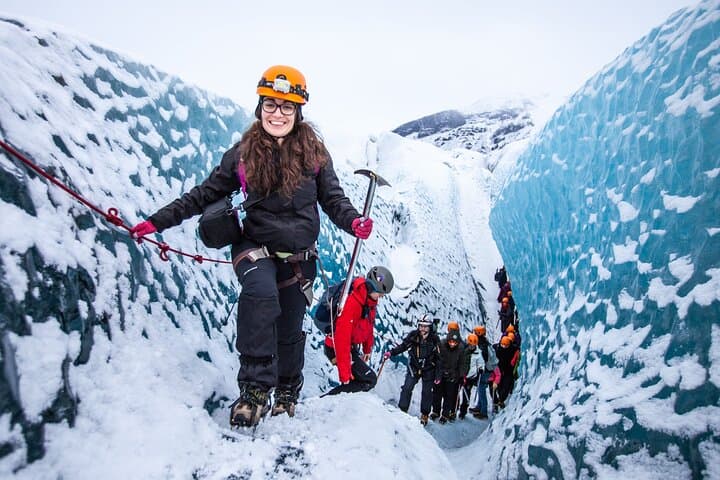
Beneath a sky of shifting light, Skaftafell’s ice reads like a map of time. This three-hour guided glacier hike mixes technical instruction with geology and culture: compact, safe, and unforgettable.
 Related story
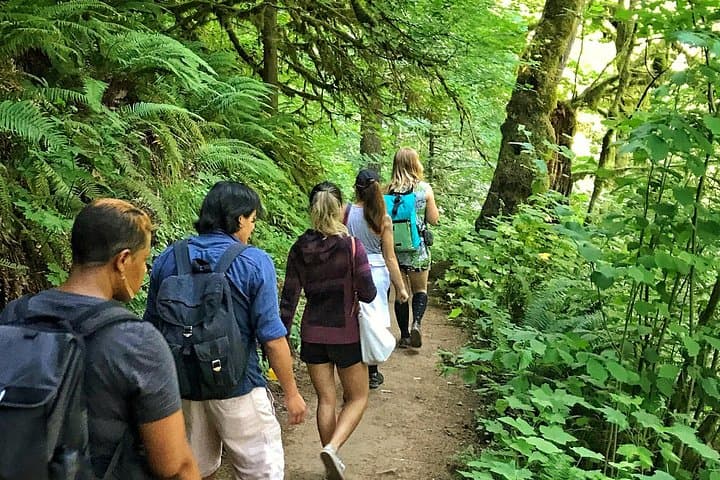
Lose the city for a few hours without leaving it: this 5-mile, 900-foot-gain Forest Park loop threads old-growth pockets, city viewpoints, and cultural landmarks for a compact taste of Portland’s wild side. Expect moss, roots, and stories.