
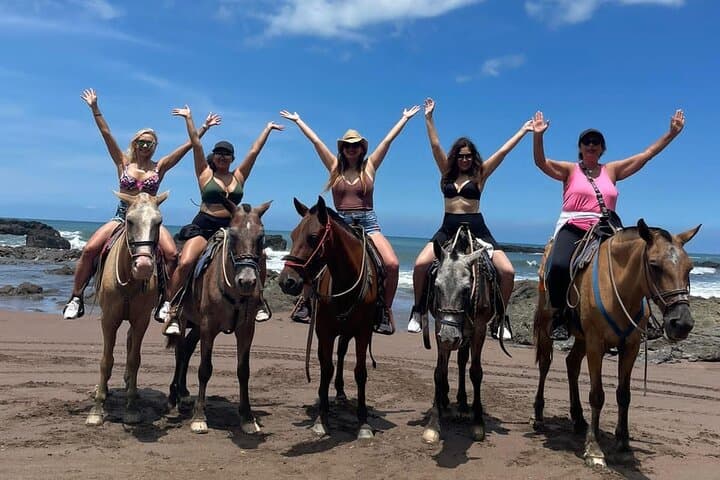
What the day feels like
You set out before the heat builds—sand still cool under the horse's hooves, the ocean pushing a thin, salty breeze across your face. The tack creaks like an old boat; the horse finds its rhythm and you fall into a steadier one of your own. To your right, the Pacific shimmers and stretches toward the horizon; to your left, the green becomes a wall—mangroves and tropical forest folding into one another, leaves gleaming like polished coins. On a two-hour loop that starts and ends on Jaco Beach, the world narrows to hoofbeats, birdsong and the occasional rustle where a sloth or monkey makes itself known.
Jaco Horseback Riding Adventure Tours packages a classic Costa Rican contrast into a compact, accessible outing—beach, river, and jungle stitched together by a gentle ride and skilled, patient horses. The experience is designed for riders of all levels; guides match mounts to riders and set a pace that suits the group, so a first-time rider and someone with experience can both come away with stories and photos.
The area around Jacó sits on the edge of a transitional zone between the drier Pacific lowlands and the wetter central rainforest. That ecological mix explains the high biodiversity: scarlet macaws streak overhead, white-faced capuchins chatter in the canopy, and slow-moving sloths tuck themselves into bromeliads. About 20 minutes north lies Carara National Park, a protected patch that preserves this transitional forest and is one of the region's best places to encounter macaws in the wild—a reminder that even short coastal rides here are threaded through meaningful conservation terrain.
Geologically, the coastline alternates between black-sand beaches formed by volcanic activity and softer stretches of surf-lapped sand. Erosion and seasonal river mouths change the feel of the ride from week to week; after heavy rains the rivers run higher and the jungle smells of wet earth, while in the dry season the beach opens broader for long stretches of galloping. Local culture in Jaco blends surf-town energy with a rural Costa Rica ethos—small sodas (family-run restaurants) serve casados (rice, beans, plantain and protein) and fishermen clean their catch beside the walkways.
What makes this horseback loop special is how immediacy meets ease. You don't have to be a seasoned equestrian to feel transported by the landscape; the horses are described as well trained and gentle, and guides tailor the route to riders' comfort. That tailored approach is part of the operator's pitch: you get a personalized ride rather than a conveyor-belt tour. Practicalities are straightforward: the trip runs roughly two hours, comes with instant confirmation at booking, and tends to be competitively priced with a starting fare around USD 60.
For planning, time your ride early in the morning for cooler temperatures and prime wildlife activity. The dry season (roughly December through April) gives the cleanest beach running, but the green of the rainy months makes the jungle feel juicier and louder—more birds, more color. Bring sun protection, insect repellent, and a hydration system; parts of the trail shade you, parts of it leave the sun unforgiving.
The ride's pace is a narrative in itself—walking and trotting along sand in stretches, cantering where the shore allows, and threading through narrow jungle trails where the horses step lightly over roots and fallen leaves. Guides point out flora and fauna and will pause for photo stops, but you're never far from the surf or the next scenic viewpoint. This is not a remote, multi-day expedition; it's an intimate, half-day window into Costa Rica's coastal ecology and a solid option for families or travelers who want active time without technical skills.
Safety is pragmatic: helmets and briefing are standard, guides read the ability of the group before increasing speed, and horses are matched to riders' weight and experience. Still, bring sturdy shoes that won't slip in stirrups and be ready for sand, mud and the occasional insect flyby. Bring small bills for tips or a soda stop afterward; local guides often appreciate a thank-you in cash.
Post-ride, the town of Jaco offers a classic Costa Rican post-adventure routine—grab a ceviche at a beachfront stall, sit with a cold local beer and watch surfers, or explore the nearby trails and lookout points. Because the tour starts and finishes on the beach, it integrates easily into a day of surf lessons, zipline canopy tours or a drive to Manuel Antonio and Carara National Park.
For anyone weighing this trip, the appeal is twofold: intimacy with coastline ecosystems in a brief, accessible format; and the uncomplicated joy of traveling on a horse that knows this place well. It’s a ride that feels like a local ritual—equal parts nature viewing and low-effort adventure—wrapped up in a way that leaves room for more exploration in Costa Rica’s famously biodiverse Pacific corridor.
Trail wisdom
Small choices, better day.
Time it right
Book early-morning departures for cooler temperatures and better wildlife viewing.
Bring water
Carry at least 1–2 liters in a secure bottle—hydration is crucial on sunny beach stretches.
Wear closed-toe shoes
Sturdy sneakers or light hiking shoes keep your feet secure in stirrups and protect against sand and roots.
Protect against bugs
Apply a DEET or picaridin-based repellent before heading into the jungle sections.
Local knowledge
Read the place, not just the route.
Watch for native species including White-faced capuchin monkeys, Three-toed sloths (and scarlet macaws nearby).
Keep an eye out for wildlife during the transition between areas and habitats. Respect distance guidelines.
Many local operators work with conservation programs and practice low-impact rides—stick to designated trails to minimize disturbance and avoid feeding wildlife.
Follow the guide's instructions on size limits, ethical handling, and leave-no-trace practices.
Early-morning tide pools along the northern stretch of Jaco Beach. A short walk from the main drag to small roadside sodas serving fresh casados
Locally recommended viewpoints and quiet spots known best to local operators.
Jaco grew from a small fishing village into a surf and tourism center over the past few decades, sitting at the edge of ecosystems protected by nearby Carara National Park.
Maritime roots and regional tradition shape the waterways and working coasts.
Seasonal guide
Four versions of the same landscape.
Spring
Best forDry beach runs · Clear ocean views · Good wildlife visibility
ChallengesHigher tourist numbers · Stronger midday sun
Spring (dry season) delivers broad, run-friendly beaches and predictable weather—ideal for longer gallops and easy photos.
Summer
Best forLush jungle scenery · Active birdlife · Greener trails
ChallengesAfternoon showers · Muddy trail sections
Summer brings dramatic green growth and a louder jungle; be prepared for short heavy rains and softer sand.
Fall
Best forFewer crowds · Comfortable temperatures · Good surf conditions
ChallengesSome rain depending on the year · Variable river mouths
Fall balances quieter beaches with warm water—expect changing conditions after tropical downpours.
Winter
Best forPeak dry-season clarity · Stable trail conditions · High visibility for birds
ChallengesPeak visitor season around holidays · Limited last-minute availability
Winter equals clear skies and steady riding conditions; book ahead during holiday weeks to secure slots.
Operator details
What the booking data adds.
Included
- ✓bottled water, helmets, suggested long pants and closed shoes
Good to know
- ✓Public transportation options are available nearby
- ✓Not recommended for travelers with spinal injuries
- ✓Not recommended for pregnant travelers
- ✓Not recommended for travelers with poor cardiovascular health
- ✓Suitable for all physical fitness levels
- ✓weight limit 115kl/255lbs or obese
Pack with intention
What to bring.
Good to know
Common questions.
No—tours are designed for all levels; guides match horses to riders and provide a safety briefing before departure.
Plan the edges
The details that make the day easier.
Carara National Park, just north of Jaco, is one of Costa Rica's last transitional forests and a stronghold for wild scarlet macaws.
After your ride, head to a beachfront soda for a casado or fresh ceviche and finish with a cold local beer; small shops in Jaco also sell handwoven goods and locally roasted coffee for souvenirs.
- Closest airport
- Juan Santamaría International Airport (SJO); Driving time to Jaco: ~1.5–2 hours (approx. 85 km); Meeting point: beachfront in Jaco (operator provides exact location upon booking); Cell service: good in town, intermittent in jungle; Permits: none required for this tour.
Operators commonly emphasize staying on trails and not feeding wildlife—pack out trash, avoid single-use plastics where possible, and respect local habitats to help protect coastal and jungle ecosystems.
Explore by topic
Follow the threads.
Keep exploring
Make the story part of the trip.
In four hours you can move from shaded canyon ferns to wind-scoured coastal ridgelines, guided by someone who knows where the light—and the hidden views—live. This private half-day hike on the Monterey Peninsula or Big Sur is compact, curated, and perfect for travelers who want depth without a multiday commitment.
 Related story
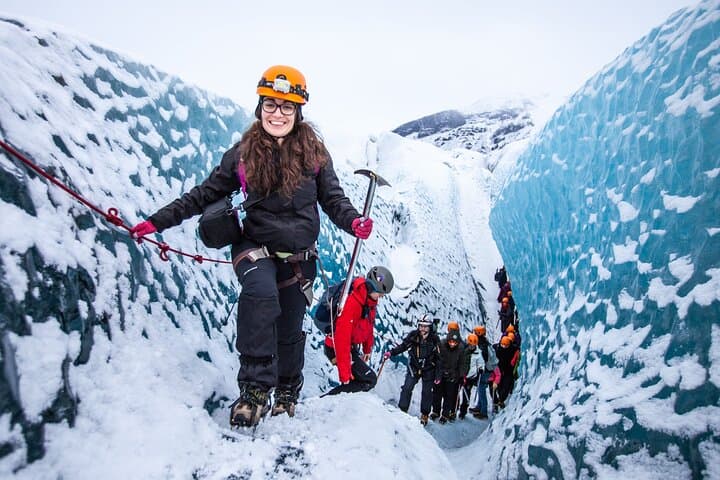
Beneath a sky of shifting light, Skaftafell’s ice reads like a map of time. This three-hour guided glacier hike mixes technical instruction with geology and culture: compact, safe, and unforgettable.
 Related story
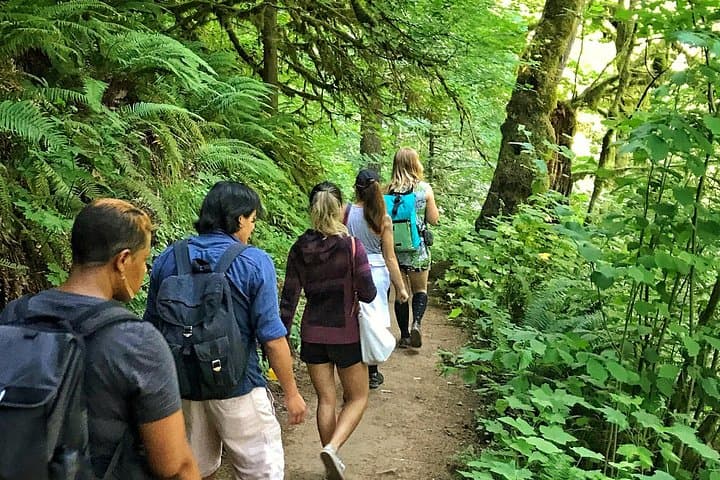
Lose the city for a few hours without leaving it: this 5-mile, 900-foot-gain Forest Park loop threads old-growth pockets, city viewpoints, and cultural landmarks for a compact taste of Portland’s wild side. Expect moss, roots, and stories.