
What the day feels like
The city wakes to the soft thud of prayer wheels and the metallic ping of tea kettles. In Kathmandu’s narrow lanes, saffron banners flutter from windows, and the air tastes of incense and diesel. You step out under a sky threaded with prayer flags and the city folds open in front of you: a jumble of courtyards, carved wooden windows, and the low hum of a capital that still feels intimate. This is your first inhale of the Nepal the guidebooks promise — history that chats back, and landscapes that make you want to keep walking.
The 7 Days Nepal Adventure Tour threads three very different places into one compact loop: the cultural heart of Kathmandu, the subtropical grasslands of Chitwan National Park, and the lakeside calm of Pokhara beneath the Annapurna range. Over seven days you’ll move from UNESCO-listed stupas and temple courtyards to jungle canoes and sunrise viewpoints, trading cobbled plazas for reed-lined rivers and Himalayan panoramas. The arc is deliberately varied: a cultural primer, a wildlife immersion, and a mountain-side exhale.
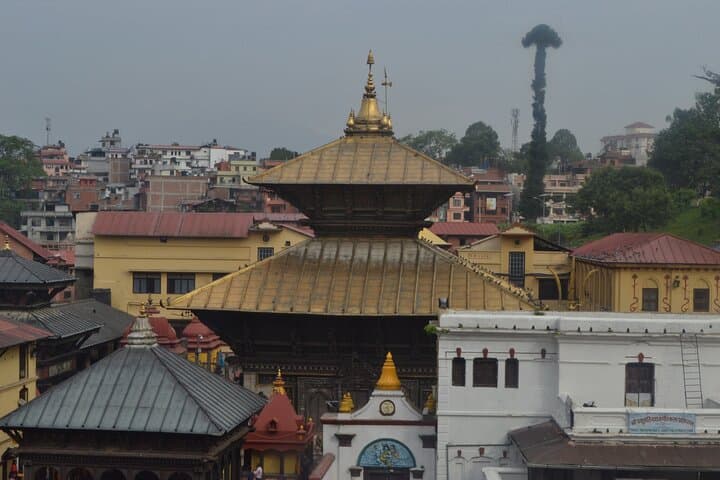
Kathmandu’s three big sites — Pashupatinath’s river-edge cremation ghats, the white dome of Boudhanath Stupa, and the alleys of Durbar Square — are compact history lessons wrapped in devotional practice. Watch pilgrims circumambulate the stupa, listen as monks chant in a Tibetan gompa, and notice the small domestic details people often miss: shopkeepers sweeping marigold dust from thresholds, or a child racing a goat down a lane. These places are busy but easy to navigate; they introduce Nepal’s spiritual diversity and the centuries of artisanship that still shape daily life.
Then the itinerary drops you south, into Chitwan’s lowland heat and humidity — a different animal entirely. The jungle here has personality: tall grasses that rustle with hidden life, rivers that dare you to lean closer, and a slow conversational rhythm of birdsong. Canoe down the Narayani or Rapti rivers at dawn and expect to see riverbanks crowded with crocodiles and gharials, and maybe a mother rhino grazing with her calf. Jeeps and guided walks add variety; guides trained in local ecology decode tracks and calls that you’d otherwise miss. Chitwan is where the country’s conservation story is most visible: anti-poaching patrols, community-based tourism with Tharu cultural exchanges, and sincere efforts to balance visitor access with animal welfare.
The final act is Pokhara, where the mountains move close enough to see their ridges. Phewa Lake is the stage: sunrise here is a private showing, with the Annapurna massif mirrored in still water while wooden boats rock gently at the shore. If you’re after adrenaline, a paragliding launch off Sarangkot gives a bird’s-eye view of the valley; if you want slow wonder, rent a boat and drift. Pokhara’s lakeside is also the place to feel the trip settle into you: cafés with views, small artisan shops, and evening markets that wind down as the sky goes cold and clear.
Practical specifics: the tour runs seven days (about 10080 minutes of travel and experience), typically starting and ending in Kathmandu. Elevation changes matter: Kathmandu sits near 1,400 meters, Pokhara around 800–900 meters, and Chitwan’s Terai plains drop toward 200 meters. You won’t be doing high-altitude trekking here, but you will experience humidity, sudden showers (especially during monsoon season), and early-morning chill on mountain viewpoints. Cost starts around USD 650 and often includes transport, entry fees, and some meals; confirmations are instant and many departures offer private-tour options and free cancellation windows — useful if you’re building a multi-destination itinerary around flights.
Why go? This is an itinerary for travelers who want a dense, varied introduction to Nepal without committing to a long trek. It’s ideal for those who want striking photographic moments (temples at golden hour, rhinos in long grass, anise-clear mountain reflections), but who also appreciate a comfortable logistical spine — local guides, arranged transfers, and curated experiences that strip the guesswork out of moving between cities. For first-timers it’s a masterful sampler; for return visitors it’s a tidy way to connect spiritual Kathmandu with wildlife and mountain panoramas in a single week.
On the ground tips: keep a small daypack for market jaunts and temple visits; carry modest clothing for religious sites; move slowly in Chitwan at dawn and dusk when wildlife is most active, and favor canoe and walking safaris for quieter wildlife encounters. Hydration and sun protection are easy wins: Nepal’s sun can be intense even when air temperatures are moderate. And finally, slow down. This week rewards attention: the detail of a carved window, the way a sunrise changes the face of a mountain, a guide’s quiet gesture toward a rustle in the grass that turns out to be a spotted deer.
Trail wisdom
Small choices, better day.
Layer for the day
Pack light layers — early mornings in Pokhara and temple courtyards can be chilly while mid-days in Chitwan get hot and humid.
Bring binoculars
A compact pair makes wildlife viewing in Chitwan far more rewarding and helps with birdwatching along riverbanks.
Respect religious sites
Dress modestly at stupas and temples; remove shoes where required and ask before photographing people in prayer.
Hydrate and sun-protect
Carry a refillable water bottle and sun protection—sun and humidity can dehydrate you faster than you expect.
Local knowledge
Read the place, not just the route.
Watch for native species including One-horned rhinoceros, Bengal tiger (rare; may be seen by chance).
Keep an eye out for wildlife during the transition between areas and habitats. Respect distance guidelines.
Chitwan’s conservation model blends park protection with community involvement; choose operators who support anti-poaching and community-based tourism and avoid activities that stress wildlife like close-contact elephant rides.
Follow the guide's instructions on size limits, ethical handling, and leave-no-trace practices.
Panauti: a small heritage town east of Kathmandu with quiet courtyards and traditional Newar architecture. Early-morning boat row on Phewa Lake (before paragliders launch) for peaceful reflections and local fishermen scenes
Locally recommended viewpoints and quiet spots known best to local operators.
Kathmandu Valley has been a cultural crossroads for centuries; many of the temples and palaces visited are part of the valley’s UNESCO World Heritage ensemble.
Maritime roots and regional tradition shape the waterways and working coasts.
Seasonal guide
Four versions of the same landscape.
Spring
Best forClear mountain views · Wildflower displays · Birdwatching
ChallengesOccasional rains · Pollen and dust
Spring (March–May) brings warm days, clear skies for mountain panoramas, and good bird activity in Chitwan.
Summer
Best forLush jungle scenery · Fewer crowds · Lower prices
ChallengesMonsoon rains · Muddy trails
Summer is the monsoon season; expect intermittent heavy rain and higher humidity, especially in Chitwan.
Fall
Best forStable weather · Peak visibility · Festival season
ChallengesHigher visitor numbers · Book early for paragliding
Fall (September–November) is the ideal time for clear Himalayan views and comfortable conditions across all destinations.
Winter
Best forCrisp mountain air · Quieter trails · Clear nights for stars
ChallengesCold mornings at elevation · Limited water activities
Winters are cool and dry with crisp visibility; mornings can be cold around viewpoints like Sarangkot.
Operator details
What the booking data adds.
Included
- ✓Tourist Bus Transportation (Kathmandu-Chitwan-Pokhara-kathmandu)
- ✓All board facilities in Chitwan (Breakfast, Lunch, Dinner and accommodation)
- ✓Private car for Sightseeing in Kathmandu and Pokhara
- ✓Fully Guided Tour
- ✓Lunch
- ✓Dinner
- ✓Breakfast
- ✓3-star standard accommodation Hotel in Kathmandu and Pokhara with Bed and Breakfast
- ✓Pick up and Drop off to the Airport
- ✓Agency Service Carge, Governmental TAX & VAT
Not included
- —Lunch and Dinner in Kathmandu and Pokhara
- —Service not mentioned above
- —Entrance fees in Kathmandu UNESCO Heritage sites and Pokhara NPR 3000 in total
- —Extra facilities which are not mentioned in inclusion and in itinerary
Good to know
- ✓Public transportation options are available nearby
- ✓Specialized infant seats are available
- ✓Suitable for all physical fitness levels
Pack with intention
What to bring.
Good to know
Common questions.
No technical fitness is required, but participants should be comfortable with several hours of light walking, short hikes, and transfers by road up to 6–7 hours on some days.
Plan the edges
The details that make the day easier.
Chitwan National Park was established in 1973 as Nepal’s first national park and helped pioneer community-based conservation programs in the region.
After a day of temples, head to Kathmandu’s Thamel or Jhamsikhel for Newari momos and dal bhat; in Chitwan, sit in on a Tharu cultural dance and try their spicy local cuisine; in Pokhara, reward a sunrise with a lakeside coffee and dal bhat, and finish the evening with a beer at a rooftop bar overlooking Phewa Lake.
- Closest airport
- Tribhuvan International Airport (KTM)
- Typical driving times
- Kathmandu–Chitwan ~5–6 hours, Chitwan–Pokhara ~5–6 hours
- Cell service
- Good in cities, patchy in rural Chitwan
- Permits
- Park entry fees and ranger permits for Chitwan are usually included by tour operators
Choose operators who support community conservation in Chitwan, avoid activities that exploit wildlife (ask about elephant welfare and prefer canoe or jeep safaris), and pack out all trash—this keeps fragile river and forest habitats healthy.
Explore by topic
Follow the threads.
Keep exploring
Make the story part of the trip.
 Related story
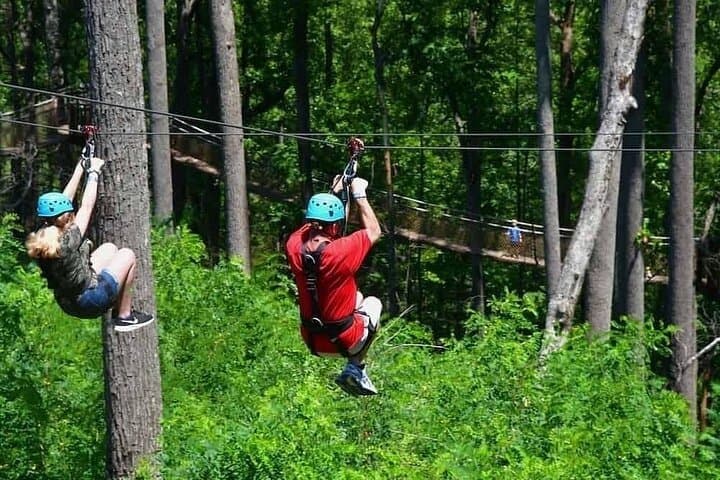
Less than two hours from Nairobi, Kereita Forest pairs hands-on canopy adventure with quiet montane trails and a sobering colonial history—perfect for families, teams, and curious travelers seeking a full-day pulse of nature.
Set out from Bass Harbor for a private, customizable day on Blue Hill Bay — lighthouses, puffins, seals, and the chance to feel Acadia from the water. Small groups, local captains, unforgettable views.
In four hours you can move from shaded canyon ferns to wind-scoured coastal ridgelines, guided by someone who knows where the light—and the hidden views—live. This private half-day hike on the Monterey Peninsula or Big Sur is compact, curated, and perfect for travelers who want depth without a multiday commitment.