
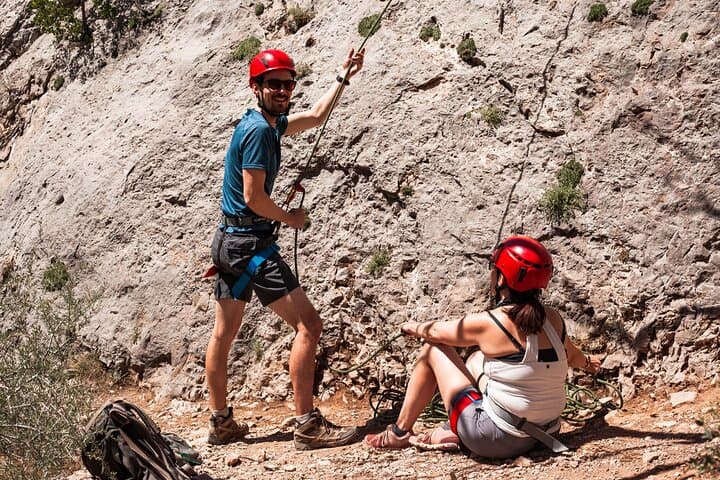
What the day feels like
The morning light here is honest: it washes across the canyon in a flat, hot ribbon that makes the red walls glow like embers. You tie in on a small ledge, feel the calcified grit of Navajo Sandstone under your fingers, and for a moment the canyon is a cathedral—silent except for the faint rush of the Virgin River down below, daring you to go higher. This is not the summit-chasing of alpine expeditions; it’s intimate, vertical travel: a four-hour, private climb tailored to the pace of whoever stands at the base.
Zion’s cliffs are part of a geologic story that reads like a slow-motion epic. The Navajo Sandstone—the wind-blown sand dunes of a Jurassic desert—solidified into vast, cross-bedded slabs. Over millennia the Virgin River cut through that sandstone and revealed a palette of reds, creams, and orange bands, creating the steep faces climbers now read as lines. The rock is not uniformly clean; it stores the history of water and wind—pockets and ledges tell you where steps and holds will be. Southern Paiute people have lived in these canyons for centuries and the land remains culturally significant; modern climbing sits atop a deeper human story.
Guided climbs around Zion are quietly adaptive. The offering here is private—guides contact clients the day before to match route difficulty and expectations—and that makes a difference. If the weather is off or the team would prefer an easier or harder pitch, guides change the plan to put you on rock that’s right for the moment. The half-day format (about four hours) focuses on movement, technique, and getting you to meaningful exposure without burning the whole day. For many that means two or three pitches of sustained, clean face climbing: enough to push your comfort zone, but not so much that the approach takes over the experience.
There’s an arresting human element to this kind of outing. Guides are part coach, part rock detective: they read seams, teach footwork, and manage anchors while you learn to trust rope systems. For first-timers the learning curve isn’t steep; in a private setting you’ll pick up basic belaying, efficient knotwork, and how to move on friction and small crimps. If you’re a seasoned climber, your guide will find routes that test technical footwork and route-finding, or simply pace you through long, pleasing moves.
Practical realities are important in Zion’s desert environment. Temperatures can swing; the sandstone retains heat. Water and sun protection are non-negotiable. The rock can hold dust in low-traffic corners, and after rain it becomes slick—guides will avoid routes that haven’t shed moisture. Approach trails are often short but can involve loose scree; sticky rubber on climbing shoes helps more than brute strength. Also, because the area is popular, private trips are valuable for avoiding crowds and getting to routes when they’re in the best condition.
Why do this at Zion rather than a crag closer to your home? It’s the synthesis of environment and technique: climbing on rock formed 200 million years ago with canyon views that flatten your sense of time. And the trip is designed for accessibility: the private, half-day format makes it easy to slot a meaningful vertical experience into a larger Zion itinerary—afterwards you can hike a rim trail, catch golden-hour light on the Watchman, or drive the scenic loop.
If you’re planning it, here’s what to expect: the product is an instant-confirmation, private tour priced from $200 and lasting roughly four hours. Guides will reach out the day before to align route choice with ability, and they’ll follow up after the trip with photos—standard practice for building confidence and memories. Safety is front and center; helmets, ropes, and anchors are managed by pros so you focus on movement. Expect climbs of varying heights—often single-pitch to mid-multi-pitch—and to learn or refine belaying and rappelling under supervision.
Consider timing: spring and fall deliver the most comfortable temperatures and best friction on the rock; summer can be brutally hot on sun-exposed faces, while winter sometimes coaxes ephemeral ice and slick sandstone. Private guiding reduces risk of decision-making mistakes, particularly when weather complicates route choice.
This climb is practical, instructive, and deeply gratifying. It is not about summiting the tallest wall in the park; it’s about feeling the texture of ancient stone beneath your fingertips, measuring your breath against the canyon’s silence, and walking down with a clearer sense of how to move on rock. Whether you’re a first-time lead climber wanting professional instruction or an experienced partner seeking a fresh line in a legendary landscape, a half-day private climb near Zion is a tidy, powerful way to experience one of America’s most iconic canyon walls.
Trail wisdom
Small choices, better day.
Stay light but hydrated
Bring at least 1 liter of water for a half-day climb and sip often—Zion’s desert heat can dehydrate you faster than you expect.
Trust the guide’s route choice
Your guide will pick lines based on rock condition and ability—follow advice on footwear and technique to get the most from the climb.
Protect from sun and heat
Use a brimmed hat, sunscreen, and light layers; early morning or late afternoon climbs avoid peak heat on exposed faces.
Respect rock conditions
Avoid climbing sandstone that’s wet or chalk-heavy; the guide will route you away from slick or fragile sections.
Local knowledge
Read the place, not just the route.
Watch for native species including Desert bighorn sheep, Common ravens.
Keep an eye out for wildlife during the transition between areas and habitats. Respect distance guidelines.
Climbing can impact fragile desert ecosystems; follow Leave No Trace, avoid trampling cryptobiotic soil, and minimize chalk use on sandstone.
Follow the guide's instructions on size limits, ethical handling, and leave-no-trace practices.
Sunset viewpoints along the Watchman Trail (less crowded late-season). Small sandstone alcoves off lesser-known day routes with comfortable belay ledges
Locally recommended viewpoints and quiet spots known best to local operators.
Zion’s canyon walls are Navajo Sandstone formed in the Jurassic; the national park was established in 1919 and the area holds long-standing importance to the Southern Paiute people.
Maritime roots and regional tradition shape the waterways and working coasts.
Seasonal guide
Four versions of the same landscape.
Spring
Best forModerate temperatures · Good friction on rock
ChallengesOccasional storms · Variable crowds
Spring offers comfortable climbing temperatures and strong friction, though afternoon storms can occasionally make routes slick.
Summer
Best forLong daylight · Early-morning routes
ChallengesExtreme heat · Sun exposure on faces
Summer can be hot; early starts or shaded routes are essential to avoid heat-related issues.
Fall
Best forIdeal temperatures · Stable weather
ChallengesShortening days · Higher demand
Fall is often the best balance of temperature and rock condition—book ahead as guides and routes fill up.
Winter
Best forClear, crisp days · Fewer crowds
ChallengesCold mornings · Occasional icy rock
Winters are quieter but can make sandstone slick when icy; guides will select routes accordingly.
Operator details
What the booking data adds.
Included
- ✓Harnesses, Helmets, Climbing Shoes, ropes, anchors, expert guide.
Not included
- —Please bring your own snacks and water for the 4 hour tour.
Good to know
- ✓Not recommended for travelers with spinal injuries
- ✓Not recommended for pregnant travelers
- ✓Not recommended for travelers with poor cardiovascular health
- ✓Travelers should have at least a moderate level of physical fitness
Pack with intention
What to bring.
Good to know
Common questions.
No—this private trip accommodates beginners with guided instruction in belaying, knots, and movement; experienced climbers can request tougher routes.
Plan the edges
The details that make the day easier.
Zion National Park was established in 1919 and its sandstone formations were deposited as sand dunes around 180–190 million years ago.
After a climb, head into Springdale for a craft beer at a local taproom or a hearty plate at a southwestern-style eatery—try a Navajo taco or locally sourced bison dish—and stroll gallery shops featuring Paiute artisans.
- Closest airport
- St. George Regional Airport (SGU) ~45 minutes. Trailhead
- driving distance
- most crags are 10–30 minutes from Springdale. Cell service: intermittent in canyons. Permits: some routes in Zion require permits—guide handles paperwork.
Sandstone is fragile—avoid climbing when wet, use minimal chalk, stay on durable surfaces, and pack out all trash to protect cryptobiotic soils and native plants.
Explore by topic
Follow the threads.
Keep exploring
Make the story part of the trip.
 Related story
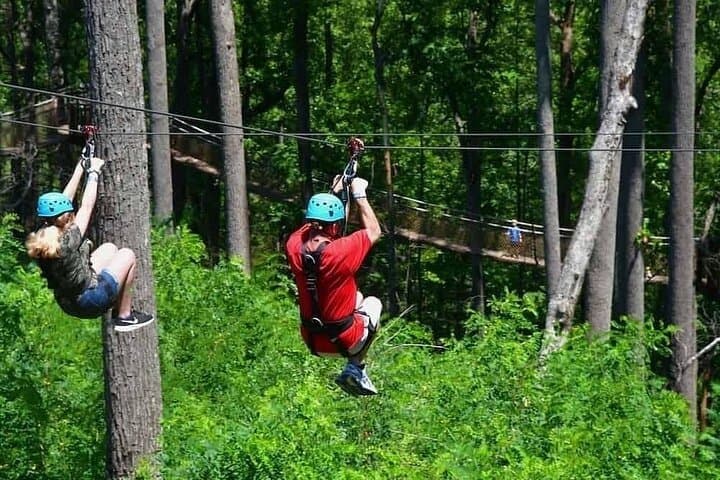
Less than two hours from Nairobi, Kereita Forest pairs hands-on canopy adventure with quiet montane trails and a sobering colonial history—perfect for families, teams, and curious travelers seeking a full-day pulse of nature.
Set out from Bass Harbor for a private, customizable day on Blue Hill Bay — lighthouses, puffins, seals, and the chance to feel Acadia from the water. Small groups, local captains, unforgettable views.
In four hours you can move from shaded canyon ferns to wind-scoured coastal ridgelines, guided by someone who knows where the light—and the hidden views—live. This private half-day hike on the Monterey Peninsula or Big Sur is compact, curated, and perfect for travelers who want depth without a multiday commitment.