
What the day feels like
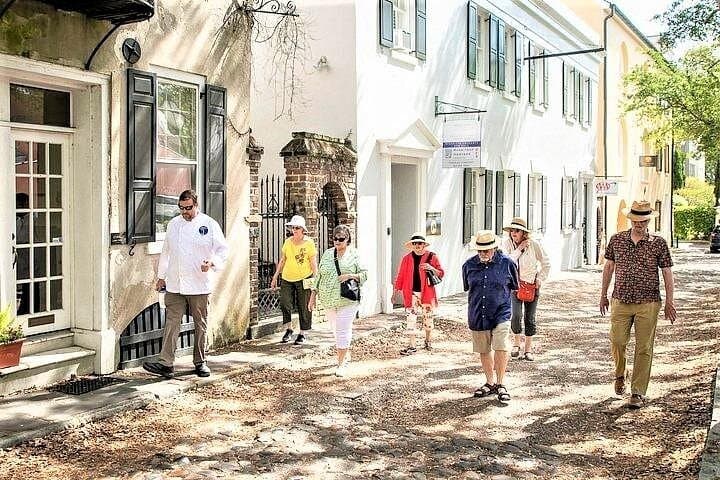
You step off the shaded sidewalk and into a pocket of history where brickwork leans as if to whisper secrets. The air smells faintly of citrus and old wood; street trees tilt toward the harbor as if listening. Chef Forrest Parker greets you with the easy authority of someone who can read a city the way others read a map—he points to a faded door, recounts who lived there in 1812, then gestures toward a tiny alley where a pastry maker flips a tray of warm biscuits. This is not a textbook tour of Charleston. It’s a measured, chef-led conversation between the city’s layered past and the food that grew from it.
On the <a href='https://app.advcollective.com/local-experts/undiscovered-charleston-half-day-food-wine-history-tour-with-chef-forrest-parker'>Undiscovered Charleston: Half Day Food, Wine & History Tour with Cooking Class</a>, the four-hour arc moves like a well-paced dinner service: an 90-minute food-history walking tour through the historic district, then a transition into a cooking demonstration and a paired lunch at Bistro a Vin. You’ll walk narrow streets that survived colonial fires and civil wars, past carriage houses and garden gates, all while sampling hands-on interpretations of Lowcountry cuisine: pickled okra, shrimp and grits that balance the sweet spool of Carolina shrimp with grit’s reassuring texture, and golden hushpuppies that snap when you bite them. The wine pairings—deliberate, not showy—add a layer of global perspective that underscores Charleston’s role as a port city where ingredients and influence flowed in and out for centuries.
Forrest Parker—recognized as a South Carolina Chef Ambassador—frames the food in context. He traces the arc from Gullah culinary traditions to French and British techniques, pointing out how climate and access shaped what landed on the table. That sense of provenance carries through into the cooking demo at Bistro a Vin, where the demonstration is short, practical, and useful: technique you can replicate at home, not just watch. Lunch is convivial and unpretentious, the kind of end to a tour that leaves you satisfied and smarter about how place, labor, and time create a cuisine.
Charleston’s geology and geography shape the palate here. Lowcountry marshes feed shrimp and oysters; sandy soils favor sweet potatoes and peanuts; the warm, humid climate preserved and adapted techniques like pickling and slow-cooking. Architecturally, the city is a palimpsest—Georgian symmetry overlain by Victorian gingerbread and antebellum mansions that stand sentinel along the Battery. These structures are not just a backdrop; they are part of the story you taste. The tour points out how enslaved cooks, immigrant laborers, and coastal trade created a culinary language that still informs menus today.
This tour is particularly good for travelers who want to do more than check boxes. It’s social but intimate, tactile but grounded in history, a fit for food-focused travelers who appreciate learning why a dish tastes the way it does—not merely sampling it. If you’re a casual hiker of streets rather than trails, or a seasoned traveler who wants nuance with your nosh, this experience blends sensory reward with cultural literacy.
Practical realities: the tour covers ground in the compact historic district, so prepare for city walking on brick and cobblestone. Wear comfortable shoes and bring a light rain layer in spring and summer. The cooking demo and wine pairing are seated and relaxed, and dietary restrictions can usually be accommodated with advance notice. Because this tour is chef-led and limited in size, it sells out—book early, and take advantage of the instant confirmation and free cancellation on many dates.
Why this matters now: Charleston is in a culinary renaissance that leans on revived heritage techniques, sustainable local sourcing, and deeper engagement with the city’s full history. Tours such as this one act as learning bridges—pairing high-quality tasting experiences with honest conversations about provenance and change. Whether you’re here to savor, to learn, or to bring back a recipe, the day yields memories, photos, and a handful of techniques to elevate your home cooking.
When to go: spring and fall are textbook-perfect—comfortable walking weather and the freshest harvests in the markets. Summer is vibrant and humid; come earlier in the day to avoid the heat. Winters are mild, and the city’s quieter rhythm changes the experience into something more reflective.
If you only have half a day in Charleston and want an immersion that feels like an afternoon well spent, this chef-led tour delivers. It’s less spectacle and more conversation—an invitation to taste history, learn craft, and walk out with a recipe and a few stories that linger long after the last bite.
Book the tour, bring a curious appetite, and let the city’s narrow streets and chef’s perspective open a new map of Charleston—one measured in flavor and rooted in place.
Trail wisdom
Small choices, better day.
Comfortable Footwear
Wear sturdy, broken-in shoes—the tour covers brick and uneven sidewalks across the historic district.
Hydrate Between Tastings
Carry a small water bottle to stay hydrated during the walking portion, especially in warmer months.
Note Dietary Needs Ahead
Email the operator in advance to accommodate allergies or dietary restrictions for the cooking demo and lunch.
Book Early
This chef-led, small-group tour is popular—reserve a spot early to secure preferred dates and times.
Local knowledge
Read the place, not just the route.
Watch for native species including Brown pelicans along the harbor, Wading herons and egrets in nearby marshes.
Keep an eye out for wildlife during the transition between areas and habitats. Respect distance guidelines.
Many local chefs prioritize sustainable seafood and support small producers; choose operators that work with responsible purveyors and minimize single-use plastics.
Follow the guide's instructions on size limits, ethical handling, and leave-no-trace practices.
The small, historic alleyways near Church Street where local bakeries practice old methods. The courtyard behind a low-profile kitchen where seasonal produce appears on menus
Locally recommended viewpoints and quiet spots known best to local operators.
Charleston was founded in 1670 and became a major Atlantic port—its culinary identity reflects centuries of Gullah African, European, and Indigenous foodways.
Maritime roots and regional tradition shape the waterways and working coasts.
Seasonal guide
Four versions of the same landscape.
Spring
Best forMild walking weather · Fresh spring produce · Outdoor dining
ChallengesOccasional showers · Spring crowds during festivals
Spring offers comfortable temperatures and abundant local produce—ideal for tasting markets and patio lunches.
Summer
Best forExtended daylight · Seafood peak season
ChallengesHigh heat and humidity · Afternoon thunderstorms
Summer brings lively food scenes and top shrimp season, but plan for heat—morning tours are most comfortable.
Fall
Best forHarvest flavors · Cooler walking conditions · Fewer crowds
ChallengesVariable temperatures · Some restaurants close for renovations
Fall combines cooler air with rich fall produce—an excellent time for both walking and culinary demos.
Winter
Best forQuieter streets · Indoor tastings and wine pairings
ChallengesCooler temps and occasional rain · Smaller local market selections
Winter is mild but quieter, which can make for a more reflective, intimate tour experience.
Operator details
What the booking data adds.
Included
- ✓For those who do not wish to have wine, Charleston sweet tea and filtered water will be available.
- ✓Each guest will leave with copies of Chef Forrest's recipes.
- ✓Cooking Demonstration by Chef Forrest Parker
- ✓90-minute walking tour of Charleston's historic district
- ✓Bistro Au Vin provides wine tasting pours paired with Chef Forrest's recipes. (Additional wine available for purchase on consumption.)
- ✓Chef Forrest will demonstrate how to prepare three of his recipes with heritage Lowcountry ingredients then serve you lunch with carefully curated wine pairings from Bistro a Vin.
Not included
- —Gratuities
Good to know
- ✓Infants and small children can ride in a pram or stroller
- ✓Service animals allowed
- ✓Public transportation options are available nearby
- ✓Travelers should have at least a moderate level of physical fitness
- ✓Guests must be 21 or older, with the exception of older teenagers accompanying parents
- ✓FOOD ALLERGIES! I regulary cook, handle, prepare and serve meats, shellfish, eggs, dairy, nuts and gluten. That said, if you require reasonable accommodation of any food allergies, aversions or special diets: most common special diets etc. can be accommodated, provided I'm aware in advance. Vegetarians, vegans, pescatarians, dairy allergies, nut allergies & celiacs are all welcome, provided I'm aware in advance. I'm not a restaurant and if I'm not aware in advance I will not be prepared. If you are requesting reasonable accommodation, I STRONGLY URGE YOU TO MESSAGE ME DIRECTLY.
Pack with intention
What to bring.
Good to know
Common questions.
The full experience is approximately four hours: a 90-minute walking food-history tour followed by a cooking demonstration and lunch at Bistro a Vin.
Plan the edges
The details that make the day easier.
Charleston was founded in 1670 and served as a major colonial port; its culinary traditions reflect a blend of African, European, and Indigenous influences.
After the tour and cooking demo at Bistro a Vin, wander King Street for coffee and pastries, or head to Upper King for craft breweries and small-plate dining—look for restaurants that source from nearby farms and fisheries.
- Closest airport
- Charleston International Airport (CHS); Driving distance to downtown: ~20–30 minutes; Cell service: reliable in the historic district; Permits: none required for guests; Booking: instant confirmation available and free cancellation on many dates.
Support restaurants and guides that prioritize local, sustainable seafood and seasonal produce; bring a reusable water bottle and avoid single-use plastics to reduce waste.
Explore by topic
Follow the threads.
Keep exploring
Make the story part of the trip.
Set out from Bass Harbor for a private, customizable day on Blue Hill Bay — lighthouses, puffins, seals, and the chance to feel Acadia from the water. Small groups, local captains, unforgettable views.
In four hours you can move from shaded canyon ferns to wind-scoured coastal ridgelines, guided by someone who knows where the light—and the hidden views—live. This private half-day hike on the Monterey Peninsula or Big Sur is compact, curated, and perfect for travelers who want depth without a multiday commitment.
 Related story
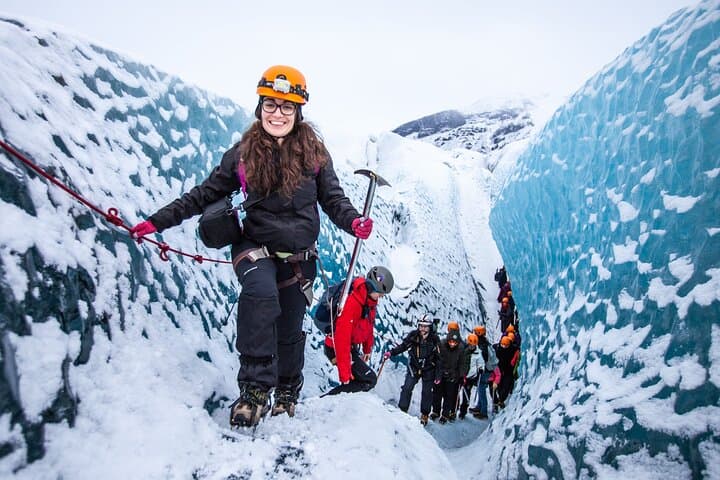
Beneath a sky of shifting light, Skaftafell’s ice reads like a map of time. This three-hour guided glacier hike mixes technical instruction with geology and culture: compact, safe, and unforgettable.