
What the day feels like
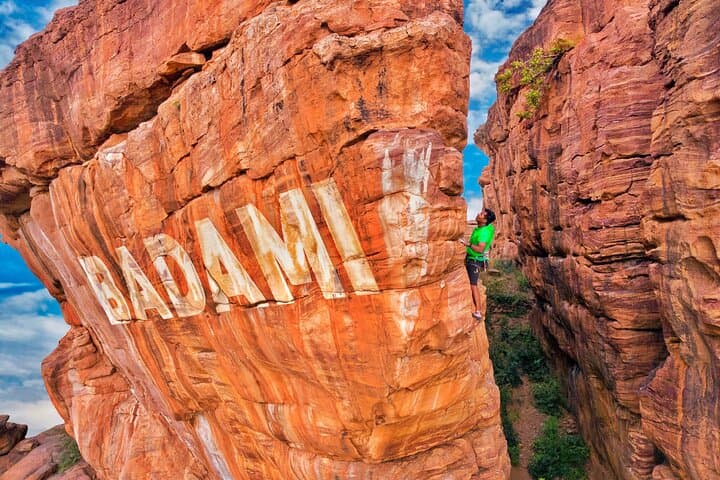
You arrive in Badami as the sun is lowering itself into the valley, a warm, ochre light dusting the town’s red sandstone faces. The cliffs crowd the edge of the lake like an audience waiting for a small, determined spectacle. A guide forks a narrow path through tamarind and acacia, the sound of water and distant temple bells threading through the air. Up close, the stone feels warm and slightly rough under your palm; it smells faintly of dust and something older—carved histories and seasons of wind.
Badami is not a climbing mecca in the way the Alps or Yosemite are, but its compact sandstone amphitheaters deliver an immediacy and intimacy that suits both learners and experienced climbers. Routes here are typically single-pitch faces—mostly 15–30 meters of vertical or slightly overhanging sandstone—anchored by bolts and the occasional natural feature. The terrain favors technical footwork and balance over brute power: small crimps, pocketed holds, and slabby sequences that ask you to trust your feet and the subtle friction of the stone.
This is climbing with context. On the same hillocks sit the 6th-century rock-cut cave temples of the Chalukya dynasty—intricate carvings and sanctums cut directly into Badami’s stone. The landscape feels curated by human hands and ancient rituals, and climbing here is an act that connects modern movement with the geological and cultural past. The sandstone itself is ancient: layers of sediment compressed and sculpted over time into the smooth, sculptural walls that now tempt climbers.
A guided half-day tour—five hours here—usually includes instruction for beginners, route selection for intermediates, and specific coaching for those looking to refine technique: efficient clipping, footwork on slabs, and comfortable belaying practices. Expect a short approach of 10–20 minutes over scrub and packed dirt to reach the cliff bases, and a thorough safety briefing before any rope goes tight. The guide’s role is equal parts teacher and cultural interpreter: they’ll set anchors, coach movement, and remind you which walls are protected heritage and off-limits.
Why come here? For one, the setting is uniquely compact: climb in the morning, and by noon you can be cooling off by the lake or wandering the cave temples. The sandstone presents a different challenge from granite or limestone—grippy, but fickle when wet. That makes timing essential. Climbers who value technical finesse over long approaches will find Badami rewarding. Groups and families are welcome: many operators specialize in private lessons and group introductions, lowering the barrier to trying real rock.
Practical reality sharpens the romance. Hydration and sun protection matter—exposure is real on the faces that catch afternoon heat. Shoes with sticky rubber and confident edging are worth their weight in comfort on slabby sections. Sandstone is more fragile than many climbing stones; when wet it softens and erodes, so avoid climbing after rain and use brushes and minimal chalk to reduce impact. Helmets are non-negotiable here: loose, friable rock occasionally flakes free, especially where weathering has undercut holds.
Approach logistics are forgiving. Badami town is compact and walkable, with guesthouses and simple eateries clustered around the lake. The nearest larger transport hubs—Hubli airport and Belgaum station—are several hours away by car; most climbers arrange pickup through their guides or combine climbing with a small heritage circuit that includes Pattadakal and Aihole. Cell service is usually adequate in town but can be spotty at some cliff bases—download maps and emergency contacts ahead of time.
The best season is the dry, cool months—November through February—when mornings are crisp and the stone is reliable. Summer heats quickly and monsoon months turn sandstone into soft, unsafe terrain.
For many travelers, the real pleasure is the balance: an active morning pushing movement on technical rock, followed by an afternoon absorbing centuries-old sculpture and the simple satisfaction of good local food. Try a thali in a family-run eatery, sip strong South-Indian filter coffee, and sit by the lake as the cliffs are painted gold. Badami’s climbing is not about extremes; it’s a condensed experience of movement, history, and landscape in which each pitch tells you something about the stone and the people who’ve lived around it for a millennium.
If you’re thinking of going, plan for a guide-led session your first time. The local guides know which walls are protected, which sequences are reliable, and how to read the rock. Respect the archaeology—don’t climb on temple facades—and pack out all trash. Bring curiosity as much as gear; let the place teach you its rhythms. When you lower back down and unclip, you’ll feel the sinew of a day well used and an uncanny closeness to both earth and history—sandstone and sky framing a small, perfect kind of adventure.
Trail wisdom
Small choices, better day.
Choose a guide-first approach
Local guides know which faces are climbable, which are heritage-protected, and how to minimize impact on fragile sandstone.
Avoid climbing after rain
Sandstone softens when wet and can flake—wait 48 hours after heavy rain before attempting routes.
Prioritize sticky shoes and a helmet
Sticky rubber and a helmet dramatically improve safety and performance on slabby, crumbly sections.
Time your session for morning or late afternoon
Climb in cooler hours to avoid heat and sun-exposure on south-facing walls.
Local knowledge
Read the place, not just the route.
Watch for native species including Nilgai (blue bull) occasionally on valley edges, Various resident lizards and small birds around scrub and rock.
Keep an eye out for wildlife during the transition between areas and habitats. Respect distance guidelines.
Sandstone is fragile; minimize chalk use, brush holds gently, and avoid climbing on or near protected temple facades to reduce wear.
Follow the guide's instructions on size limits, ethical handling, and leave-no-trace practices.
Climb-facing viewpoints above Agastya Lake for sunset reflections. Quiet temple terraces near the cave temples for a midday rest and cultural context
Locally recommended viewpoints and quiet spots known best to local operators.
Badami is home to 6th-century rock-cut cave temples built by the Chalukya dynasty—an active cultural landscape that predates modern climbing here.
Maritime roots and regional tradition shape the waterways and working coasts.
Seasonal guide
Four versions of the same landscape.
Spring
Best forCalmer crowds · Learning technical footwork
ChallengesOccasional pre-monsoon showers · Variable temperatures
Spring offers pleasant mornings for climbing but watch forecasts—early showers can make sandstone unsafe.
Summer
Best forLong daylight hours · Combining climbing with evening sightseeing
ChallengesHigh heat and sun exposure · Very hot midday conditions
Summer can be hot; schedule climbs for early morning or late afternoon and plan for ample water.
Fall
Best forStable dry conditions · Comfortable temperatures
ChallengesShortening daylight later in season · Tourist season pickup in November
Fall is reliable with dry stone and comfortable temps—excellent for technical practice.
Winter
Best forCool, crisp climbing · Full-day outdoor comfort
ChallengesCool mornings may need layers · Occasional wind across exposed faces
Winter (Nov–Feb) is the optimal season: cool air, firm sandstone, and ideal conditions for climbing.
Operator details
What the booking data adds.
Included
- ✓Tours of other Badami Monuments/Attractions
- ✓belay device, rope, helmet, shoes , chalk bag, chalk, helmet etc
Good to know
- ✓Service animals allowed
- ✓Public transportation options are available nearby
- ✓Not recommended for pregnant travelers
- ✓Not recommended for travelers with poor cardiovascular health
- ✓Suitable for all physical fitness levels
Pack with intention
What to bring.
Good to know
Common questions.
No—many guided sessions are designed for beginners and teach basic rope skills; however, intermediate climbers will find technical challenges too.
Plan the edges
The details that make the day easier.
Badami’s cave temples date to the 6th century CE and were carved into the same sandstone that modern climbers now use—part of the Chalukya dynasty’s early medieval architecture.
After a session, head into town for a North Karnataka thali—thick jowar or rice rotis, tangy chutneys, and filter coffee. Small family-run eateries around the lake serve homemade flavors; pair a cooling lassi with a walk along the water. For a deeper cultural follow-up, visit the illuminated cave temples in the early evening.
- Closest airport
- Hubli (approx. 100 km); Closest rail: Badami railway station (local); Driving distance from Hubli: ~2–3 hours; Cell service: Good in town, patchy at cliff bases; Permits: No general climbing permit, but some temple-adjacent walls are off-limits—use a guide.
This sandstone landscape and adjacent historic sites are sensitive—pack out all trash, avoid brushing chalk into drainage channels, and never climb on protected temple facades.
Explore by topic
Follow the threads.
Keep exploring
Make the story part of the trip.
Set out from Bass Harbor for a private, customizable day on Blue Hill Bay — lighthouses, puffins, seals, and the chance to feel Acadia from the water. Small groups, local captains, unforgettable views.
In four hours you can move from shaded canyon ferns to wind-scoured coastal ridgelines, guided by someone who knows where the light—and the hidden views—live. This private half-day hike on the Monterey Peninsula or Big Sur is compact, curated, and perfect for travelers who want depth without a multiday commitment.
 Related story
Beneath a sky of shifting light, Skaftafell’s ice reads like a map of time. This three-hour guided glacier hike mixes technical instruction with geology and culture: compact, safe, and unforgettable.