
What the day feels like
You feel it first in the air — a briny hush that softens the edges of everything, as if the marsh itself is listening. The coach hums along narrow causeways, flanked by marsh grass that bows and ripples with the tide, and the driver points to a low silhouette of live oaks draped in Spanish moss. This is the Sea Islands: a stitched-together landscape of barrier islands, tidal creeks and hard-won human stories. On the Beaufort Gullah Heritage Tour, three hours become a measured passage through time, where every ruin, schoolhouse and oyster barstool has a voice.
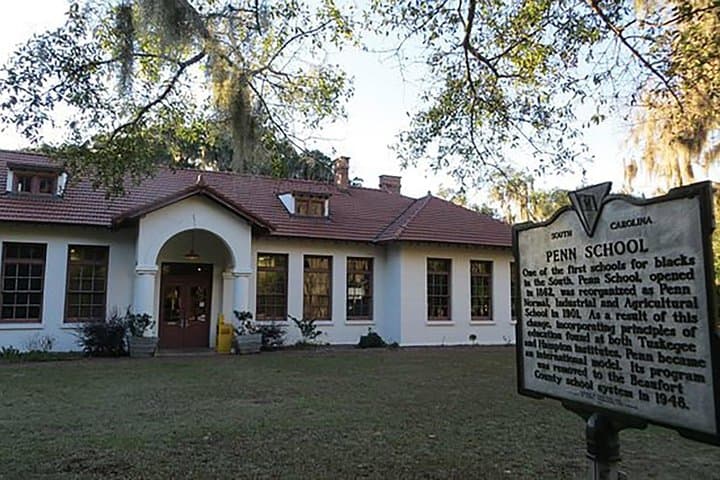
The pace is deliberate. You hop between Lady’s Island, St. Helena and Hunting Island — each stop a different shade of Lowcountry life. There are the ruined church walls that look like stage sets for a history you can almost hear: hymns, work songs and West African rhythms turned into the backbone of a community. The tour threads through the Penn Center historic site on St. Helena Island — one of the first schools for freed slaves — and you’ll find plaques, photographs and stories that anchor the Gullah-Geechee people to both continuity and survival.
Geology and geography here do more than set the scene; they shaped culture. The Sea Islands are the product of shifting barrier islands and sediment-laden tides. Marshes that flood twice daily nurtured the rice-and-ship economy of centuries past, which in turn concentrated enslaved West African labor and cultural practices in this corner of the Americas. Those cultural threads—language, foodways, craft—survived coastal storms, economic collapse and the long arc of emancipation. Today, Gullah-Geechee identity is expressed in everything from sweetgrass baskets woven near the water to call-and-response songs you can still hear at local ceremonies.
This is not a museum tour. It’s a landscape tour of people and place, where each stretch of road prompts context: why plantation architecture faces salt water; how tides dictated work and worship; where freedpeople built schools that became community anchors. Guides bring these intersections alive with local anecdotes and questions that make you re-evaluate what you thought you knew about the Lowcountry.
Practical side? The tour is compact and intentional — a three-hour, air-conditioned loop that covers multiple islands and stops, priced from about $52 per person. That makes it an ideal half-day outing if you’re based in Hilton Head Island or Beaufort and want a concentrated primer on local history. Since much of the experience happens beside roads, at historical sites and in viewpoints over marsh and ocean, footwear and sun protection matter more than technical gear.
Timing matters: go in spring or fall for mild temperatures and active birdlife; summer brings sultry heat and hurricane watch season; winter offers clearer skies but fewer interpretive staff at some sites. Expect intermittent cell service once you slide into the narrower parts of St. Helena or Hunting Island, which only deepens the sense of stepping out of time.
There’s a practical etiquette to this tour: shadowing a site’s cultural stewards is a privilege. Don’t touch artifacts, ask before photographing worship services or private ceremonies, and resist the impulse to treat communities like stage sets for your feed. If you’re curious about Gullah cuisine, ask your guide for a local spot to try shrimp and grits or benne wafers—taste is one of the clearest living ties to culture.
Why book it? For travelers who want context with their views, the Beaufort Gullah Heritage Tour stitches together coastal scenery with a clear historical throughline. It’s an accessible entry into Gullah-Geechee culture without overwhelming specialization; you’ll leave with names, places and a sense of continuity that makes future visits — to Penn Center, a sweetgrass basket maker, or a Lowcountry kitchen — richer. You can learn more and book this experience through a local expert who knows the islands: https://app.advcollective.com/local-experts/exploring-beaufort-gullah-heritage-tour-south-carolinas-sea-islands-culture-and-history.
If you go, bring curiosity as your primary gear: ask about architecture, listen for language patterns, and lean into the social geography the guide traces. The marshes will keep doing what they’ve always done — rise, fall, feed — but the human stories are the reason this landscape matters. For three hours, the Sea Islands open up into history, and when you step back into your car, the salt air feels like a new storyteller’s breath.
Trail wisdom
Small choices, better day.
Time your visit
Morning or late afternoon tours avoid the midday heat and make birdlife and light better for photos.
Sun and bug protection
Bring sunscreen, a wide-brim hat and DEET-free insect repellent for marshy stops.
Respect cultural sites
Ask before photographing ceremony or private property, and follow guide directions at historic landmarks.
Hydrate and sit comfortably
Carry a refillable water bottle—the tour is three hours and you’ll want hydration between stops.
Local knowledge
Read the place, not just the route.
Watch for native species including Brown pelican, Great blue heron.
Keep an eye out for wildlife during the transition between areas and habitats. Respect distance guidelines.
Many sites are on fragile barrier islands and marsh ecosystems—stick to marked paths, respect nesting areas, and pack out trash to protect both cultural and natural heritage.
Follow the guide's instructions on size limits, ethical handling, and leave-no-trace practices.
Sweetgrass basket makers’ studios tucked off St. Helena roads. Tidal creek pullouts with oyster shells and exposed marsh fiddler crab activity
Locally recommended viewpoints and quiet spots known best to local operators.
The Sea Islands were a distinct cultural zone where enslaved West Africans retained language and craft traditions that evolved into Gullah-Geechee culture after emancipation.
Maritime roots and regional tradition shape the waterways and working coasts.
Seasonal guide
Four versions of the same landscape.
Spring
Best forWildflowers and migrating birds · Comfortable temperatures
ChallengesOccasional rain · High pollen
Spring offers mild weather and active shorebirds; pack a light rain layer and binoculars for the marsh.
Summer
Best forLush green marshes · Long daylight hours
ChallengesHigh heat/humidity · Hurricane season risk
Summer is hot and humid—early tours are best; check forecasts during hurricane season.
Fall
Best forCrisp air and offshore visibility · Reduced crowds
ChallengesCooler mornings · Shortening daylight
Fall delivers comfortable temperatures and clear views—ideal for photography and walking stops.
Winter
Best forClear light and quiet sites · Lower humidity
ChallengesCooler temperatures · Limited staff at some sites
Winter brings cooler, drier days and fewer visitors, but some interpretive centers may have reduced hours.
Pack with intention
What to bring.
Good to know
Common questions.
The Beaufort Gullah Heritage Tour runs approximately three hours.
Plan the edges
The details that make the day easier.
The Penn Center on St. Helena Island began as the Port Royal Experiment school in 1862 and is one of the earliest educational institutions for formerly enslaved people in the United States.
After the tour, sample Lowcountry cuisine—shrimp and grits, she-crab soup, and benne wafers—at waterfront cafés in Beaufort or casual eateries on Hilton Head. Look for sweetgrass baskets and locally made preserves as take-home cultural souvenirs.
- Closest major airport
- Savannah
- Hilton Head International Airport (SAV). Driving distance
- ~45–60 minutes from Savannah, 20–30 minutes from central Hilton Head. Cell service: intermittent on smaller islands. Permits: none required for the tour itself; some historic sites may request modest admission.
These islands host fragile marsh and cultural sites—support local stewards by buying from community artisans, staying on marked paths, and packing out all trash.
Explore by topic
Follow the threads.
Keep exploring
Make the story part of the trip.
In four hours you can move from shaded canyon ferns to wind-scoured coastal ridgelines, guided by someone who knows where the light—and the hidden views—live. This private half-day hike on the Monterey Peninsula or Big Sur is compact, curated, and perfect for travelers who want depth without a multiday commitment.
 Related story
Beneath a sky of shifting light, Skaftafell’s ice reads like a map of time. This three-hour guided glacier hike mixes technical instruction with geology and culture: compact, safe, and unforgettable.
 Related story
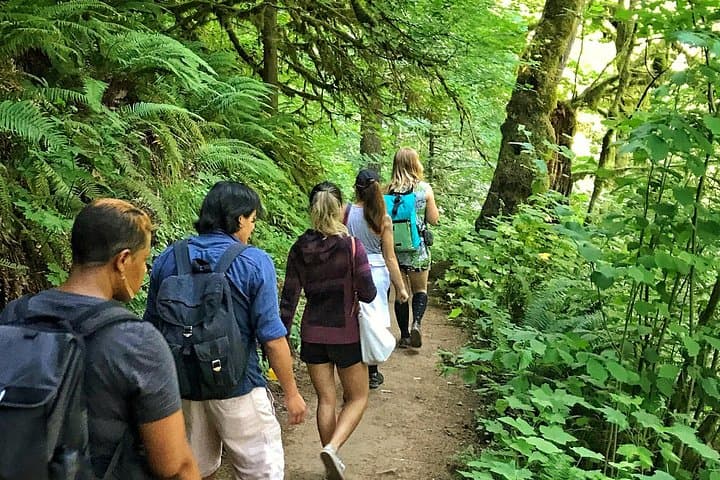
Lose the city for a few hours without leaving it: this 5-mile, 900-foot-gain Forest Park loop threads old-growth pockets, city viewpoints, and cultural landmarks for a compact taste of Portland’s wild side. Expect moss, roots, and stories.