
What the day feels like
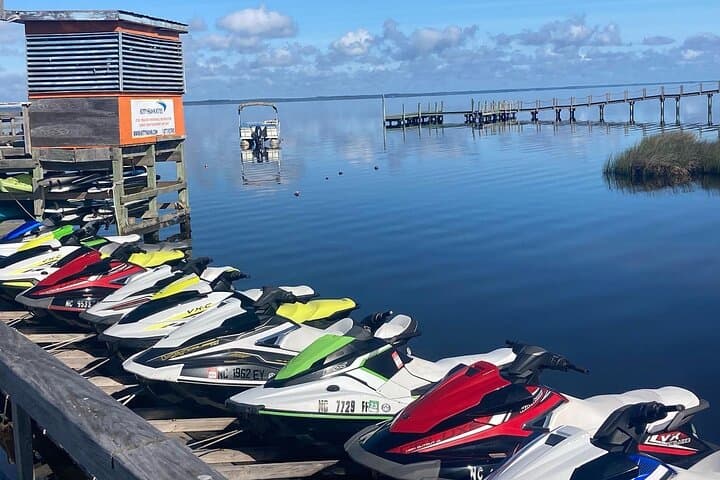
Morning arrives on the Roanoke Sound like a held breath—soft, wide and expectant. The sound looks flat from the shore, a mirror for a sky that could change on a whim. Then a wake breaks the calm, the Yamaha’s engine sings, and the world snaps into motion. In an hour you can be cutting across the shallow estuary, skirting marshy fingers of barrier islands, and feeling the sound dare you to go faster. That short, sharp rush is exactly why people book the <a href='https://app.advcollective.com/local-experts/outer-banks-jet-ski-rental-1-hour-waverunner-adventures-on-roanoke-sound'>Outer Banks Jet Ski Rental</a> out of Nags Head: it’s pure, immediate access to this place’s watery geometry.
The Roanoke Sound sits between the thin line of ocean-facing barrier islands and the older, calmer seams of the mainland. Geologically it’s a study in motion—sand migrating with the tides, shoals that rearrange after storms, and salt marsh that breathes with every season. Culturally, you’re riding across water that has been a highway for Native Americans, European explorers, and generations of commercial and recreational fishermen. Nearby Roanoke Island is famous for the 1587 English settlement that became the “Lost Colony,” and the legacy of maritime dependency and resilience still shapes the islands’ towns—Nags Head, Kill Devil Hills, Manteo—where seafood and small-boat knowledge remain central.
An hour on a three-person Yamaha WaveRunner is short enough to be accessible to a wide range of travelers and long enough to feel like a proper outing. The rental operator—located inside the town limits of Nags Head—runs well-maintained machines and offers an orientation before you throttle up. Expect a safety briefing, life jackets provided, and a suggested route through the sound’s calmer channels. In variable conditions you’ll average a spirited cruise; in calm weather you’ll glide, the WaveRunner skimming across flats with a satisfying hum.
Why choose jetskis here instead of a chartered boat? The answer is intimacy and agility. Jet skis let you thread narrower inlets and feel the wind and spray without the barrier of a cabin. They give you direct contact with the estuary: cormorants launch off pilings like thrown darts, dolphins cut curved arcs in the deeper lanes, and the marsh edges often smell faintly of brine and sea grass. It’s a sensory-rich way to learn the layout of the Outer Banks fast.
Practicalities are simple: the advertised tour is a 60-minute block (the operator offers instant confirmation for bookings), and prices start at $119. The itinerary is unstructured by design—ride leaders will point out safe zones and local hazards, but how aggressively you push is up to you. Typical cruising in an hour will cover roughly 6–12 miles depending on how much throttle you use and the weather. For many visitors that’s just right: enough distance to cross channels and find open water, but short enough to keep younger riders fresh and focused.
Safety tips are straightforward. Book a morning slot when the sound tends to be the glassiest and the wind is lightest. Leave valuables onshore in a dry bag or locker; even a briefly loosened phone can be gone. Wear reef-safe sunscreen and a hat with a chin strap—wind wants the hat more than you do. And listen to the briefing: local shoals move and marked channels exist for a reason.
For those who want a little history after the throttle is cut, the towns around the sound offer accessible culture. Manteo’s waterfront museums and Kill Devil Hills’ Wright Brothers National Memorial are within easy reach, and many local restaurants focus on the straightforward goodness of mid-Atlantic seafood—shrimp, flounder, and blue crab, often caught the same day. Bookings and local tips for routes and timing can be found via the operator’s booking page at <a href='https://app.advcollective.com/local-experts/outer-banks-jet-ski-rental-1-hour-waverunner-adventures-on-roanoke-sound'>Outer Banks Jet Ski Rental</a>.
Who should go? Anyone with moderate mobility and a tolerance for speed. Families with older kids, pairs who want a shared thrill, or solo travelers craving a concentrated dose of coastline will all find value. It’s also a good add-on for road-trippers who want to break up a driving loop with something kinetic and memorable. If you’re seeking a mellow nature tour, consider a kayak or a guided boat for a slower, closer-to-wildlife option instead.
Finally, think about timing. Late spring through early fall brings the warm water and stable weather that make this experience comfortable. Busy summer weekends fill up fast; a shoulder-season morning—June or September—gives you better light, cooler air, and often smoother water. Book in advance, arrive early for the safety talk, and let the sound do the rest: it will push you forward and return you to shore with a clean, simple thrill, salt in your hair and something like a small, happy exhaustion in your limbs. For a concentrated taste of the Outer Banks’ watery character, a WaveRunner hour across Roanoke Sound is hard to beat. Want to book or learn exact route suggestions? See the operator’s official page here: <a href='https://app.advcollective.com/local-experts/outer-banks-jet-ski-rental-1-hour-waverunner-adventures-on-roanoke-sound'>Outer Banks Jet Ski Rental</a>.
Trail wisdom
Small choices, better day.
Book a Morning Slot
Wind tends to pick up in the afternoon; morning launches are typically calmer and better for visibility.
Secure Small Items
Bring a waterproof pouch for your phone and keys or leave valuables onshore—saltwater makes loose items disappear fast.
Listen to the Safety Briefing
Operators will outline local shoals, marked channels, and safe speeds—follow them to avoid hazards.
Dress for Spray
Wear quick-drying layers and reef shoes—wet is inevitable and footwear helps on sandy ramps.
Local knowledge
Read the place, not just the route.
Watch for native species including Dolphin, Osprey.
Keep an eye out for wildlife during the transition between areas and habitats. Respect distance guidelines.
The sound’s marshes and seagrass beds are sensitive; keep speeds low near shorelines and avoid shallow grassbeds to prevent damage.
Follow the guide's instructions on size limits, ethical handling, and leave-no-trace practices.
Early-morning flat-water crossings near Pea Island for birdlife. Short cruise to the shallow flats by Roanoke Island for shell-scouting
Locally recommended viewpoints and quiet spots known best to local operators.
The nearby Roanoke Island is the site of the 1587 English 'Lost Colony', and the Outer Banks have long been a maritime crossroads for fishing and trade.
Maritime roots and regional tradition shape the waterways and working coasts.
Seasonal guide
Four versions of the same landscape.
Spring
Best forMigratory bird watching · Cooler, less crowded rides
ChallengesUnpredictable wind · Cooler water temperatures
Spring offers quieter waterways and good wildlife viewing, but be ready for variable winds and brisk water.
Summer
Best forWarm water · Long daylight hours · Family outings
ChallengesCrowded weekends · Higher UV exposure
Summer is peak season—ideal for swimming stops and warm afternoons, but plan around crowds and sun protection.
Fall
Best forCalmer seas · Clear air and light winds
ChallengesShortening days · Breezier late afternoons
Early fall balances warmth with thinner crowds; mornings are often glassy and ideal for cruising.
Winter
Best forSolitude · Dramatic light and skies
ChallengesCold water and air · Limited services
Winter rentals are rare but possible on mild days—dress warmly and expect limited local services.
Pack with intention
What to bring.
Good to know
Common questions.
This experience is a 60-minute rental block with a pre-ride safety briefing and life jackets provided.
Plan the edges
The details that make the day easier.
Roanoke Island was the site of the 1587 English settlement known as the 'Lost Colony', one of the earliest English attempts to settle North America.
After your ride, head into Nags Head or nearby Manteo for locally caught seafood and a cold beer; the towns emphasize fresh, simple fare and casual, dockside atmospheres.
- Closest airport
- Norfolk (ORF) ~1.5–2 hours drive; Launch point: Nags Head town limits; Driving distance: under 10 minutes from central Nags Head hotels; Cell service: intermittent on open water; Permits: none required for short-term rentals
This estuary contains fragile seagrass and marsh habitat—observe no-wake zones near shore, pack out all trash, and use reef-safe sunscreen.
Explore by topic
Follow the threads.
Keep exploring
Make the story part of the trip.
In four hours you can move from shaded canyon ferns to wind-scoured coastal ridgelines, guided by someone who knows where the light—and the hidden views—live. This private half-day hike on the Monterey Peninsula or Big Sur is compact, curated, and perfect for travelers who want depth without a multiday commitment.
 Related story
Beneath a sky of shifting light, Skaftafell’s ice reads like a map of time. This three-hour guided glacier hike mixes technical instruction with geology and culture: compact, safe, and unforgettable.
 Related story
Lose the city for a few hours without leaving it: this 5-mile, 900-foot-gain Forest Park loop threads old-growth pockets, city viewpoints, and cultural landmarks for a compact taste of Portland’s wild side. Expect moss, roots, and stories.