

What the day feels like
The engine coughs to life and the valley exhales. Atop a low saddle you feel the rock around you—soft tuff carved into chimneys, cones and honeycombed cliffs—and the machine beneath your hands hums like a small, impatient animal. A minute later the singletrack dives, and the landscape opens like an amphitheater: ochres, rusts and pale pumice under a sky that pulls your eyes toward the hot-air balloons floating like slow-winged ships at a polite distance.
This is Cappadocia on an ATV, and in sixty minutes—fast enough to feel earned but short enough to leave you wanting more—you move through geology, history and human-made oddities. The tour threads hidden valleys and cave settlements around Göreme, where volcanic ash hardened into tuff millions of years ago and wind and rain whittled it into surreal sculptures known locally as fairy chimneys. Your guide points out a crumbling dovecote, an ancient footpath, a chapel hollowed into a wall. Every turn feels curated for the camera and calibrated for the rider: pockets of silence, cinematic ridgelines, and stretches of dusty wash where the machine dares you to lean in.
Cappadocia is a palimpsest. Hittites, Byzantines, and later Anatolian settlers left rock-cut churches and cave homes; caravans and farmers carved storage rooms and pigeon houses into soft stone. The Göreme Open-Air Museum—just outside the village—is a UNESCO World Heritage site and a reminder that the region isn’t just otherworldly scenery, it’s been a lived-in landscape for millennia. Riding an ATV here is an accelerated way to read those layers: you’ll pass shepherd tracks, abandoned cave dwellings, and modern vineyards in the space of a morning.
Geologically speaking, the valleys you cross were born of eruption and erosion. The region’s three central volcanoes—Erciyes, Hasan and Melendiz—dumped ash across the basin about 10–3 million years ago; the ash compressed into tuff and later eroded into the cones and spires that define Cappadocia today. Human hands then shaped that same soft rock into towns, churches and storage caverns, so what you ride between is both monument and material.
Culturally, Cappadocia is a meeting ground of Anatolian food and folkloric tradition. After a ride, locals will insist you try pottery kebab—meat slow-baked in a sealed clay pot—or a strong black tea poured into tulip-shaped glasses. In Göreme, family-run restaurants like Dibek and Seten serve dishes that taste like place: smoky, spiced and resilient.
The practical part of this adventure is refreshingly straightforward. The standard Viator option is a 60-minute guided ride, available as a daytime loop or a sunset tour that staggers light and shadow across the chimneys. The route typically covers 8–12 kilometers of mixed terrain with intermittent climbs and loose gravel; cumulative elevation gain is modest (roughly 150–300 meters), but the singletrack demands attention. Safety gear and a brief training session are included, and hotel transfers from Göreme make the logistics painless. Expect to pay from around $31 USD per rider, depending on season and discounts.
Who is this for? The tour is beginner-friendly—guides tailor the pace and give basic handling instruction—but anyone looking for a more deliberate, slower interaction with the landscape should consider a hike or a horseback ride instead. Bring sensible footwear, a jacket for early mornings or dusk, and a camera with a wide lens: the valleys favor sweeping compositions.
Timing matters. Sunset rides are the showier option—gold spills across the rock and the balloons glow like lanterns—but midday light is cleaner for detail and color. Spring and fall offer the best temperatures; summer turns the exposed trails into a sunbaked workout, and winter brings crisp air and, occasionally, dustings of snow that transform the chimneys into a quiet, high-contrast tableau.
The environmental etiquette is simple: stay on designated tracks, don’t climb fragile formations, and respect local agriculture and cave homes. The soft tuff erodes easily under off-route traffic, so a responsible ride keeps the wheels where the guides place them.
At the end of an hour you’ll be back where you started, helmet removed, cheeks warm from sun and velocity. There’s a satisfaction that’s both childish and clear-headed: you’ve threaded a machine through ancient stone, traveled faster than a foot but slower than a car, and seen corners of Cappadocia most tourists miss. Then comes the question that makes this place addictive: do you go again, at sunset next time, or take a longer route into a valley you only glanced at? The answer is usually both.
Trail wisdom
Small choices, better day.
Practice the basics first
Arrive 15 minutes early to get a hands-on safety briefing and a short practice loop—basic throttle control and braking will improve your confidence on loose surfaces.
Choose sunset for drama
If you want big color and balloon silhouettes, book the sunset run; expect cooler temperatures and bring a warm layer.
Protect your camera
Use a neck strap or chest mount—dust is omnipresent on dry days and lens cleaning kits are worth bringing.
Stay on the track
Guides pick routes that minimize erosion and respect private farmland—off-track riding damages fragile tuff and local crops.
Local knowledge
Read the place, not just the route.
Watch for native species including Anatolian ground squirrel, Eurasian kestrel.
Keep an eye out for wildlife during the transition between areas and habitats. Respect distance guidelines.
The tuff rock erodes easily; stick to designated tracks, support operators that limit group sizes, and pack out all trash to minimize impact.
Follow the guide's instructions on size limits, ethical handling, and leave-no-trace practices.
Love Valley viewpoint for intimate chimney clusters. A short detour to Cavusin village’s stone houses and abandoned church
Locally recommended viewpoints and quiet spots known best to local operators.
Göreme and its surrounding rock-cut churches are part of a UNESCO World Heritage Site, reflecting centuries of Byzantine-era monastic life.
Maritime roots and regional tradition shape the waterways and working coasts.
Seasonal guide
Four versions of the same landscape.
Spring
Best forWildflowers and mild temperatures · Photography with softer light
ChallengesOccasional spring showers · Variable early-morning temps
April–May brings comfortable riding temperatures and green accents in the valleys—an ideal balance of weather and scenery.
Summer
Best forLong daylight hours · Clear skies for wide vistas
ChallengesHot mid-day temperatures · Dusty trails and sun exposure
June–August can be hot and dry; ride early or late to avoid heat and bring extra water and sun protection.
Fall
Best forCrisp air and golden light · Fewer crowds than summer
ChallengesCool evenings, variable wind · Some seasonal closures for agriculture
September–October offers stable weather and rich color—sunset tours are especially rewarding.
Winter
Best forSnow-dusted landscapes · Empty trails for solitude
ChallengesCold temperatures, icy sections · Shorter daylight hours
Winter transforms Cappadocia with contrast—riding is possible but expect cold mornings and occasional slick spots.
Operator details
What the booking data adds.
Included
- ✓Hotel pickup and drop-off
- ✓Professional guide
- ✓Fully automatic ATV (single or double)
- ✓Helmet & safety briefing
Good to know
- ✓Not recommended for travelers with spinal injuries
- ✓Not recommended for pregnant travelers
- ✓Not recommended for travelers with poor cardiovascular health
- ✓Suitable for all physical fitness levels
Pack with intention
What to bring.
Good to know
Common questions.
No; this tour is designed for beginners and includes a short handling briefing—guides will adjust speed and route to rider ability.
Plan the edges
The details that make the day easier.
The Göreme Open-Air Museum was inscribed as a UNESCO World Heritage Site in 1985 for its rock-cut churches and frescoes carved into the soft tuff.
After a ride, head to a family-run restaurant in Göreme for pottery kebab and a glass of local Anatolian wine. For a casual stop, sip Turkish tea at a terrace café and watch the balloon traffic; visit a small carpet or pottery workshop to connect with local craft traditions.
- Closest airports
- Nevşehir Kapadokya Airport (NAV) ~40 km; Kayseri Erkilet Airport (ASR) ~75 km. Typical meeting
Cappadocia’s soft tuff erodes quickly—use operators that stay on established routes, respect cave dwellings, avoid littering, and support local businesses to keep tourism benefits in the community.
Explore by topic
Follow the threads.
Keep exploring
Make the story part of the trip.
In four hours you can move from shaded canyon ferns to wind-scoured coastal ridgelines, guided by someone who knows where the light—and the hidden views—live. This private half-day hike on the Monterey Peninsula or Big Sur is compact, curated, and perfect for travelers who want depth without a multiday commitment.
 Related story
Beneath a sky of shifting light, Skaftafell’s ice reads like a map of time. This three-hour guided glacier hike mixes technical instruction with geology and culture: compact, safe, and unforgettable.
 Related story
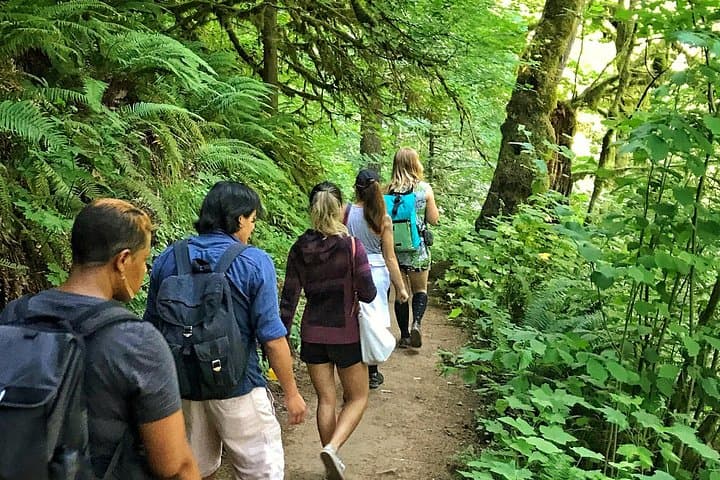
Lose the city for a few hours without leaving it: this 5-mile, 900-foot-gain Forest Park loop threads old-growth pockets, city viewpoints, and cultural landmarks for a compact taste of Portland’s wild side. Expect moss, roots, and stories.