
What the day feels like
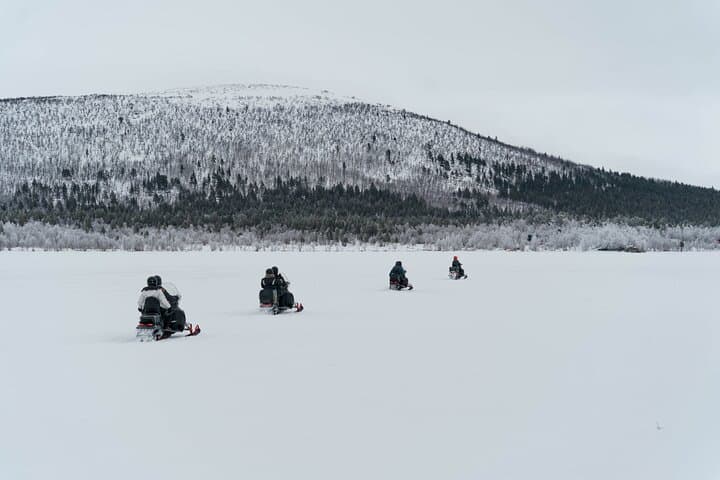
The river is a mirror at first—flat, glassy snow interrupted only by the long, low shadows of lichen-covered pines. Then the machines come alive: a tight group of four snowmobiles and a guide who knows these plains like the backs of his hands. You can feel the river’s pulse under your skis as the sleds puncture it, an audible crunch that answers the silence. Within minutes the hum of the engines replaces the hush, and the landscape opens: skeletal birch, wind-swept drifts, and ridgelines that seem to roll toward the sky. This is Swedish Lapland at its bluntest and most accessible, and a day on the frozen Torne River—starting from Kiruna—delivers an immediacy that sitting in a van can’t touch.<a href='https://app.advcollective.com/local-experts/explore-swedish-lapland-thrilling-snowmobile-tour-frozen-torne-river'> The Snowmobile Tour in Kiruna</a> is built for clarity: small groups, a mix of driving and pillion options, photo stops at dramatic viewpoints, and a mid-ride pause for warm drinks and traditional Swedish snacks. It’s short enough to be done in a single morning or afternoon yet long enough to reach corners of Lapland few visitors see.
Geology and history leave fingerprints here. The Torne River—part of a network of glacial meltwater channels carved during the last Ice Age—flows like a memory through the landscape. The terrain around Kiruna sits on bedrock rich with iron ore, which is the reason the town exists and the reason it’s literally being moved—parts of Kiruna are being relocated due to expanding mining operations. Above that human story is older still: the Sami people who have tended reindeer here for centuries. Guides often point out heart-shaped reindeer prints and the wide, blunt hoof marks of a moose as if reading a map written in snow.
Aesthetic rewards arrive in quick succession. Low-angled light in winter slants across the snow, making every drape and ridge legible. From the wide openness of the frozen river you can see how local weather sculpts the land—wind rows, cornices, and the occasional stretch of black ice where the current pressed thin and the snow blew away. Wildlife is part mystery, part practicality; you’ll be scanning for tracks as much as for the animals themselves. Reindeer and hares are common, foxes leave faint, erratic paths, and owls can be heard before you see them. The silence you left at the trailhead returns when the engines stop, and that pause is one of the tour’s most memorable sensations.
Practicality is baked into the experience. The ride lasts roughly three to three and a half hours, with pickup at hotels in central Kiruna and a short transfer to the river. Snowmobiles are provided and you’ll be shown how to handle the throttle, brake, and simple safety checks; novices can share machines if they prefer. Because the group is intentionally small—just four sleds and a guide—there’s flexibility: the pace can be brisk for the experienced, or easy and social for those who want to stop frequently for photos and explanation.
Safety and respect shape the route. The guide reads the river like a book—evaluating ice thickness, avoiding pressure ridges and open leads, and watching for spoken and unspoken signs of wildlife. Dress in insulating layers; wind on a snowmobile will cut through single garments quickly. Bring a camera with an extra battery (cold drains them fast) and a small daypack with water and snacks. The operator offers hot drinks and traditional snacks during a planned stop, which is as much a cultural moment as it is a practical one: think warm broth, sticky buns, and conversation about winter life above the Arctic Circle.
Why book this? It’s compact adventure with big returns: you cover ground that would be day-long cross-country treks in hours; you get wildlife-readings from guides who know the area; and you have the chance—weather permitting—to watch the northern lights rip the sky if your tour runs late enough. For photographers and the curious alike, the frozen Torne is a living classroom. The operator’s small-group philosophy also means quieter travel and a smaller footprint, an important consideration in fragile Arctic environments.
For planning: aim for late winter—February into March—when ice is thickest and daylight is comfortable. Expect basic but reliable facilities; the day starts and ends in town, so there’s no need to carry overnight gear. Book in advance; this tour is new on the Viator platform and mornings can fill during peak northern lights season. Finally, be ready to slow down. The best moments on the river are not the highest speeds but the sudden stops: a guide pointing to a reindeer track, a cloudberry patch seen from a distance, steam rising from hot cups as light leaks across a wide plain.
If you want an introduction to Arctic travel that’s immediate but still grounded in local knowledge, the trip delivers. It’s one part machine, one part landscape literacy, and one part cultural taste—served hot and breath-visible under a wide Scandinavian sky. For photographers, it’s a chance to make wide-format winter frames; for families, it’s an easy-to-join day with a clear route and clear returns. And for the rest of us? It’s a reminder that in places like Kiruna, the wilderness is not something to pass through—it’s something to read and respect.
Trail wisdom
Small choices, better day.
Layer for wind
Wear a windproof outer layer and insulating mid-layers—wind chill from the sled is the real cold.
Protect your camera battery
Keep an extra battery close to your body to preserve charge; cold drains lithium cells fast.
Listen to your guide
Guides monitor ice and wildlife—follow their instructions for safe routes and respectful viewing.
Hydrate and snack
Cold suppresses thirst; sip warm fluids during the stop and carry high-energy snacks.
Local knowledge
Read the place, not just the route.
Watch for native species including Reindeer, Arctic fox.
Keep an eye out for wildlife during the transition between areas and habitats. Respect distance guidelines.
Operators follow marked routes and limit group sizes to reduce disturbance—respecting reindeer grazing areas and keeping distance from wildlife helps minimize impact.
Follow the guide's instructions on size limits, ethical handling, and leave-no-trace practices.
Stop at a shallow river bend where wind-polished ice creates natural mirrors for sunrise photos. Ask guides about nearby Sami summer camps for cultural context (viewing from a respectful distance)
Locally recommended viewpoints and quiet spots known best to local operators.
Kiruna grew around rich iron ore deposits in the late 19th and early 20th centuries and is currently undergoing a planned relocation due to mining.
Maritime roots and regional tradition shape the waterways and working coasts.
Seasonal guide
Four versions of the same landscape.
Spring
Best forThicker ice conditions · Longer daylight · Photographing late winter light
ChallengesUnstable melt spots later in season · Variable temps
Late winter into early spring (Feb–Mar) offers stable ice and increasing daylight—ideal for longer daylight rides.
Summer
Best forN/A for this activity · N/A
ChallengesNo ice; tour does not operate · Different experiences available in summer
Snowmobile tours on the Torne River do not run in summer—visit for hiking and river canoeing instead.
Fall
Best forAurora season begins later in the year · Quiet shoulder-season tourism
ChallengesThin ice or inconsistent snow · Limited operations in early/late season
Early/late fall is transitionary; check operator schedules as operations depend on reliable ice.
Winter
Best forSnowmobiling · Northern lights viewing · Arctic wildlife track-spotting
ChallengesExtreme cold spells · Short daylight in mid-winter
Deep winter provides consistent snow and ice—peak season for snowmobiling and Arctic experiences.
Operator details
What the booking data adds.
Included
- ✓We will provide boots, an overall, gloves and a helmet.
Good to know
- ✓Not recommended for travelers with spinal injuries
- ✓Not recommended for pregnant travelers
- ✓Not recommended for travelers with poor cardiovascular health
- ✓Travelers should have at least a moderate level of physical fitness
Pack with intention
What to bring.
Good to know
Common questions.
No prior experience is required—guides provide instruction and novices can share machines if preferred.
Plan the edges
The details that make the day easier.
Kiruna is Sweden's northernmost town and is undergoing a multi-year relocation project because of subsidence from the nearby iron ore mine.
After the ride, warm up with a plate of suovas (Sami smoked reindeer) and cloudberry jam at a local cafe, or head to Camp Ripan for a hearty stew and views; Kiruna’s compact center has a handful of cozy pubs where you can swap photos and route stories with locals.
- Closest airport
- Kiruna Airport (KRN)
- Trailhead
- short transfer from central Kiruna (approx. 30–45 min)
- Driving distance from town
- ~40 km max depending on river access point
- Cell service
- reliable in town, intermittent on the river
- Permits
- none typically required for guided tours
Choose operators that keep group sizes small and stick to established routes; avoid chasing wildlife, respect Sami grazing areas, and pack out all trash.
Explore by topic
Follow the threads.
Keep exploring
Make the story part of the trip.
Set out from Bass Harbor for a private, customizable day on Blue Hill Bay — lighthouses, puffins, seals, and the chance to feel Acadia from the water. Small groups, local captains, unforgettable views.
In four hours you can move from shaded canyon ferns to wind-scoured coastal ridgelines, guided by someone who knows where the light—and the hidden views—live. This private half-day hike on the Monterey Peninsula or Big Sur is compact, curated, and perfect for travelers who want depth without a multiday commitment.
 Related story
Beneath a sky of shifting light, Skaftafell’s ice reads like a map of time. This three-hour guided glacier hike mixes technical instruction with geology and culture: compact, safe, and unforgettable.