
What the day feels like
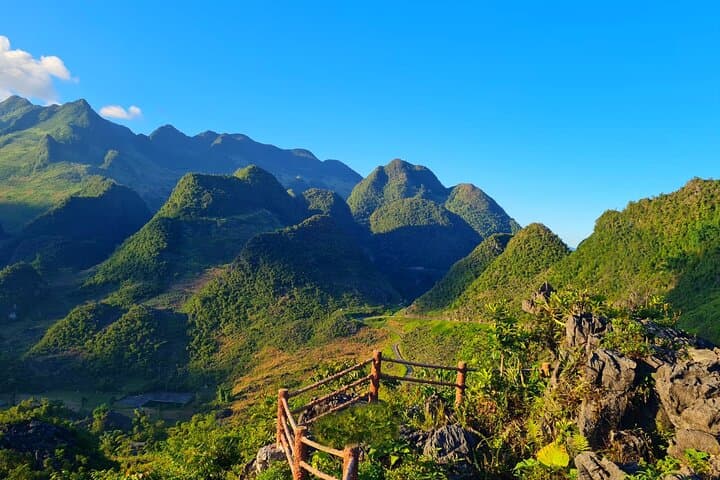
The engine thumps like a heartbeat beneath your thighs as the valley exhales morning mist. Rice terraces glow pale green, stacked like steps to the sky; limestone teeth of the Dong Van Karst Plateau cut clean silhouettes against a widening blue. Around a blind corner the world opens onto the Ma Pi Leng Pass and the Nho Que River far below, a ribbon of jade daring you to lean forward and look. This is Ha Giang: a place where roads curve into other lives, and a three-day motorbike tour tightens time so you can taste it all.
The Ha Giang Loop has earned a reputation—part pilgrimage, part postcard—and for good reason. The route threads through northern Vietnam’s most dramatic geology and a mosaic of ethnic minority communities: Hmong, Dao, Tay, and more. The karst plateau here is not an accidental backdrop. It’s the product of tectonic uplift and millennia of limestone weathering, the same forces that shaped the jagged ridgelines and deep, glacial-carved valleys visitors now cross within a single day.
History and culture are folded into the landscape. Ancient trade routes bridged these passes; hilltribe markets—still vibrant—traded salt, horses, and woven goods that carried value beyond currency. Homestays on this tour open that living history, letting travelers sit at shared wooden tables for bowls of com lam (bamboo-cooked rice) and corn wine, and listen as elders recount how the plateau shaped their seasons and stories.
But Ha Giang is not simply a backdrop to be observed. It exerts its own force—the roads demand attention, weather changes on an incline, and the mountains have a mood. That’s why this private 3-day motorbike tour matters: it removes the logistics friction—drivers who know the routes, homestays pre-arranged, meals handled—so you can focus on what the landscape asks of you: deliberate curves, patient stops, and a steady throttle.
What you’ll cover in three days is compact and intense. The loop’s mileage varies by route, but expect roughly 300–350 km of mountain roads across three days with elevation swings from a few hundred meters to about 1,400–1,600 m on the karst plateau. Terrain alternates between narrow asphalt ribbons, rough patches of gravel, and occasional unpaved stretches—so the rhythm of the ride is alternatingly quick and thoughtful. Key highlights: the panoramic highlands of the Dong Van Plateau, the dizzying sweep of Ma Pi Leng Pass, and the deep gorge carved by the Nho Que River.
Day-to-day is practical and simple: mornings start early to chase light and calm traffic; afternoons give space for markets and village walks; evenings settle into homestays where food and local conversation are the reward. Drivers on private tours are accustomed to varying rider experience—whether you ride pillion and watch the scenery or take a turn on the throttle, the guide calibrates pace and safety.
Safety is not a buzzword here; it’s a practice. Roads are narrow and often lack guardrails. Weather can move from bright sun to heavy rain in an hour, and mist can shroud switchbacks. Helmet, gloves, and a rain layer are not optional. Give yourself time—don’t rush to check off every viewpoint; stop where the road and light invite you to linger.
Practical details: the tour runs three days (72 hours) and is offered with instant confirmation. Price starts from about USD 205. It bundles transport logistics, homestays, and many meals, removing the need to haggle for rooms or map out mountain roads. The closest city base is Ha Giang town, the logical place to start or end: think of it as your logistics hub for fuel, last-minute supplies, and a final bowl of pho before you ride out.
Timing your trip matters. Autumn (September–November) generally delivers clearer skies and the gold of ripening rice terraces; spring brings peach and plum blossoms; summer turns hills lush but brings afternoon storms. Whatever the season, ride early, hydrate, and give your driver the last word on when conditions demand caution.
A few spots deserve extra patience: a viewpoint on Ma Pi Leng for the canyon’s scale at golden hour; a small roadside market where Hmong textiles are still woven by hand; a cliffside stop to listen to the wind move through the karst. Photography rewards a slow eye—use wide lenses for canyon vistas and a fast prime for market portraits; ask before shooting people.
Ha Giang is not about conquering miles; it’s about compressing experience. You’ll come away with the adrenaline of tight passes and the quiet of shared dinners in homestays. The roads will have taught you to read a landscape in a mirror, in the cadence of engine and gear. And the people—hosts, drivers, market vendors—will have offered access to a place that resists simple tourism.
If you go, treat the loop with respect. Pack layers, prepare mentally for changing conditions, and honor local customs in homestays and markets. Leave space in your schedule for a slower stop—maybe a tea with an elderly Tay woman, or an unplanned climb for a sunset. That’s where the Ha Giang Loop stops being a route and starts being a series of stories you can bring home.
The three-day motorbikes adventure is efficient by design: it saves the headaches of arranging transport, negotiating accommodations, and navigating language barriers, while still giving you enough time on the pedals and at the table to understand why riders keep returning. Whether you’re a first-time pillion or a seasoned rider, Ha Giang rewards humility and curiosity. The road asks you to slow down and look. It’s a good request to answer.
Trail wisdom
Small choices, better day.
Wear a certified helmet
Always wear a full-face or modular helmet—operators typically provide them but bring your own for the best fit and protection.
Hydrate and snack frequently
Mountain riding is more tiring than flat roads; sip water often and carry easy snacks to maintain focus.
Expect changing weather
Pack a compact rain shell and warm midlayer—conditions can shift rapidly with elevation.
Give way to local traffic
Slow for slow-moving vehicles, herd animals, and market activity; local drivers are used to sharing narrow roads.
Local knowledge
Read the place, not just the route.
Watch for native species including Silver pheasant, Macaque species.
Keep an eye out for wildlife during the transition between areas and habitats. Respect distance guidelines.
Travelers should avoid disturbing karst outcrops and culturally sensitive sites; support local homestays to ensure economic benefits remain with the community.
Follow the guide's instructions on size limits, ethical handling, and leave-no-trace practices.
Small weekday hilltribe markets (ask your guide for timing). A quiet overlook near the Nho Que river below Ma Pi Leng for sunset reflections
Locally recommended viewpoints and quiet spots known best to local operators.
The Dong Van Karst Plateau is an ancient geological region where trade routes and hilltribe cultures have intersected for centuries.
Maritime roots and regional tradition shape the waterways and working coasts.
Seasonal guide
Four versions of the same landscape.
Spring
Best forBlossom viewing · Milder temperatures · Quieter roads
ChallengesOccasional fog · Cool nights
Spring brings peach and plum blossoms and comfortable riding temperatures, though early mornings can be misty.
Summer
Best forLush green valleys · Rice terraces growing · Fewer tourists
ChallengesAfternoon storms · Slippery road sections
Summer turns hills verdant but expect heavy, localized downpours and occasional washouts on secondary roads.
Fall
Best forClear skies · Golden rice terraces · Stable conditions
ChallengesCooler nights · Higher weekend crowds
Autumn is ideal for clear vistas and golden paddies—temperatures are comfortable but nights can be chilly.
Winter
Best forCrisp views · Low humidity · Off-season solitude
ChallengesCold at high elevations · Potential for snow or frost
Winters are dry with excellent visibility, but high-elevation stretches can be cold and sometimes icy.
Operator details
What the booking data adds.
Included
- ✓Gasoline/petrol
- ✓2 nights accommodation
- ✓All entry fees and Taxes
- ✓Lunch
- ✓Dinner
- ✓Breakfast
- ✓English, Vietnamese, Dzao and Hmong speaking guides
- ✓Self-automatic motorbike (have international motocycle license or pay extra for rent driver)
- ✓Safety equiptments, helmet, rain coat
Not included
- —$37 for a return ticket from Hanoi at night and dinner at our hotel in Ha Giang
- —Pay $22/per/day for rent driver( if you can't drive or don't have international motycycle licence)
Good to know
- ✓Public transportation options are available nearby
- ✓Infants are required to sit on an adult’s lap
- ✓Not recommended for travelers with spinal injuries
- ✓Not recommended for pregnant travelers
- ✓Not recommended for travelers with poor cardiovascular health
- ✓Travelers should have at least a moderate level of physical fitness
Pack with intention
What to bring.
Good to know
Common questions.
No—this private tour provides experienced drivers so you can choose to ride pillion or take the bike depending on your comfort and license.
Plan the edges
The details that make the day easier.
The Dong Van Karst Plateau, which the Ha Giang Loop traverses, was designated a UNESCO Global Geopark in 2010 for its unique karst landscapes and biodiversity.
After a day on the pass, head back to your homestay table for com lam (bamboo rice) and local grilled fish, or stop in Ha Giang town for fresh pho and a cold local beer; visit a hilltribe market to pick up handwoven textiles and support community artisans.
- Closest airport
- Noi Bai International Airport (Hanoi)
- Driving distance
- ~300 km from Hanoi to Ha Giang town (~6–8 hours)
- Trailhead
- Ha Giang town
- Cell service
- Patchy on mountain passes
- Permits
- None typically required
- Cancellation
- Free cancellation available with this product.
Ha Giang’s karst ecosystems are fragile—pack out trash, avoid leaving food scraps near waterways, and prioritize locally run homestays and markets to keep tourist income in the community.
Explore by topic
Follow the threads.
Keep exploring
Make the story part of the trip.
Set out from Bass Harbor for a private, customizable day on Blue Hill Bay — lighthouses, puffins, seals, and the chance to feel Acadia from the water. Small groups, local captains, unforgettable views.
In four hours you can move from shaded canyon ferns to wind-scoured coastal ridgelines, guided by someone who knows where the light—and the hidden views—live. This private half-day hike on the Monterey Peninsula or Big Sur is compact, curated, and perfect for travelers who want depth without a multiday commitment.
 Related story
Beneath a sky of shifting light, Skaftafell’s ice reads like a map of time. This three-hour guided glacier hike mixes technical instruction with geology and culture: compact, safe, and unforgettable.