
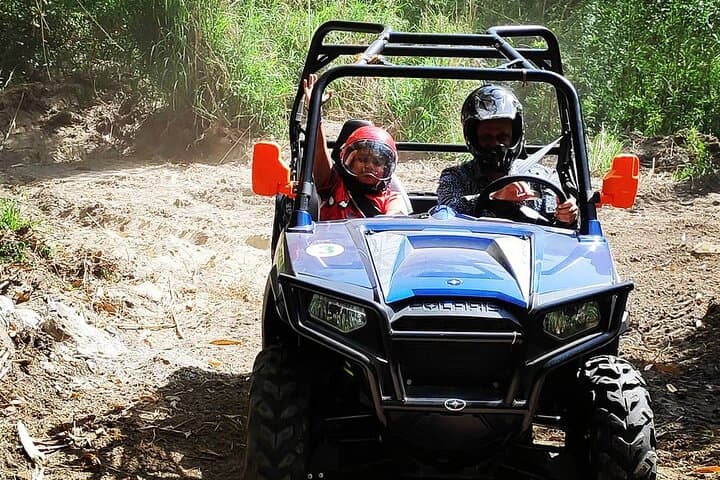
What the day feels like
You can feel the tea gardens before you see them: a faint, earthy sweetness that rides the cool Himalayan wind, and the slow geometry of terraces stepping down the slope. The RZR growls to life beneath you, a portable engine of possibility, and for the next hour you’re not just watching the Kangra Valley pass — you’re negotiating it. A narrow ridge, a sudden bowl of forest, an exposed rocky switchback: each moment asks you to drive deliberately. The ride is short — three kilometres by route, about 60–120 minutes with instruction, photo stops and a quick tea at the end — but it’s dense with sensory change: pine resin on your gloves, the taste of altitude at around 1,200–1,500 metres, and sweep-after-sweep views back toward the Dhauladhar range.
Palampur sits in the Kangra Valley, the amphitheatre to a long, layered history. Tea plantations laid out during the British Raj still pattern the hills; below them, villages and small dhabas have adapted to a tourist rhythm that picks up when mountain weather is kind. The valley’s geology — folded sedimentary rock uplifted by the collision of the Indian plate with the Tibetan block — makes for a terrain that’s abrupt and beautiful. Hollowed channels and bouldered streams carve the off-road trails where the RZR shines: a machine built for the push and pull of uneven ground and quick directional changes.
There’s also a human geography that frames the ride. Dharamsala and nearby McLeod Ganj, with their Tibetan exile community and bright prayer flags, sit a short drive away; you can stitch a few hours of adrenaline into a longer cultural day that ends with momos and a pot of Kangra tea. Locals who manage the rides know the land intimately — where the soil will churn, which switchbacks wash out in the monsoon, which ridgetops promise the cleanest light for photos. They’ll brief you on technique, hand you a helmet, and point out hidden viewpoints you’d miss on your own.
Why book a 3-km RZR ride when the valley begs to be walked? Because this compresses a landscape into an immediate, physical line. You get the thrill of speed without the commitment of a full-day trek; you access upper benches of the tea gardens that are otherwise private; you share an experience that’s easy to scale for couples, families, or solo travelers who want a sharp hit of adventure between longer hikes and cultural stops.
Practical realities matter here. The route is short but technical: expect loose gravel, narrow forest tracks, and a couple of quick ascents and descents. The ride is guided, and most operators require a brief instruction and safety check before you go. Age and weight limits vary by operator; check ahead. Gear is minimal but important — a helmet and goggles, closed-toe footwear, and a light layer for wind protection will shift the ride from uncomfortable to downright fun. And timing is everything: mornings and late afternoons deliver the best light and avoid midday dust; monsoon season (July–August) can make the trails slippery and parts impassable.
For planners, the ride is generous on logistics. The experience typically runs 60–120 minutes, costs in the neighborhood of USD 50–60 per person, and is sold with instant confirmation and free cancellation in many cases. Operators pick up from nearby hotels in Palampur or Dharamsala or meet at a central trailhead. Because cell service is patchy on certain ridges, share a meeting point and an emergency contact ahead of time. If you’re traveling from outside India, fly into Gaggal (Dharamsala) Airport and allow 45–90 minutes driving time depending on traffic and which hill you’re aiming for.
On the ground, move at your own pace. Let the guide set the line and ride with intention; off-road driving is mostly about balance and anticipation, not brute force. Pause for the views: the valley opens in a series of tableaux, and there’s a particular satisfaction in stepping out of a machine into the silence of a tea field. When the ride ends, seek out local tea — Palampur is often called the tea capital of North India — and try a cup that tastes of the place: brisk, vegetal, and slightly sweet. The taste is an immediate postscript to the day’s motion.
This is a machine-led way of seeing the Kangra Valley, but it’s also a gateway: a short RZR loop can inspire a longer exploration of nearby trails, a hike to a tea-estate homestay, or a slow afternoon in Dharamsala’s cafes. It’s accessible, packable into a half day, and forgiving enough for novice drivers while still delivering a staccato of adrenaline for those who want to push a little harder.
If you go, arrive curious and prepared. Respect the tea gardens — don’t steer into planted rows or trespass on private property — and carry small change to tip your local guides if they point out a particularly photogenic vista or help you navigate a tricky descent. Whether you’re a couple looking for a brisk shared thrill or a family wanting a controlled dose of off-road adventure, a 3-km RZR ride in Palampur is an efficient, vivid way to meet the Kangra Valley on its own terms.
Trail wisdom
Small choices, better day.
Arrive early for best light
Book a morning or late-afternoon slot to avoid dust and capture cleaner views of the Dhauladhars.
Wear closed-toe shoes
ATV cabins are dusty and rough; sturdy shoes protect toes and give better pedal control.
Listen to the pre-ride briefing
Guides cover vehicle limits, braking technique, and local hazards — it materially improves safety.
Protect your camera
Use a wrist strap or small drybag; dust and jolt can ruin an unfastened device.
Local knowledge
Read the place, not just the route.
Watch for native species including Himalayan bulbul, Langur (black-faced langur).
Keep an eye out for wildlife during the transition between areas and habitats. Respect distance guidelines.
Operators should avoid driving through planted tea rows and keep to established tracks; support local guides and minimize single-use plastics.
Follow the guide's instructions on size limits, ethical handling, and leave-no-trace practices.
A ridgeline viewpoint that frames a tea-terrace valley (guide will show you). A short walk through a private garden that opens to an unadvertised waterfall in wet season
Locally recommended viewpoints and quiet spots known best to local operators.
Palampur and the Kangra Valley developed commercially during the British era, with tea plantations that remain a defining landscape feature today.
Maritime roots and regional tradition shape the waterways and working coasts.
Seasonal guide
Four versions of the same landscape.
Spring
Best forClear mountain views · Blooming rhododendron · Moderate temperatures
ChallengesVariable early-season snow at higher elevations · Occasional rain showers
Late March–May delivers mild days, vivid greenery and stable tracks — one of the best windows for an RZR ride.
Summer
Best forWarm daytime weather · Long daylight hours
ChallengesMonsoon rains later in the season · Dustier trails in dry spells
June can be pleasant early on, but avoid the full monsoon when trails become slippery and sections close.
Fall
Best forCrisp air and clear skies · Post-monsoon greenery · Great photography
ChallengesCooler nights · Shortening daylight
September–November is a sweet spot: clear vistas, stable trails, and comfortable driving temperatures.
Winter
Best forSnow-dusted views · Lower visitor numbers
ChallengesChilly temperatures · Potential icy patches on exposed ridgetops
December–February can be cold; rides run with caution and may be thinner on available routes.
Operator details
What the booking data adds.
Included
- ✓All Fees and Taxes
- ✓Safety gear
- ✓Guide service
- ✓Activity equipment
Not included
- —Private transportation
Good to know
- ✓Wheelchair accessible
- ✓Infants and small children can ride in a pram or stroller
- ✓Service animals allowed
- ✓Public transportation options are available nearby
- ✓Infants are required to sit on an adult’s lap
- ✓Transportation options are wheelchair accessible
- ✓Not recommended for pregnant travelers
- ✓Not recommended for travelers with poor cardiovascular health
- ✓Suitable for all physical fitness levels
Pack with intention
What to bring.
Good to know
Common questions.
The advertised route covers roughly 3 km on trail; total booking time is typically 60–120 minutes including briefing, safety checks, driving time and photo stops.
Plan the edges
The details that make the day easier.
Palampur is widely known as the 'Tea Capital of North India,' with extensive tea gardens that produce the regionally distinct Kangra tea.
After the ride, head toward a local tea estate or a roadside dhaba for a steaming cup of Kangra tea and simple local fare; for Tibetan-influenced meals and cafes, Dharamsala/McLeod Ganj is a short drive away.
- Closest airport
- Gaggal (Dharamsala) Airport; Typical driving time from Dharamsala
- Palampur
- 30–90 minutes; Cell service: variable on ridges; Permits: none typically required but follow operator guidance
This area’s tea estates and forest tracks are fragile — stay on designated routes, pack out waste, and avoid disturbing flora and fauna.
Explore by topic
Follow the threads.
Keep exploring
Make the story part of the trip.
In four hours you can move from shaded canyon ferns to wind-scoured coastal ridgelines, guided by someone who knows where the light—and the hidden views—live. This private half-day hike on the Monterey Peninsula or Big Sur is compact, curated, and perfect for travelers who want depth without a multiday commitment.
 Related story
Beneath a sky of shifting light, Skaftafell’s ice reads like a map of time. This three-hour guided glacier hike mixes technical instruction with geology and culture: compact, safe, and unforgettable.
 Related story
Lose the city for a few hours without leaving it: this 5-mile, 900-foot-gain Forest Park loop threads old-growth pockets, city viewpoints, and cultural landmarks for a compact taste of Portland’s wild side. Expect moss, roots, and stories.