
What the day feels like
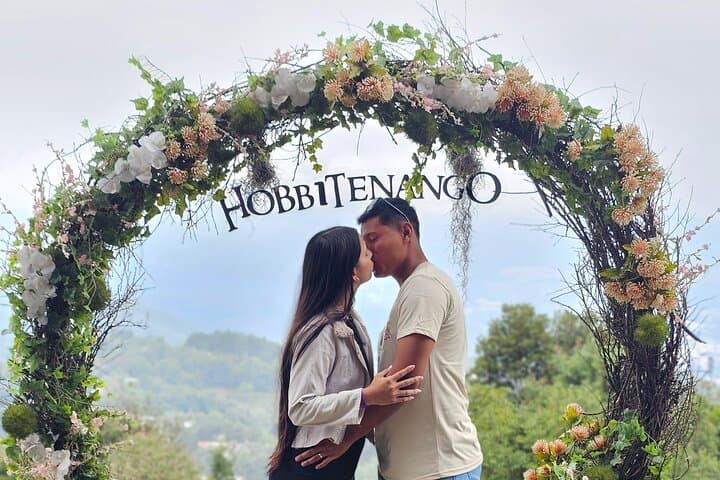
By the time the van pulls away from Antigua’s cobbled center, the sky above the ruined cathedral is still cool and light. The city’s red tiles and church towers shrink as the road climbs out of the valley, and within thirty minutes you’re breathing air that feels sharper—less city, more wind. The tour’s first act is Hobbitenango, a quirky ridge-top retreat whose wooden hobbit-houses, dragon’s nest platform, and swinging benches look as if a landscape architect met a storybook and they reached an accord. The vista there is the kind that makes people slow their exhalations: a serrated horizon of volcanoes—Agua, Fuego, Acatenango—stacked like a study in geometry. The wind dares you to stand still; clouds roll through like an audience shifting in their seats.
This isn’t a single trail loop; it’s a curated day that threads light hiking, photo-ready viewpoints, and a taste of local nature. After Hobbitenango the group drives to Altamira, a viewpoint and activity zone where a bicable (a kind of cable-suspended ride) gives a quick, airy reminder that the land here is not tame. The cables run across a bowl of pine and scrub; the drop is brief but honest, and the green below seems to pull people forward with a kind of polite insistence. Lunch follows at a mountain-side eatery—stews and fresh tortillas—and then the van takes you to Antigua Boreal, a quieter natural pocket. Here trails tuck into cloud-forest edges, moss gathers on ancient stones, and birds call like punctuation between thoughts.
Why come for a day instead of spending it in town? Antigua’s charm is the obvious draw, but the mountains do a lot of the emotional labor. They give context to the ruins and pastel facades—this valley was chosen, built in, and rebuilt because of the land’s fertile slope and strategic views. Geologically, you’re on volcanic highlands carved by eruptions, lava flows, and centuries of erosion that left the ridges and gentle bowls you now traverse. Culturally, these viewpoints were once sightlines for colonial routes and indigenous trails; today they’re stages for photographers, families, and travelers who prefer their landscapes with a side of wind.
Practical specifics: expect a full-day outing (about 10 hours door-to-door) with roughly 3–5 kilometers of walking spread across short hikes and viewpoint trailheads; cumulative elevation gain on foot is modest—around 300–500 meters in fits and starts—though the constant ups and downs make the day feel more active than the numbers suggest. Terrain alternates between packed dirt, rubble-strewn paths, and stone steps; good footwear and layered clothing are non-negotiable. The tour includes roundtrip ground transportation from Antigua or Guatemala City, and starts early to beat afternoon clouds and heat. The advertised price begins at about USD 80, and confirmation is usually instant.
For travelers: hydrate before you leave, take it steady on the steeper ramps, and pace photography around shifting weather; morning light is best for volcano silhouettes, while late afternoon throws long, soft shadows across the valley. Locals are warm and often enthusiastic about sharing stories—ask about the volcanic landscape, the colonial history of Antigua, and the plants clinging to the ridge—and tip guides who double as local interpreters.
If you’re packing strategy, think “layer and carry light.” The air can be sun-sharp on the wind-swept platforms and cool beneath the cloud canopy. Bring cash for snacks and souvenirs; many small mountain stands don’t take cards. The day suits adventurous beginners and seasoned explorers alike: you won’t need technical climbing skills, but you should be comfortable on uneven ground and short exposed sections.
Beyond the logistics, this is a trip about contrasts. You move from whimsical, human-scaled installations at Hobbitenango into the deliberate silence of Altamira’s ridgelines and the green hush of Antigua Boreal. The landscape is constantly speaking—rivers of cloud pressing at the edges, the volcanoes being patient, the forest whispering around paths. That personification is exactly why you’ll want to go: these places feel alive, not just scenically pleasing.
Whether you’re after a day of photogenic panoramas, a gentle introduction to the region’s highland ecology, or a single, memorable span of time above Antigua that combines a little adrenaline with a lot of view, this tour delivers. It’s an efficient way to graduate from Antigua’s cobbles to its horizons and return with your feet dusty, your camera full, and a clearer sense of how the city and its mountains are stitched together.
Trail wisdom
Small choices, better day.
Start Early
Morning light gives the best volcano silhouettes and avoids afternoon clouds that can obscure views.
Layer Up
Temperatures change quickly between exposed ridges and sheltered forests—pack a light insulating layer and a wind shell.
Footwear Matters
Trails include loose dirt and stone steps—sturdy hiking shoes with grip reduce slips and fatigue.
Bring Cash
Small vendors and some activity operators accept only cash for food, tips, and small purchases.
Local knowledge
Read the place, not just the route.
Watch for native species including Hummingbirds flitting among mountain shrubs, Motmots and other Central American forest birds.
Keep an eye out for wildlife during the transition between areas and habitats. Respect distance guidelines.
The highland ridges have fragile volcanic soils and cloud-forest pockets—stick to marked trails, avoid single-use plastics, and support local conservation initiatives where possible.
Follow the guide's instructions on size limits, ethical handling, and leave-no-trace practices.
The Dragon's Nest platform at Hobbitenango for sunrise silhouettes. A short side-trail in Antigua Boreal where moss-covered stones make quiet photo frames
Locally recommended viewpoints and quiet spots known best to local operators.
Antigua Guatemala was the colonial capital of the Captaincy General of Guatemala until earthquakes in 1773 led to its relocation; the surrounding mountains framed strategic routes and settlements during colonial times.
Maritime roots and regional tradition shape the waterways and working coasts.
Seasonal guide
Four versions of the same landscape.
Spring
Best forWildflowers along trails · Fewer tourists than peak months · Crisp morning light
ChallengesUnpredictable showers late in the day · Cooler mornings
Spring—part of the drier window—offers clear views and blooms; bring a lightweight rain layer for occasional showers.
Summer
Best forLush green forests · Birdwatching · Lower hotel prices in Antigua
ChallengesFrequent afternoon rains · hazy views during warmer spells
Summer is green and vibrant but expect afternoon thunderheads that can mute distant volcano silhouettes.
Fall
Best forStable weather in early months · Fewer crowds · Great light for photography
ChallengesTransition to wetter months later in the season · cooler nights
Fall is a sweet spot for clear mornings and steady light; pack a warm mid-layer for evenings.
Winter
Best forMost reliable clear skies · Volcano views at their sharpest · Best overall visibility
ChallengesCooler temperatures at altitude · Busy tourist season in December–February
Winter (the dry season) gives the most dependable vistas—plan for sun in the day and crisp air in the morning.
Operator details
What the booking data adds.
Included
- ✓Private transportation
Not included
- —you can have breakfast before you leave your accommodation or buy your breakfast when you arrive on site
- —We usually have lunch in Altamira, but it can also be in Antigua Boreal.
- —Gratuities
Good to know
- ✓Service animals allowed
- ✓Infants are required to sit on an adult’s lap
- ✓Not recommended for travelers with spinal injuries
- ✓Not recommended for travelers with poor cardiovascular health
- ✓Suitable for all physical fitness levels
Pack with intention
What to bring.
Good to know
Common questions.
It’s a full-day tour (about 10 hours) including roundtrip ground transportation from Antigua or Guatemala City; activities at Hobbitenango, Altamira, and Antigua Boreal are covered as described—confirm specific inclusions when booking.
Plan the edges
The details that make the day easier.
Antigua Guatemala was declared a UNESCO World Heritage Site in 1979 for its well-preserved Spanish Baroque-influenced architecture and ruins of colonial churches.
After the tour, head back into Antigua for a rooftop drink at Café Sky and try a local Pepián stew at La Fonda de la Calle Real; for a relaxed beer, Bandido Brewing offers local craft brews and a friendly atmosphere frequented by travelers and residents alike.
- Closest airport
- La Aurora International Airport (GUA); Typical drive: 20–40 minutes from Antigua to Hobbitenango depending on traffic; Cell service: generally OK in town, patchy at higher ridges; Permits: none required for this commercial tour—entrance fees typically included.
These highland ecosystems are sensitive—pack out trash, avoid off-trail shortcuts that erode slopes, and favor locally owned services to keep tourism benefits in the community.
Explore by topic
Follow the threads.
Keep exploring
Make the story part of the trip.
In four hours you can move from shaded canyon ferns to wind-scoured coastal ridgelines, guided by someone who knows where the light—and the hidden views—live. This private half-day hike on the Monterey Peninsula or Big Sur is compact, curated, and perfect for travelers who want depth without a multiday commitment.
 Related story
Beneath a sky of shifting light, Skaftafell’s ice reads like a map of time. This three-hour guided glacier hike mixes technical instruction with geology and culture: compact, safe, and unforgettable.
 Related story
Lose the city for a few hours without leaving it: this 5-mile, 900-foot-gain Forest Park loop threads old-growth pockets, city viewpoints, and cultural landmarks for a compact taste of Portland’s wild side. Expect moss, roots, and stories.