
What the day feels like
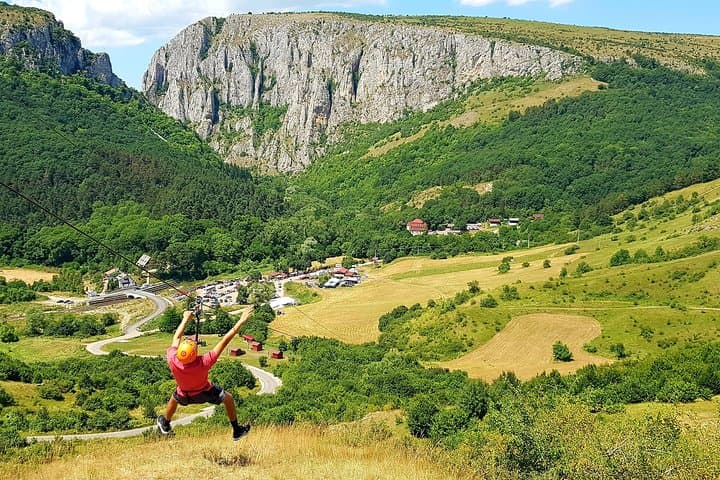
You don’t ease into this day so much as launch into it. The morning light in Cluj-Napoca is still cool when a minivan pulls away from the Old Town and the city’s baroque facades give way to folded fields and then to the raw ribs of Transylvania’s limestone. By midmorning the driver points and the road narrows; ahead, the canyon cuts a dark seam through the hills. The zip line waits like a bridge built by the wind—600 meters of cable stretched over the gorge, a direct line from road to wild.
The first harness clip is the smallest commitment and the one you’ll replay in your head later. Once clipped in, the canyon becomes a voice: the cliffs talking in echoes, the forest breathing below, the river daring you with a thin, bright thread at the bottom. At top speed—operators say you can hit roughly 100 km/h—there’s a clean, immediate joy. Gravity does the work of the storyteller, dropping you across a landscape that looks older than most maps.
This is Cheile Turzii (Turda Gorge), the limestone cut that packets of local geology professors will grin at and landscape painters will try to steal in brushstrokes. The canyon slices nearly three kilometers across karst terrain, where exposed limestone and vertiginous walls have been chiselled by water over millennia. Underfoot on the hike that follows, you’ll find ancient ledges and narrow trails that thread between beech and oak—trees that have learned to cling to rock.
Historically, these folds of stone sit in a region layered with stories: pastoral Transylvanian villages, medieval market towns, and centuries of shepherding and small-scale farming that gave rise to the region’s distinctive rural culture. The area’s geology tells a quieter but older story: the limestone was once under a shallow sea, then uplifted and sculpted into the cliffs you cross on the cable and hike along later. Local guides will point out fossiliferous bands in the rock, and they’ll name plant communities that are relics of those older climates.
Culturally, a day like this is quintessentially Transylvanian: part natural spectacle, part communal endeavor. The rhythm is practical—safety briefing, harness and helmet, guided clips—then adventurous, with plenty of time to let the canyon slow you down. Guides from Cluj are often local climbers or ecotourism operators who know the route’s thin points and the best ledges for photos. It’s a trip that pairs adrenaline with low-tech pleasures: a picnic on a sun-warmed slab, the clean taste of a mountain spring, and the small talk of strangers who have just flown over a gorge together.
Practicalities matter here. The full experience is about seven hours from pickup to return—enough time for two ziplines (the commercial line to the canyon and the return) and several hours walking the trail system that runs along the gorge floor and rim. Expect varied footing: compact dirt, exposed rock, some steep switchbacks and short ladders or steps in places. The elevation difference along the zipline is roughly 100 meters, so you’re working between real verticals and ledges that reward attention.
If you’re planning this as a day trip from Cluj, the logistics are forgiving: the operators handle pickup and drop-off, safety equipment, and the route briefing. Cost is competitive—around USD 106 per person at the time of booking—and the tour often includes insurance and guided support. Group sizes are small enough to feel personal but big enough to feel sociable.
Timing is everything: spring and fall bring the cleanest air and comfortable hiking temps; summer gives you longer days but sometimes more crowds; winter can offer a crisp, stripped-back landscape but with ice and access issues. Bring layers, sturdy shoes, and a camera with a strap—this is the kind of place where a dropped lens can mean a long hike to retrieve it.
For first-timers, the clear advice is to listen to your guide and move deliberately. Ziplining is less about bravery and more about technique: relax your shoulders, look where you want to go, and trust the harness. On the hike, use trekking poles if you need extra stability on the rock steps, and drink often—Transylvanian sun can sneak up on you. The guides will point out local flora and occasional birds of prey that hunt the gorge thermals; keep voices low when wildlife appears.
At day’s end they’ll drive you back to Cluj as the light thins and the city takes on a soft orange, the kind that makes a terrace beer taste like a reward. This tour is one of those adventures that gives you both a clean rush—the zipline—and the slower work of place—walking through a canyon that wears its age visibly. It’s accessible to most active people: no multi-day commitment, but enough scenery and geology to change the way you think about the Transylvanian countryside.
Why go? Because it stitches together two ways to feel the land: by speed and by foot. It’s a blueprint for easy, high-value adventure close to a major city, where the natural drama of the limestone and the pragmatic care of local guides combine into a single, memorable day.
Trail wisdom
Small choices, better day.
Secure loose items
Tuck phones and sunglasses into zippered pockets or use a lanyard—losing gear down a gorge is common and avoidable.
Wear grippy footwear
Expect sections of wet or polished limestone; trail-running shoes or light hiking boots improve traction and confidence.
Hydrate early and often
Bring at least 1.5–2 liters of water—the hike and sun exposure will add up faster than you think.
Listen to your guide
Guides handle clip-ins and route choices—ask questions but follow safety directions during zips and exposed sections.
Local knowledge
Read the place, not just the route.
Watch for native species including Common buzzards and other raptors, Forest songbirds and occasional roe deer sightings.
Keep an eye out for wildlife during the transition between areas and habitats. Respect distance guidelines.
Cheile Turzii is protected as a natural area—stay on marked trails, minimize noise, and carry out all waste to protect fragile plant communities.
Follow the guide's instructions on size limits, ethical handling, and leave-no-trace practices.
A quiet ledge midway through the canyon ideal for lunch away from crowds. A short side trail to a small rock overhang that frames the river below—great for photos at golden hour
Locally recommended viewpoints and quiet spots known best to local operators.
The gorge is part of a karst landscape shaped over millennia; local villages around Cluj have long histories of shepherding and small-scale farming.
Maritime roots and regional tradition shape the waterways and working coasts.
Seasonal guide
Four versions of the same landscape.
Spring
Best forWildflowers · Cool hiking temps · Fewer crowds
ChallengesMuddy trails · Unpredictable showers
Spring brings green growth and bloom, ideal for photographers, but pack waterproof layers for sudden rain.
Summer
Best forStable weather · Long daylight · Warm air for photos
ChallengesHigher visitor numbers · Hot midday sun
Summer is the busiest season—start early to avoid the heat and the crowds on the canyon rim.
Fall
Best forAutumn color · Crisp air · Excellent visibility
ChallengesShortening days · Cooler mornings
Fall offers dramatic foliage and clean light—bring a warm midlayer for morning and late afternoon.
Winter
Best forSnow-dusted cliffs · Empty trails · Different perspective
ChallengesIcy paths · Limited access · Short daylight
Winter landscapes are stark and beautiful but slippery—only experienced hikers should attempt the route in icy conditions.
Operator details
What the booking data adds.
Included
- ✓ZIP LINE
- ✓Hiking sandwich
- ✓Bottled water
Good to know
- ✓Not recommended for travelers with spinal injuries
- ✓Not recommended for pregnant travelers
- ✓Not recommended for travelers with poor cardiovascular health
- ✓Travelers should have at least a moderate level of physical fitness
- ✓Hiking boots or Mountain sneakers Recommended
- ✓Not recommended for People with respiratory issues
- ✓Not recommended for People over 260 lbs (118 kg)
- ✓Not recommended for Children under 10 years
- ✓Not recommended for People with mobility impairments
- ✓Not recommended for People over 80 years
- ✓Not recommended for Pregnant women
- ✓Not recommended for People with altitude sickness
- ✓Not recommended for People with epilepsy
- ✓Not recommended for People with pre-existing medical conditions
Pack with intention
What to bring.
Good to know
Common questions.
The full experience runs about seven hours, including transfers from and back to Cluj-Napoca.
Plan the edges
The details that make the day easier.
Cheile Turzii is a protected karst gorge near Cluj-Napoca known for its limestone cliffs and rich biodiversity.
After the hike, head back to Cluj’s Old Town for hearty Transylvanian fare—think pork stews and polenta—paired with local craft beers at a terrace bar to trade photos and stories with your group.
- Closest airport
- Cluj International Airport (CLJ). Driving from Cluj to the canyon: ~30–50 minutes depending on traffic. Cell service: generally good on roads, patchy inside the canyon. Permits: no special permits required, but a small park fee may apply.
This gorge is a protected natural area—pack out all trash, stick to marked trails, and avoid disturbing nesting birds or rock flora.
Explore by topic
Follow the threads.
Keep exploring
Make the story part of the trip.
In four hours you can move from shaded canyon ferns to wind-scoured coastal ridgelines, guided by someone who knows where the light—and the hidden views—live. This private half-day hike on the Monterey Peninsula or Big Sur is compact, curated, and perfect for travelers who want depth without a multiday commitment.
 Related story
Beneath a sky of shifting light, Skaftafell’s ice reads like a map of time. This three-hour guided glacier hike mixes technical instruction with geology and culture: compact, safe, and unforgettable.
 Related story
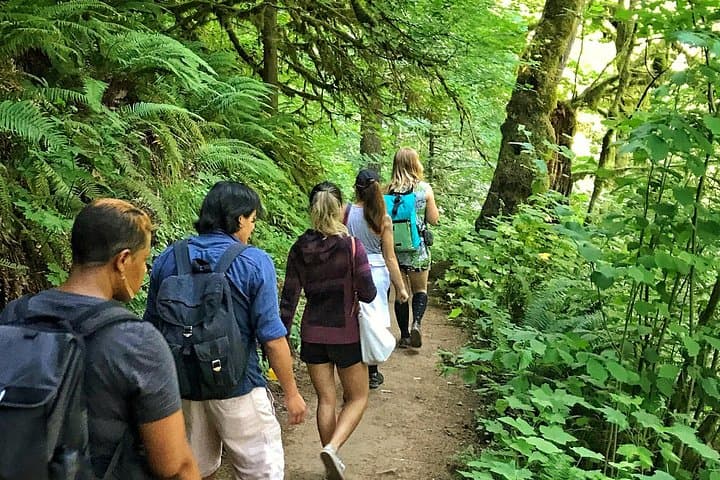
Lose the city for a few hours without leaving it: this 5-mile, 900-foot-gain Forest Park loop threads old-growth pockets, city viewpoints, and cultural landmarks for a compact taste of Portland’s wild side. Expect moss, roots, and stories.