
What the day feels like
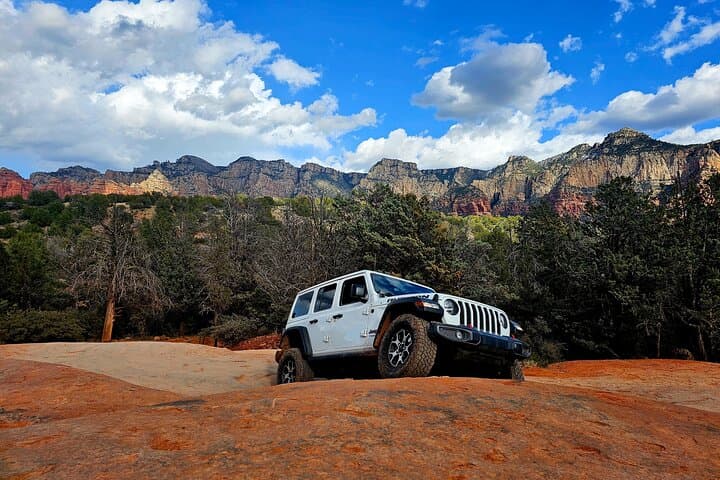
By the time the jeep rolls off the two-lane and hits the red-dust backcountry, light has softened into the kind of gold that settles in rock crevices and seems to warm you from the inside. The guide shuts off the engine and for a minute all you hear is the desert—dry leaves scratch, a distant stream dares the canyon to keep flowing, and the red walls of the valley hold their silence like a secret. This is the opening note of a full-day slice of Arizona that alternates wide, cinematic views with the small, stubborn details of place: pinons scenting the air, stacked white sandstone streaked with rust, and the occasional sign of Ancestral Puebloan life held in the curves of the land.
A private jeep tour from Phoenix to Sedona is less about getting from A to B and more about moving through geological time at a pace that feels neither rushed nor indulgent. The vehicle is not a simple shuttle; it’s a tool for access—bouncing you down washboard roads to overlook points that larger vehicles can’t reach, depositing you at narrow trails where small hikes turn into vantage points worth pausing on. One moment you’re driving through Sonoran scrub that belongs to Phoenix; the next you’re amid rocks with names—Bell Rock, Cathedral Rock—whose silhouettes have anchored maps and postcards for decades.
Geology here reads like a history book with its pages torn and rearranged. The red comes from iron oxide staining the sandstone layers—many of them part of the Permian Schnebly Hill Formation—while uplift and erosion carved the flat-lying layers into the towers and fins that define Sedona’s skyline. Guides on these private excursions usually weave these lessons into their commentary, tracing how water, wind, and tectonics conspired to sculpt the view beneath your feet.
But this is also a cultural landscape. Sedona is a place where Native American history and modern creative communities meet. You’ll likely drive past roadside galleries and pottery shops and, if time allows, a stop at Tlaquepaque Arts & Crafts Village is a reasonable way to stretch legs and meet local artisans. A private itinerary lets you choose those cultural interludes, whether that means a short walk to a petroglyph panel, a stop at an artist’s gallery, or a picnic with a view of a formation that looks different every hour.
Why choose private over a standard tour? Flexibility. Want a photography-first day chasing light across Cathedral Rock? You’ll get the extra stop and the time. Want short, family-friendly hikes interspersed with off-road thrills? That’s the plan. Guides tailor the route to match ability, interest, and the kind of images you hope to take home. Many operators also include water and snacks, and the vehicle means you can cover a lot of ground in one day—roughly a 10–12 hour window from pickup in Phoenix to drop-off—without feeling worn thin.
Practical matters matter here. Expect a day that’s long—six to eight hours in the field plus driving time to and from Phoenix—and moderately active. Footwear that grips wet sandstone and breathable layers are essential; mornings can be crisp while afternoons heat quickly. Cell service on backroads can be intermittent, which is part of the appeal: the landscape feels a little more off-grid. That said, operators handle navigation, route permits, and local regulations, which is why booking a licensed private jeep tour is worth the premium.
For photographers this region is a gift and a challenge: the contrasts are vast, and midday sun blows out the light. Aim for early or late stops, and let your guide know your priorities. They’ll time the route to match the best light for the formations you want to capture. For families, the off-road jolt is part of the thrill, but guides can adjust for shorter walks and easier viewpoints.
If you go, consider three simple commitments: travel with respect for sacred and natural sites, stay on designated routes, and pack out what you pack in. The red-rock country is public land, but its resilience depends on responsible visitation. The best private tours balance thrill with stewardship; choose one that demonstrates local knowledge and low-impact practices.
A day spent in a jeep between Phoenix and Sedona is cinematic but accessible: it asks for curiosity more than conditioning, and repays both with panoramas, tiny geological surprises, and a cultural currency of place. Whether you want to shoot dramatic silhouettes at sunset, walk a half-mile to a hidden overlook, or simply ride quietly with the red walls passing by, a private jeep tour hands you the map and the tempo. And if you want to see one of the most photographed landscapes in the Southwest without the crowds and cookie-cutter stops, consider booking a <a href="https://app.advcollective.com/local-experts/private-jeep-tour-from-phoenix-to-sedona-full-day-off-road-red-rock-adventure">private Jeep tour from Phoenix to Sedona</a>—it’s the practical, personalized way to meet the rocks on your terms.
Trail wisdom
Small choices, better day.
Tell Your Guide Your Priorities
Share whether you want photography stops, short hikes, or cultural stops so the itinerary can be tailored.
Layer for Temperature Swings
Bring a lightweight insulating layer and sun protection—mornings can be cool, afternoons warm quickly.
Footwear Matters
Wear shoes with grippy soles for sandstone scrambling and short hikes off the vehicle.
Bring Your Own Water Bottle
Refillable bottles reduce plastic waste and keep you hydrated on long, sunny stretches.
Local knowledge
Read the place, not just the route.
Watch for native species including Mule deer, Red-tailed hawk.
Keep an eye out for wildlife during the transition between areas and habitats. Respect distance guidelines.
Stay on designated routes and avoid driving on unauthorized tracks; local land managers rely on licensed operators to minimize erosion and protect petroglyphs.
Follow the guide's instructions on size limits, ethical handling, and leave-no-trace practices.
Secret overlooks on Schnebly Hill Road accessible by authorized jeep routes. A short, lesser-known walk to an isolated sandstone amphitheater near Bell Rock (guide-dependent)
Locally recommended viewpoints and quiet spots known best to local operators.
Sedona’s landscape sits on land historically inhabited by Yavapai and Hopi peoples and later settled around the railroad and ranching era; local galleries and tribal sites reflect ongoing cultural traditions.
Maritime roots and regional tradition shape the waterways and working coasts.
Seasonal guide
Four versions of the same landscape.
Spring
Best forwildflower displays · mild temperatures
Challengesvariable weather · weekend crowds in March/April
Spring offers comfortable hiking temps and desert blooms—arrive early on weekends to avoid crowds at popular overlooks.
Summer
Best forlong daylight hours · clear skies
Challengeshigh heat · monsoon storms in afternoons
Summer is hot; schedule early starts and plan for thunderstorm possibilities during monsoon season.
Fall
Best forcrisp air and golden light · fewer tourists
Challengescooler mornings · shorter daylight hours
Fall provides some of the region’s best light and temperatures—ideal for photography and longer hikes.
Winter
Best forsnow-dusted vistas · quiet trails
Challengescold snaps · icy patches at higher elevations
Winter can bring snow to higher spots; clear, cold days are beautiful but dress warmly for mornings and evenings.
Operator details
What the booking data adds.
Included
- ✓Water and sparkling water
- ✓suncsreen
- ✓Ice chest to byob or store lunch
Not included
- —Meals
Good to know
- ✓Public transportation options are available nearby
- ✓Infants are required to sit on an adult’s lap
- ✓Not recommended for travelers with spinal injuries
- ✓Not recommended for pregnant travelers
- ✓Not recommended for travelers with poor cardiovascular health
- ✓Suitable for all physical fitness levels
Pack with intention
What to bring.
Good to know
Common questions.
The experience runs about 10–12 hours, including pickup in Phoenix and return; most time is spent exploring Sedona and nearby off-road areas.
Plan the edges
The details that make the day easier.
Sedona’s iconic red hue is caused by iron oxide staining in the Schnebly Hill Formation, a Permian-age sandstone that gives the cliffs their rust-red color.
After a day on the rocks, head to Tlaquepaque Arts & Crafts Village for Southwestern food and galleries, or try a local tasting room and Sedona Beer Company for a relaxed post-adventure meal.
- Closest airport
- Phoenix Sky Harbor (PHX) — about 115 miles
- 2 hours to Sedona by road; driving distance from Phoenix
- ~115 miles; Cell service: intermittent on backroads; Permits
- passes
- Red Rock Pass may be required for parking at some trailheads—booked operators typically handle route permissions.
Stay on designated trails and routes, pack out trash, and choose licensed operators who follow Leave No Trace principles to protect fragile desert soils and cultural sites.
Explore by topic
Follow the threads.
Keep exploring
Make the story part of the trip.
Set out from Bass Harbor for a private, customizable day on Blue Hill Bay — lighthouses, puffins, seals, and the chance to feel Acadia from the water. Small groups, local captains, unforgettable views.
In four hours you can move from shaded canyon ferns to wind-scoured coastal ridgelines, guided by someone who knows where the light—and the hidden views—live. This private half-day hike on the Monterey Peninsula or Big Sur is compact, curated, and perfect for travelers who want depth without a multiday commitment.
 Related story
Beneath a sky of shifting light, Skaftafell’s ice reads like a map of time. This three-hour guided glacier hike mixes technical instruction with geology and culture: compact, safe, and unforgettable.