
What the day feels like
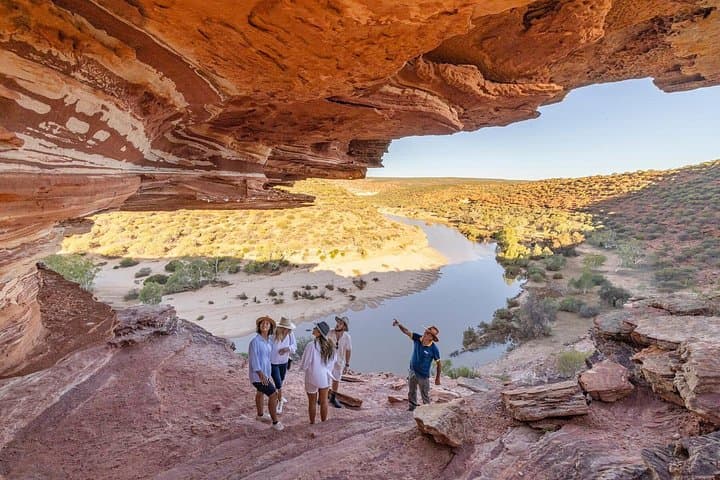
The first time the Murchison River appears between the shoulders of the canyon, it feels like a secret switched on. The sunlight slides down the red walls and the river answers with a ribbon of reflected sky; the cliffs, sculpted by water and wind, lean in like an audience. On the Kalbarri Inland and River Gorges Tour, that moment is staged with quiet precision: a short drive to a trailhead, a few brisk steps over broken sandstone, and suddenly you are standing at an opening in the rock that frames the gorge like a natural picture. Guides here point out fault lines and fossils with the same steady curiosity as they point out where the river will steal your attention next.
This is a sightseeing loop that understands economy—four hours of carefully paced moves through Kalbarri National Park that maximize viewpoints and minimize guesswork. Rather than a single, long hike, expect a series of short walks across rocky shelves, a couple of stair-stepped lookouts, and plenty of stop-and-look moments. Distances on foot typically range from a few hundred metres to a couple of kilometres between highlights; total walking is usually in the 2–4 km range with modest elevation change (roughly 50–150 m depending on which lookouts you visit). That makes it an accessible outing for fit beginners and a tidy half-day for experienced travelers who want a concentrated taste of a much larger park.
Geology is the real character here. The park exposes layers of Tumblagooda Sandstone—sandstone strata laid down during the Ordovician and Silurian periods roughly 430–450 million years ago—folded and fissured by ancient tectonics. Those layers now read like time-stacked pages: ripple marks, fossil fragments, and steep-walled gorges cut by the Murchison. Salt-laced marine sediments meet inland sediment in a palette of rust, cream, and ochre; in the right light the cliff faces glow like kiln-fired pottery.
Human history overlaps the stone. Kalbarri sits on Nanda country, lands with stories that date back millennia. Indigenous communities used the river, its pools, and the seasonal cycles of the coast for food and ceremony; the high vantage points were natural lookouts. European pastoralists and, later, coastal towns established Kalbarri as a base for fishing and tourism, but the park’s spirit is older and, for many visitors, humbling.
On a practical level the guided tour’s appeal is simple: local knowledge. Guides time the stops to catch the best light, share short geology and ecology primers, and keep the group moving so you see more than you would on your own in the same window of time. For photographers, that curated light is gold—the canyon windows, long shadows, and river reflections are all easier to read with someone who knows which angle is best.
But it isn’t all visual: the park is a place where the wind has personality. It prods the red dust into your nostrils and then lets you breathe; it presses on you at the cliff edge and then loosens. Birds are vocal—wedge-tailed eagles or peregrine falcons are sometimes spotted slicing the thermals; smaller wrens and honeyeaters flit at shrub level. In spring, the surrounding scrub can erupt in wildflowers (WA’s famous bloom), giving a bright counterpoint to the stone.
If you’re planning this half-day, here’s what to expect and how to make the most of it: the tour typically lasts about four hours, includes transport from Kalbarri town or a central meeting point, and covers key lookouts such as the famed sandstone windows and a river-view lookout. Wear sturdy shoes—there is uneven, rocky ground and some short stair sections. Bring 1.5–2 litres of water per person, sun protection, and a lightweight wind layer; temperatures swing and sun is strong even when a breeze feels fresh. The tour price is competitive for guided half-day excursions (current starting price listed at USD 104.28) and bookings usually confirm instantly with free cancellation; still, seasonal demand (wildflower season and school holidays) can fill seats, so book ahead in spring.
For photographers, aim for early morning or late afternoon light: it softens the reds and gives the rock faces depth. For families, the short walks and dramatic viewpoints make the park easy to enjoy for teenagers and younger kids who are comfortable on rock. The park’s remoteness means cell service is patchy; treat the outing like a real reclamation of attention—turn phones to airplane mode and keep them for photos and navigation only.
Beyond the walk, Kalbarri town rewards time spent: a waterfront coffee, chilled seafood, and a sunset that slides into the Indian Ocean. But the gorge does its own work—an interior landscape that hums with geological cunning and keeps you aware of time in a different way. If you want a half-day that balances sensory awe with practical timing and a local guide who knows the light, this tour is a solid, efficient window into one of Western Australia’s most photogenic wild places.
Trail wisdom
Small choices, better day.
Hydrate Ahead
Carry at least 1.5–2 L of water per person—there are no reliable water taps in the gorge areas.
Footwear Matters
Wear sturdy shoes with good grip for uneven sandstone and short descents.
Sun and Wind Protection
Bring a wide-brim hat, sunscreen, and a lightweight wind shell—the sun is strong and coastal winds can chill.
Listen to the Guide
Guides know the best vantage points and safest routes along cliff edges—follow their directions for better photos and safety.
Local knowledge
Read the place, not just the route.
Watch for native species including Wedge-tailed eagle, Western grey kangaroo.
Keep an eye out for wildlife during the transition between areas and habitats. Respect distance guidelines.
The park is protected—stay on marked trails, pack out all rubbish, and avoid disturbing riverbanks and wildlife to preserve fragile habitats.
Follow the guide's instructions on size limits, ethical handling, and leave-no-trace practices.
The lesser-visited gorge platforms near the Z-Bend offer quieter river views than main lookouts. Short side tracks reveal small pools and unique rock textures ideal for macro photography
Locally recommended viewpoints and quiet spots known best to local operators.
Kalbarri National Park sits on traditional Nanda country and contains rock layers dating back hundreds of millions of years, used traditionally for food and seasonal movement.
Maritime roots and regional tradition shape the waterways and working coasts.
Seasonal guide
Four versions of the same landscape.
Spring
Best forWildflower viewing · Milder temperatures · Photography with soft light
ChallengesHigher visitor numbers · Some parking delays · Strong midday sun on clear days
Spring (Aug–Sep) brings wildflowers and mild weather—ideal for photos and comfortable walking, though trails can be busier.
Summer
Best forLong daylight hours · Early-morning sunrise shots · Off-season rates in town
ChallengesHigh heat (30–40°C+), strong sun · Limited shade · Heat stress risk
Summer is hot and harsh; if you go, start very early, carry extra water, and avoid midday exertion.
Fall
Best forComfortable hiking · Clear skies · Good late-afternoon light
ChallengesCooling evenings · Occasional windy days · Variable wildflower displays
Autumn offers stable weather and pleasant hiking temperatures—great for half-day tours and extended photography sessions.
Winter
Best forCrisp air and clear visibility · Less crowded lookouts · Good long-range views
ChallengesCool mornings and nights · Chillier wind, especially at elevation · Possibility of rain
Winter brings cooler temperatures and clearer skies; dress in layers and be prepared for blustery conditions at viewpoints.
Operator details
What the booking data adds.
Included
- ✓Bottled water
- ✓Air-conditioned vehicle
- ✓Coffee and/or Tea
Not included
- —Gratuities
Good to know
- ✓Infants are required to sit on an adult’s lap
- ✓Not recommended for travelers with spinal injuries
- ✓Not recommended for pregnant travelers
- ✓Travelers should have at least a moderate level of physical fitness
Pack with intention
What to bring.
Good to know
Common questions.
The tour runs about four hours and includes transport from a central meeting point in Kalbarri to multiple lookouts inside the national park.
Plan the edges
The details that make the day easier.
Kalbarri’s gorges expose Tumblagooda Sandstone and related deposits that are roughly 430–450 million years old, revealing ancient marine and coastal environments.
After the gorge, head back to Kalbarri town for fresh seafood and a riverside meal—local cafés serve fish-and-chips and seasonal prawns; pick a spot facing the sunset and look for coastal fishing boats returning with the day’s catch.
- Closest airport
- Geraldton (GDV) ~150–160 km
- Z-Bend
- ~30–35 km (30–40 min); Cell service: patchy in-park; Permits
- fees
- Kalbarri NP vehicle entry fees may apply — check Parks and Wildlife WA.
Kalbarri is a protected national park—stay on designated trails, pack out all waste, avoid climbing on fragile rock formations, and respect cultural sites and wildlife habitats.
Explore by topic
Follow the threads.
Keep exploring
Make the story part of the trip.
Set out from Bass Harbor for a private, customizable day on Blue Hill Bay — lighthouses, puffins, seals, and the chance to feel Acadia from the water. Small groups, local captains, unforgettable views.
In four hours you can move from shaded canyon ferns to wind-scoured coastal ridgelines, guided by someone who knows where the light—and the hidden views—live. This private half-day hike on the Monterey Peninsula or Big Sur is compact, curated, and perfect for travelers who want depth without a multiday commitment.
 Related story
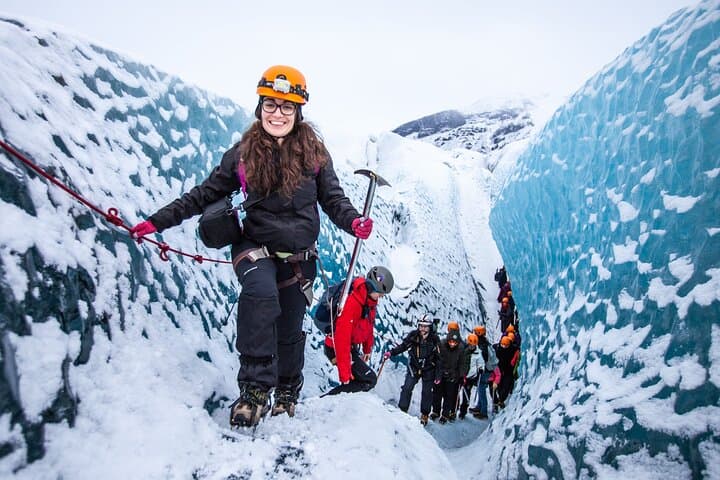
Beneath a sky of shifting light, Skaftafell’s ice reads like a map of time. This three-hour guided glacier hike mixes technical instruction with geology and culture: compact, safe, and unforgettable.