
What the day feels like
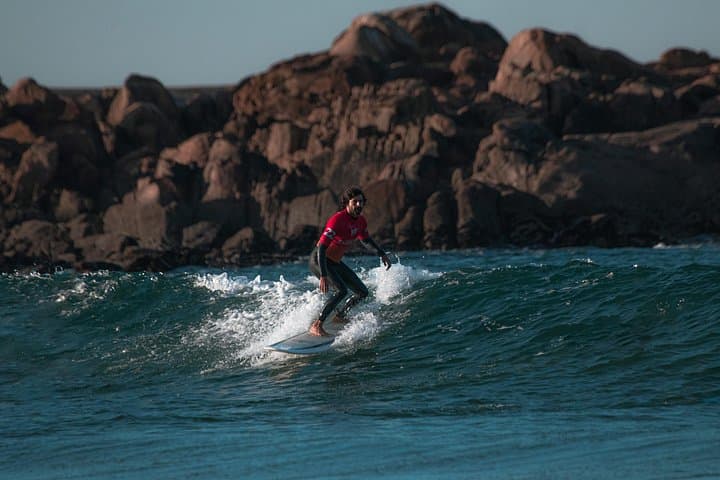
On a cool Atlantic morning the beach unfurls like a city-side secret: a broad sweep of sand, foamy breakers rolling in tidy sets, and the silhouette of cargo cranes and red-tiled roofs in the near distance. You shoulder a longboard, shoulders still asleep from travel, and the surf instructor—calm, clipped, Portuguese-accented—points down the line. This isn't a remote reef break; it’s a working coastline where fishermen, weekend strollers, and beginner surfers all share a public stage. In 90 minutes you’ll go from belly-boarding on the sand to catching your first unsteady stand, and in between you’ll learn how to read the swell that brings Porto to life.
Praia de Matosinhos sits a short tram ride from central Porto, a wide sandy beach with consistent beach-break waves that make it one of Portugal’s most dependable surf classrooms. Onda Pura, the school behind this particular 90-minute offering, has been teaching here since 1994—one of the first surf schools in the country—and its partnership with organizations like the World Surf League and the Portuguese Surfing Federation gives the lessons a structure and standard that beginners notice. This is where city grit meets ocean grammar: cargo ships yaw in the estuary, migratory seabirds thread the offshore wind, and the Atlantic keeps offering teachable waves.
Geologically the coastline is simple and honest—sandy shore with shifting sandbars that create regular peaks and forgiving whitewater. That makes Matosinhos a friendly place to learn surfer basics: pop-up technique, timing your paddle, and understanding where to sit relative to the break. But it also demands respect. Rip currents form around the headlands and stronger swells will slice through the line, so learning to spot safe zones is part of a modern surf education.
There’s a cultural rhythm to the place too. Matosinhos is a fishing town first and a surf town second, and the seafood restaurants along Avenida dos Banhos are part of the recovery routine: grilled sardines or a lemon-drizzled sea bass taste sweeter after a morning in the water. On the practical side, the beach is lifeguarded in summer, well-served by public transit, and close enough to Porto that it’s easy to combine a surf lesson with a day of Douro wine tasting or wandering the Ribeira.
If you’re picturing an over-glossy surf fantasy, expect something cleaner: efficient instruction, hands-on coaching, and a focus on safety. The 90-minute class typically moves fast—warm-up and basic paddling on the sand, a quick session practicing pop-ups, then into the water with an instructor guiding you into waves small enough that you’ll get multiple attempts. Expect the first 20–30 minutes to feel awkward—your body relearning balance—but then a new muscle memory clicks and the thrill is immediate.
Practicalities and why they matter: bring a wetsuit if the Atlantic is colder than you expect (most schools will provide one), time your lesson for low wind and mid-tide when the breakers are cleaner, hydrate, and use a reef-safe sunscreen. For photographers, the morning light from the north captures both the social life of the beach and the arc of riders against the water, while late afternoon brings softer tones and often a warming tide. And if you want local intel before you book, check a dedicated local class page for instructor bios and real-time availability: <a href='https://app.advcollective.com/local-experts/praia-de-matosinhos-surf-lesson-90-minute-class-with-certified-instructors'>Praia de Matosinhos surf lesson</a> is a useful preview that connects you to certified instructors and local logistics.
Who is this for? Beginners who want fast, practical coaching will get the most out of a 90-minute private or small-group session. The setting is beginner-friendly but also offers progression for intermediates who want to refine technique on a forgiving beach break. It’s not suited for those chasing towering point-break waves or a heavy-swell, adrenaline-only session—this is skills, confidence, and ocean awareness.
A day with a surf lesson can be stitched into a larger Porto itinerary. Start with an early lesson, reward yourself at Mercado de Matosinhos for a seafood lunch, then cross back into Porto for a late-afternoon port tasting. If you plan to surf more than once, consider renting gear locally; the cost of lessons is reasonable, with introductory 90-minute classes commonly priced with frequent special offers.
Safety notes: listen to instructors about rip currents and the safest exit points; always choose a class that provides certified instructors and buoyant beginner boards. If you have any medical conditions, disclose them before the lesson. And remember that surf etiquette—respecting the lineup and giving priority to the rider on the wave—protects both you and other ocean users.
Matosinhos rewards curiosity. After a lesson, walk the promenade to Leça da Palmeira’s tidal pools by the architect Álvaro Siza, or linger over roast fish while a fisherman mends nets on the harbor quay. The ocean here is not only a place for a lesson; it’s a civic commons where sport, commerce, and neighborhood life meet—and where a short, focused session can leave you with a durable new skill and a smart way to read the sea.
For booking and more local guidance on timing, equipment, and certified instruction, start with the local class page: <a href='https://app.advcollective.com/local-experts/praia-de-matosinhos-surf-lesson-90-minute-class-with-certified-instructors'>book a 90-minute surf lesson in Matosinhos</a> and plan a morning of salt, strategy, and a surprisingly quick payoff.
Trail wisdom
Small choices, better day.
Time It Right
Book early-morning lessons for calmer winds and cleaner waves, especially in summer
Wear a Wetsuit
Water temps can be cool; a full wetsuit keeps you comfortable and safe for longer practice
Respect Rip Awareness
Ask your instructor to point out rip currents and safe exit zones before you paddle out
Bring Identification
Carry ID and any medical info; many schools require it for liability and safety
Local knowledge
Read the place, not just the route.
Watch for native species including Common dolphins sometimes seen offshore, Gulls and terns along the shoreline.
Keep an eye out for wildlife during the transition between areas and habitats. Respect distance guidelines.
Protect dune vegetation by using marked walkways, pack out trash, and use reef-safe sunscreen to minimize impact on marine life.
Follow the guide's instructions on size limits, ethical handling, and leave-no-trace practices.
Piscina das Marés tidal pools in Leça da Palmeira—an architecturally striking tide pool perfect for photos. Mercado Municipal de Matosinhos for fresh seafood and grilled fish after your lesson
Locally recommended viewpoints and quiet spots known best to local operators.
Matosinhos is a historic fishing town and a longtime training ground for Portuguese surfers; Onda Pura has been operating here since 1994.
Maritime roots and regional tradition shape the waterways and working coasts.
Seasonal guide
Four versions of the same landscape.
Spring
Best forConsistent beginner-friendly swells · Milder crowds · Post-winter water clarity
ChallengesUnpredictable weather · Cooler water temps
Spring brings improving swell and fewer tourists; expect variable wind and bring a wetsuit for colder days.
Summer
Best forWarm air temps · Long daylight hours · Frequent beginner lessons
ChallengesStronger afternoon winds · Busier beaches · Warmer but still cool water
Summer is busiest and warmest; aim for mornings to avoid wind and peak crowds at the beach.
Fall
Best forClean swells · Warmer water after summer · Consistent surf conditions
ChallengesOccasional storms · Shorter daylight
Fall is often the best season for reliable waves and pleasant temperatures—ideal for repeated lessons.
Winter
Best forBigger swell for experienced surfers · Fewer tourists · Photogenic storms
ChallengesCold water · Rougher conditions not suitable for beginners
Winter produces larger swells and is better for intermediates; beginners should stick to coached, protected sessions.
Operator details
What the booking data adds.
Included
- ✓Spas with showers
- ✓Fact
- ✓Board
Not included
- —Towel
- —Sunscreen
Good to know
- ✓Service animals allowed
- ✓Public transportation options are available nearby
- ✓Infants are required to sit on an adult’s lap
- ✓Travelers should have at least a moderate level of physical fitness
- ✓Not suitable for people who do not feel comfortable with the water of the sea.
Pack with intention
What to bring.
Good to know
Common questions.
Basic swimming ability is recommended; instructors provide flotation and stay close to beginners, but you should be comfortable in the water.
Plan the edges
The details that make the day easier.
Onda Pura, the surf school running this lesson, was established in 1994 and is one of the first surf schools in Portugal.
After a lesson, head to Avenida dos Banhos for grilled fish at a family-run restaurante, stop by Mercado de Matosinhos for local seafood, and finish with a craft beer in Porto’s Foz or Ribeira districts.
- Closest airport
- Francisco Sá Carneiro Airport (OPO); Driving distance from Porto center: ~8–10 km (20–30 minutes); Cell service: good along the promenade; Permits
- passes
- none required for recreational surfing; Parking: available near the promenade but limited in summer
This coastline hosts fragile dune ecosystems—stay on marked paths, pack out all waste, use reef-safe sunscreen, and respect local wildlife and fishing activities.
Explore by topic
Follow the threads.
Keep exploring
Make the story part of the trip.
Set out from Bass Harbor for a private, customizable day on Blue Hill Bay — lighthouses, puffins, seals, and the chance to feel Acadia from the water. Small groups, local captains, unforgettable views.
In four hours you can move from shaded canyon ferns to wind-scoured coastal ridgelines, guided by someone who knows where the light—and the hidden views—live. This private half-day hike on the Monterey Peninsula or Big Sur is compact, curated, and perfect for travelers who want depth without a multiday commitment.
 Related story
Beneath a sky of shifting light, Skaftafell’s ice reads like a map of time. This three-hour guided glacier hike mixes technical instruction with geology and culture: compact, safe, and unforgettable.