
What the day feels like
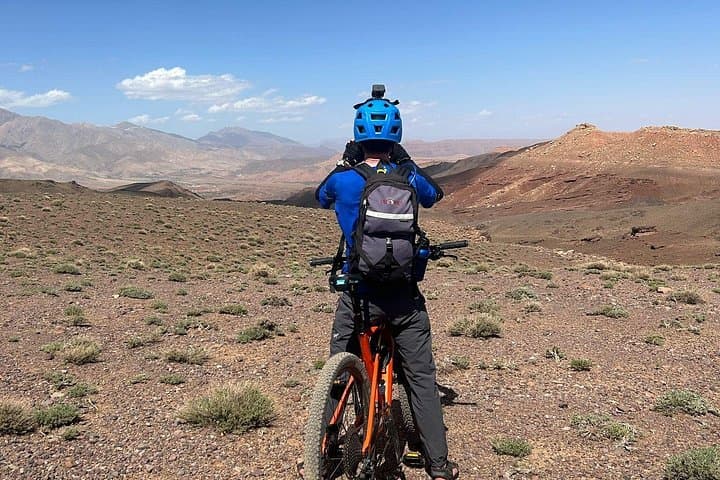
By the time the sun bent low behind the serrated silhouette of the High Atlas, the canyon walls had warmed to a color that made the whole valley look brushed with rust. A handful of cyclists coasted in single file along a ribbon of tarmac threaded between palm groves and mud-brick homes; the day’s dust still clung to our calves. The guide—a local cyclist who knew every hairpin and hamlet—kept the pace conversational, pointing out an ancient irrigation channel here, a hand-hewn terrace there. Then, as we swept into a clearing, a nomadic family rose to meet us with steaming glasses of mint tea: sharp, sweet, and improbably restorative. For four hours, that rhythm—spin, sip, swap stories—defined the Dades Gorge cycling tour.
The ride itself is uncomplicated on paper: roughly 20–25 kilometers over mixed secondary roads and village tracks, with rolling profiles that favor steady legs over sprint fitness. But the place imposes its own gravity. Geological history is written in the canyon walls: layered sedimentary bands tilted and cracked by ancient mountain-building, softened over millennia by water that dared to carve. The Dades River, though modest in flow today, has begged the landscape to yield dramatic gashes and terraces where trees and villages cling.
Culturally, this is Berber country. Settlements here, often made of sunbaked mud and stone, have been inhabited and tended for generations. Agriculture depends on thin bands of arable land and the slow ingenuity of irrigation—dates in the palms, small plots of vegetables, and the low walls that mark individual terraces. Meeting a nomadic family on this tour is more than a photo op. It’s an encounter that threads hospitality into the journey: mint tea is a ritual of welcome and conversation, and stories about moving herds or seasonal work illuminate how people shape and are shaped by the gorge.
What travelers feel is the canyon’s dual personality: austere stone one moment, surprising lushness the next. Oasis gardens push bright green against red rock. Small mosques and roadside shrines punctuate villages. Roadside vendors sell dates and dried figs; kids with tennis balls wave from terraces. The route takes advantage of all this—stretching between viewpoints that open onto sweeping valley vistas and intimate lanes where local life is plainly on display.
Practical rhythm matters. The pace is social and accessible to anyone comfortable on a bike for several hours. Expect a mix of paved stretches that let you cover ground and short gravel sections that demand attention and slower speeds. Elevation changes are rolling rather than mountainous, but heat and sun can intensify perceived effort. Hydration, sun protection, and steady pacing make the day pleasurable rather than punishing.
If you’re planning this trip, aim for spring or fall when temperatures sag to the comfortable zone and light is good for photography. Mornings are best: the air is cool, shops and markets are awake in the villages, and the river-side picnic becomes a genuinely restorative mid-ride reward. Bring a modest level of bike-handling skill for unpaved sections, but no technical expertise is required—the tour is guided, and the route is designed to highlight culture and scenery more than athletic challenge.
Beyond logistics, there’s a responsibility in visiting a place like Dades Gorge. The valley’s fragile water systems and small-scale farms mean your choices have outsize local impact: support local guides and small guesthouses, avoid single-use plastics, and follow simple courtesy—ask before photographing people and accept tea or hospitality with gratitude. These exchanges reinforce livelihoods and keep encounters authentic.
Why book it? For travelers who want to move through landscape at a human pace—faster than walking, slower than a vehicle—this ride balances scenic rewards with moments of cultural connection. It’s an afternoon that leaves you with tangible impressions: the grit of sun-bleached rock under your tires, the sweetness of mint tea shared beneath a goat-scratched awning, the quiet of palm shadows on hot earth. That combination—active, scenic, and human—gives the tour a satisfying completeness.
Final practical note: the tour is private and offered with instant confirmation, making it an easy add-on if you’re based in Boumalne Dades or passing through from Ouarzazate or Marrakech. Price points are accessible, and the local guides’ stories—about irrigation, migration, and mountain weather—extend the trail’s value beyond vistas. If you want an experience that pairs movement with meaningful contact, this is a cycling day that rewards curiosity and steady pedaling in equal measure.
Trail wisdom
Small choices, better day.
Hydrate Before and During
Carry a 1.5–2 L hydration pack and sip regularly—there are limited refill options between villages.
Choose Robust Tires
A hybrid or gravel tire handles paved and rough village tracks better than slick road tires.
Protect from the Sun
Wide-brim cap under your helmet, sunscreen, and UV sunglasses keep you comfortable on exposed sections.
Respect Local Customs
Ask before photographing people, and accept tea or hospitality with a simple thank-you to honor local norms.
Local knowledge
Read the place, not just the route.
Watch for native species including Barbary sheep (in surrounding hills), Migratory birds near riverine palms.
Keep an eye out for wildlife during the transition between areas and habitats. Respect distance guidelines.
Water in the Dades River supports fragile oasis agriculture; minimize water waste, avoid leaving litter, and favor local guides and businesses to sustain the valley economy.
Follow the guide's instructions on size limits, ethical handling, and leave-no-trace practices.
A narrow viewpoint off the main road that frames a river bend and palm terrace. Small roadside dates stall run by a family who roast almonds—best mid-afternoon
Locally recommended viewpoints and quiet spots known best to local operators.
The Dades Valley has long been a corridor between mountain communities and desert plains, with agricultural terraces and villages reflecting centuries of Berber settlement.
Maritime roots and regional tradition shape the waterways and working coasts.
Seasonal guide
Four versions of the same landscape.
Spring
Best forComfortable temperatures · Blooming oasis gardens · Good light for photos
ChallengesOccasional wind · Variable late-season rain
Spring brings the most agreeable temperatures and green contrasts between palms and rock—ideal for cycling and photography.
Summer
Best forLong daylight hours · Less chance of rain · Quieter roads
ChallengesHigh daytime heat · Strong sun exposure
Summer can be hot; early starts and lighter mid-ride clothing are essential to avoid heat fatigue.
Fall
Best forMilder temperatures · Harvest activity in villages · Stable weather
ChallengesCooler mornings · Shorter daylight late in season
Fall mirrors spring’s comfort with harvest rhythms in the valley—great for cultural observation and steady rides.
Winter
Best forCrisp clear days · Low tourist numbers
ChallengesCold mornings and nights · Possibility of high-altitude snow on approaches
Winters are cool; daytime riding can be pleasant but dress in layers and expect chilly starts.
Operator details
What the booking data adds.
Included
- ✓Cultural Visits & Nomads Visit
- ✓Bottled water
- ✓Assistance
- ✓Helmets
- ✓Mountain Bike
- ✓Guided Cycling Tour
Not included
- —Travel insurance
Good to know
- ✓Service animals allowed
- ✓Public transportation options are available nearby
- ✓Not recommended for travelers with spinal injuries
- ✓Not recommended for pregnant travelers
- ✓Not recommended for travelers with poor cardiovascular health
- ✓Travelers should have at least a moderate level of physical fitness
Pack with intention
What to bring.
Good to know
Common questions.
Moderate fitness is ideal—expect 20–25 km over rolling terrain with some short unpaved sections; you don't need to be a racer, just comfortable on a bike for several hours.
Plan the edges
The details that make the day easier.
Dades Gorge is part of a valley system carved by the Dades River through the High Atlas; the area supports traditional Berber agriculture and settlements that have existed for centuries.
After the ride, head to Boumalne Dades for a tagine or couscous at a local auberge, sample fresh dates and mint tea at a roadside stall, and look for guesthouses that host music evenings to connect with Berber culture.
- Closest airport
- Ouarzazate (approx 70–90 km) or Marrakech Menara (approx 350 km); Driving time from Marrakech ~5–6 hours to Boumalne Dades; Trailhead access: shuttle or short transfer from Boumalne Dades; Cell service: patchy in the gorge—expect intermittent coverage; Permits: none required for day tours.
Support local guides and family-run auberges, carry out all waste, avoid single-use plastics, and ask before photographing people to respect community privacy.
Explore by topic
Follow the threads.
Keep exploring
Make the story part of the trip.
In four hours you can move from shaded canyon ferns to wind-scoured coastal ridgelines, guided by someone who knows where the light—and the hidden views—live. This private half-day hike on the Monterey Peninsula or Big Sur is compact, curated, and perfect for travelers who want depth without a multiday commitment.
 Related story
Beneath a sky of shifting light, Skaftafell’s ice reads like a map of time. This three-hour guided glacier hike mixes technical instruction with geology and culture: compact, safe, and unforgettable.
 Related story
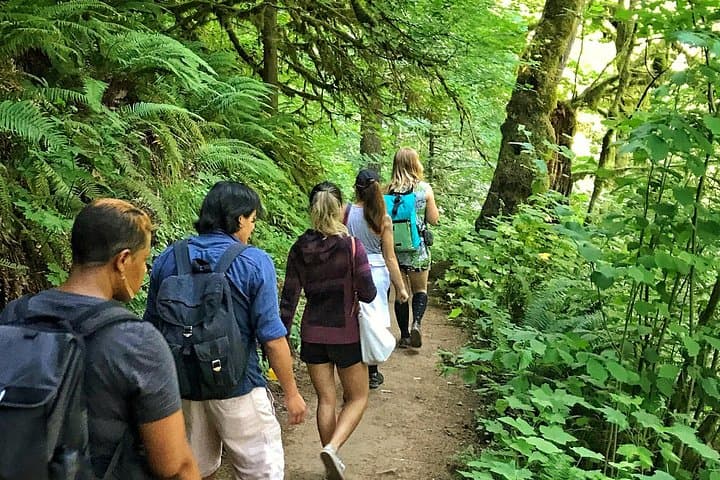
Lose the city for a few hours without leaving it: this 5-mile, 900-foot-gain Forest Park loop threads old-growth pockets, city viewpoints, and cultural landmarks for a compact taste of Portland’s wild side. Expect moss, roots, and stories.