
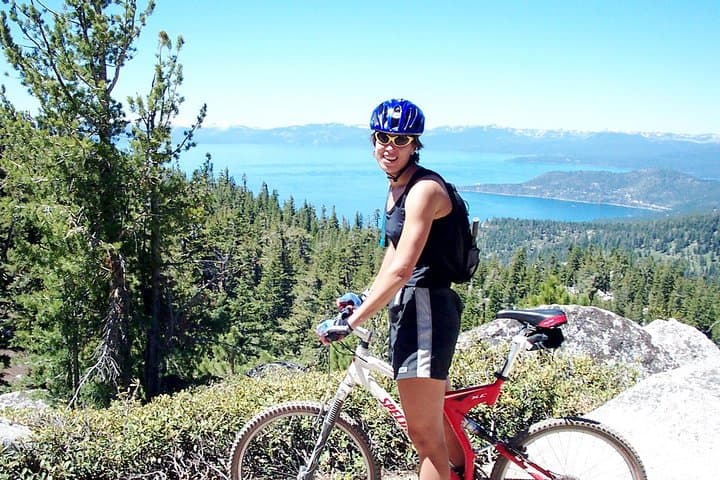
What the day feels like
You push off at first light, tires whispering on pavement as the city loosens its grip and the Truckee River dares you to follow. Morning cool bites under your chin strap and the sun, low and decisive, lays a spine of gold down the river. Red-tailed hawks quarter the sky; jackrabbits abandon the sage and dart like punctuation marks across the shoulder. This is Reno from the saddle: a compact, layered landscape where river corridor, high desert, and the Sierra’s granite teeth meet in a single, rideable narrative. The Biking Adventure Tour from Reno strings those landscapes into a flexible day on two wheels—choose an ECO or hybrid bike and set out for anywhere from 15 to 30 miles of paved and mixed-surface routes that thread the Truckee River, skirt Lake Tahoe’s lower elevations, and climb into foothills that show you how the Sierras earned their scarred beauty. It’s not a race. It’s a rhythm: spin, coast, scan, breathe. There’s a geology lesson here if you listen. The Sierra Nevada is a tilted block—uplift and glaciation carved the Tahoe basin, leaving cliffs, moraine shelves, and that big, blue bowl. Lake Tahoe sits at 6,225 feet, cold and clear because glaciers and time did their work. The Truckee River is Tahoe’s only outlet, funneling mountain water east into the high desert and shaping human history along the way. The river corridor supported the Washoe people long before stagecoaches, and later, it powered mills and made Reno a logistical spine for mining booms to the west. Culture and food keep pace with the scenery. Downtown Reno’s Basque Block celebrates a unique immigrant history—after a day on the bike, a family-style Basque dinner or a pint at a local brewery feels earned. Guides on these rides are often local; they point out the public art on Wingfield Park, the remnants of old logging roads, and that sweet coffee shop in Truckee where you can replenish with a pastry and local roast. Practicality is built into the fun. Routes range from mellow riverfront miles—smooth, largely flat, ideal for new riders—to chunkier mixed surfaces where a confident hybrid and attention to gearing pay dividends. Elevation changes are present but not extreme on the standard itineraries; a 15-mile ride can be mostly flat, while a 30-mile loop may include foothill climbs that put you briefly into the “moderate” zone. Guided snacks, water, helmets, and a basic repair kit are included with the tour, though knowing how to fix a flat and swapping a quick tube is useful. Timing matters: mornings are cooler, the light is cleaner, and winds off the lake are gentler before midday. Summer mornings mean still air and dusty wildflowers lining the way; late spring brings creeks running full and bursts of lupine; fall—my pick—offers crisp air and fewer crowds as aspens glance gold. Winter possibilities exist, but expect cold, abbreviated daylight, and some roads or trails to be closed or icy. For riders who want an all-in day out, the longer itineraries can touch Chimney Beach or Spooner Lake on Lake Tahoe’s periphery—quiet shorelines where you can unclip and listen. For those wanting a concentrated taste, a Truckee River loop and stops in the Riverwalk district provide a compact dose of nature and city life—cafes, murals, and the chance to watch rafters below. Safety and stewardship are part of the ride. The region’s water clarity and wildlife depend on responsible travelers: stay on designated trails, wash gear to prevent invasive species from reaching Lake Tahoe, and pack out what you pack in. Guides will explain local restrictions and point out fragile riparian vegetation where a wrong foot (or tire) can do outsized damage. Who this tour suits is simple: riders with a basic level of fitness and a curiosity for varied terrain. Families, solo travelers, and small groups who want a guided, gear-included day of exploration will find this a balanced, scenic option. You’ll leave with sore quads and a clearer sense of why the Sierra and Tahoe feel, together, like a place that earned each mile of your attention.
Trail wisdom
Small choices, better day.
Start Early
Morning rides avoid wind, traffic, and the hottest part of the day—aim to roll before 9 a.m.
Bring a Hydration Pack
Guides provide water but a 1–2L hydration pack keeps consistent availability on longer stretches.
Dress in Layers
Temperatures can swing with elevation and shade—pack a lightweight jacket you can stow.
Know Basic Repairs
A spare tube and know-how to change it will keep a flat from ending your ride.
Local knowledge
Read the place, not just the route.
Watch for native species including Red-tailed hawk, Jackrabbit.
Keep an eye out for wildlife during the transition between areas and habitats. Respect distance guidelines.
Lake Tahoe’s clarity is vulnerable to runoff and invasive species—wash bikes after lake-side stops and stick to designated trails to protect riparian zones.
Follow the guide's instructions on size limits, ethical handling, and leave-no-trace practices.
Wingfield Park riverfront and public art in downtown Reno. Chimney Beach on Lake Tahoe’s eastern shore for a quiet shoreline stop
Locally recommended viewpoints and quiet spots known best to local operators.
The Truckee River corridor long supported the Washoe people and later enabled mills and transport during the Comstock Lode mining era.
Maritime roots and regional tradition shape the waterways and working coasts.
Seasonal guide
Four versions of the same landscape.
Spring
Best forWildflowers · Cooler temps · Full creeks
ChallengesOccasional muddy sections · Variable temps · Higher runoff
Spring offers vibrant scenery and manageable heat but expect wet patches and unpredictable mountain weather.
Summer
Best forLong daylight · Warm mornings · Stable trail access
ChallengesAfternoon winds · Higher visitor numbers · Hot midday temps
Summer provides long, steady days—ride early to beat the winds and crowds.
Fall
Best forCrisp air · Fewer crowds · Fall color
ChallengesCooling nights · Shorter days · Possible early snow at elevation
Fall is ideal: cooler temps, vivid color, and quieter trails—perfect for longer loops.
Winter
Best forQuiet roads · Snow-dusted vistas · Training rides
ChallengesIcy patches · Cold temps · Short daylight
Winter rides are for prepared riders only—expect cold, possible ice, and altered routes.
Operator details
What the booking data adds.
Included
- ✓Beverage
- ✓Professional guide
- ✓Snacks
- ✓Complimentary Hotel pickup
Not included
- —Gratuities
Good to know
- ✓Not recommended for travelers with spinal injuries
- ✓Not recommended for pregnant travelers
- ✓Not recommended for travelers with poor cardiovascular health
- ✓Travelers should have at least a moderate level of physical fitness
- ✓Children must be accompanied by an adult
- ✓Operates in all weather conditions, please dress appropriately
- ✓All guests receive validated parking tickets for nearby garage
- ✓A minimum of 2 people per booking is required
Pack with intention
What to bring.
Good to know
Common questions.
Routes are flexible: most riders choose between 15 and 30 miles, with total guided time of roughly 2–4 hours depending on distance and stops.
Plan the edges
The details that make the day easier.
Lake Tahoe sits at 6,225 feet and is the largest alpine lake in North America by volume; the Truckee River is its only outlet.
After a ride, head to Reno’s Basque Block for a communal dinner or grab a local IPA at Great Basin Brewing Co.; in Truckee, try a scratch bakery pastry and stroll the historic downtown.
- Closest airport
- Reno-Tahoe International Airport (RNO). Driving from Reno to common trailheads: 10–45 minutes. Cell service: generally good near Reno and major roads; intermittent in higher foothills. Permits
- passes
- Guided tour covers access; some state park trailheads may charge day-use fees.
Wash bikes after Lake Tahoe beach stops, avoid entering sensitive riparian zones, carry out trash, and stay on designated paths to protect plant and aquatic habitats.
Explore by topic
Follow the threads.
Keep exploring
Make the story part of the trip.
Set out from Bass Harbor for a private, customizable day on Blue Hill Bay — lighthouses, puffins, seals, and the chance to feel Acadia from the water. Small groups, local captains, unforgettable views.
In four hours you can move from shaded canyon ferns to wind-scoured coastal ridgelines, guided by someone who knows where the light—and the hidden views—live. This private half-day hike on the Monterey Peninsula or Big Sur is compact, curated, and perfect for travelers who want depth without a multiday commitment.
 Related story
Beneath a sky of shifting light, Skaftafell’s ice reads like a map of time. This three-hour guided glacier hike mixes technical instruction with geology and culture: compact, safe, and unforgettable.