
What the day feels like
The harbor wakes early. Gulls patrol the piers, the tide inhales and exhales against granite, and a hush settles over South Portland’s sleepy streets. You swing a leg over a Jamis Boss Cruiser—upright, steady, ready—and the city opens like a promise. Ahead, the paved trail curls along the water, drawing a bead on two icons that have guarded these shores for more than a century: Bug Light and Spring Point Ledge Light.
This is a compact ride with outsized rewards, the kind of outing that slips neatly between breakfast and lunch yet feels like a day’s worth of Maine. On the <a href="https://app.advcollective.com/local-experts/2-hour-bike-tour-south-portland-maine">2 Hour Bike Tour</a>, you roll five relaxed miles along a smooth greenway, pausing to step out on a historic granite breakwater, breathe salt air, and watch working craft nose through the harbor. The trail is gentle. The views are not.
The route begins near Bug Light Park, the east-facing lawn where locals walk dogs and watch the sky soften into the islands beyond Portland. The Portland Breakwater Light—nicknamed Bug Light for its petite stature—wears its history with flair. Cast-iron and elegant, it channels ancient Greece with six Corinthian columns, a miniature temple built in 1875 by Thomas U. Walter, the architect of the U.S. Capitol dome. You can feel the past under your wheels here. In World War II, these shores churned with clanging metal and torchlight; the New England Shipbuilding Corporation launched 236 Liberty ships from this waterfront, turning South Portland into a wartime engine room. A memorial at the park gives the shipyard era form and weight.
From the park, the trail presses on and the harbor keeps you company. Ferries shoulder toward Peaks Island; sailboats play the wind; cormorants arrow low, skimming like thrown stones. The path is mostly flat, with a few gentle rises that wake the legs without hijacking the lungs. It’s designed to be an easy, social spin—great for families, newcomers, and anyone who prefers scenery over suffering.
The ride’s turning point, Spring Point Ledge Light, stands at the lip of the bay like a stubborn chess piece. Built in 1897 to warn ships off a dangerous shoal, it’s a classic “spark plug” lighthouse, stout and white, accessed by a long granite breakwater. The stones are broad and timeworn, sun-warmed in summer, slick in winter, and they ask you to pay attention. You dismount, step carefully, and the Atlantic makes its case—salt on the air, a hum that gets in your ribs. Even on calm days the sea keeps its shoulder into the rock, daring you to meet its pace. On blustery mornings, the wind rallies around the lighthouse and pushes forward, urging you to lean in.
The beauty of this route is how much it teaches with so little effort. You get a primer on Portland Harbor—its working waterfront, its rugged geology, its habit of blending Yankee grit with postcard views. Glacial ice carved these coves and left granite aplenty; shipbuilders and stonemasons used it to shape the breakwaters that protect the moorings and slips within. Today, lobster boats thrum past as students move between classes at Southern Maine Community College, home to historic Fort Preble, whose crumbling battery walls watch the channel. The trail is a living history corridor.
What sets this ride apart is the rhythm. You coast, you look, you learn. You lock up the bike and wander, then pedal again. Guides keep the pace mellow and the facts lively, weaving in stories about lighthouse keepers, wartime industry, and ongoing conservation along the shoreline. When the breeze kicks up off Casco Bay, a light jacket earns its place. When the sun brightens the water, sunglasses feel essential. Hydration matters more than you expect; ocean air dries quickly, and the ride goes rain or shine—plan accordingly.
Expect to share the path with joggers and locals on quick coffee runs. A few street crossings break the flow, reminding you this is a city ride with coastal benefits. It’s a good scenario for newer cyclists: enough navigation to build confidence, enough smooth pavement to focus on the view. If you’re after an approachable first taste of riding in Maine, this is the move. If you’re a seasoned rider on rest day, it’s an easy win with lighthouse dividends.
As you roll back toward Bug Light Park, the harbor gives you a last look—islands stacked like cards on the horizon, tankers idling wide, the Old Port’s brick skyline across the water. It’s a generous setting for a quick adventure, a perfect argument for traveling light and staying curious. Book the <a href="https://app.advcollective.com/local-experts/2-hour-bike-tour-south-portland-maine">guided bike tour in South Portland</a> and let the coast set your tempo for a morning. Two hours. Two lighthouses. Just enough wind to feel honest.
Planning details are refreshingly simple. The route is paved and nearly flat, the bikes are cruiser-style and comfortable, and there’s time at both lighthouses to explore on foot—yes, including a stroll down the granite blocks to Spring Point Light when conditions are safe. Come 15 minutes early, bring water, and add a windbreaker to your kit if the forecast looks moody. This corner of Maine rewards people who show up ready.
And afterward? Reward your legs with a beach stroll at Willard or a pastry stop at nearby bakeries in South Portland. The harbor keeps talking even when you’ve stopped pedaling, but you don’t mind. You’ve learned its accent.
Ready to ride? Reserve your spot on the <a href="https://app.advcollective.com/local-experts/2-hour-bike-tour-south-portland-maine">lighthouse bike tour</a> and make your morning count.
Trail wisdom
Small choices, better day.
Dress for the marine breeze
Even on sunny days, Casco Bay can blow cool. Pack a windbreaker or light rain shell to stay comfortable during coastal gusts or passing showers.
Mind the breakwater
The granite blocks to Spring Point Light are uneven and can be slick when wet. Wear closed-toe shoes and walk slowly, keeping hands free.
Hydrate and snack
Bring a full water bottle and a small snack—ocean air and pedaling can sneak up on you during this mellow but steady ride.
Share the path
Expect joggers and casual riders on the greenway. Keep right, announce passes, and be ready for a few low-traffic street crossings.
Local knowledge
Read the place, not just the route.
Watch for native species including Osprey fishing the channel, Harbor seals occasionally bobbing near the breakwater.
Keep an eye out for wildlife during the transition between areas and habitats. Respect distance guidelines.
Stay off sensitive dune grass near Willard Beach and pack out all trash. Respect lighthouse structures and posted closure signs on the breakwater.
Follow the guide's instructions on size limits, ethical handling, and leave-no-trace practices.
Fort Preble’s weathered granite walls near Spring Point. Liberty Ship Memorial at Bug Light Park
Locally recommended viewpoints and quiet spots known best to local operators.
South Portland’s shipyards launched 236 Liberty ships during WWII, while Bug Light (1875) and Spring Point Ledge Light (1897) safeguarded a vital working harbor.
Maritime roots and regional tradition shape the waterways and working coasts.
Seasonal guide
Four versions of the same landscape.
Spring
Best forCool-weather rides · Wildflowers and migratory birds
ChallengesVariable rain · Chilly onshore winds
Spring brings crisp air and fewer crowds. Dress in layers and be prepared for quick-moving showers.
Summer
Best forWarm, dry days · Harbor activity viewing
ChallengesMidday heat · Heavier trail traffic
Summer is prime for lighthouse views and boat watching. Start early or late afternoon for cooler temps and lighter crowds.
Fall
Best forFoliage along the shoreline · Calmer, golden light
ChallengesGusty days · Shortening daylight
Autumn paints the trees and softens the sun. Pack a wind layer and aim for mid-morning rides.
Winter
Best forCrisp air and solitude · Moody seascapes
ChallengesIcy breakwater · Wind chill and limited services
Winter rides can be beautiful but cold. Confirm conditions, dress warmly, and avoid the breakwater if icy.
Pack with intention
What to bring.
Good to know
Common questions.
Yes. The route is paved, mostly flat, and paced for comfort. Riders should be at least 9 years old and able to ride 5 miles with pauses.
Plan the edges
The details that make the day easier.
Bug Light, officially the Portland Breakwater Light, was completed in 1875 and modeled after the Choragic Monument of Lysicrates in Athens, featuring six cast-iron Corinthian columns.
Post-ride, wander Willard Beach, then refuel at Scratch Baking Co. in Willard Square or grab a cone at Willard Scoops. For a casual sit-down, Elsmere BBQ & Wood Grill in South Portland hits the spot. Hop across the bridge to Portland’s Old Port for craft beer at Shipyard or Rising Tide—Maine’s culinary scene is a short spin away.
- Closest airport
- Portland International Jetport (PWM), 15 minutes by car. Start near Bug Light Park in South Portland; about 10 minutes from Portland’s Old Port. Cell service is generally strong along the route. No permits required—bike, helmet, and guide provided; tours run rain or shine.
Coastal trails and breakwaters are fragile interfaces between human engineering and marine habitat. Stay on designated paths, avoid trampling dune vegetation, and give nesting birds and marine mammals plenty of space.
Explore by topic
Follow the threads.
Keep exploring
Make the story part of the trip.
In four hours you can move from shaded canyon ferns to wind-scoured coastal ridgelines, guided by someone who knows where the light—and the hidden views—live. This private half-day hike on the Monterey Peninsula or Big Sur is compact, curated, and perfect for travelers who want depth without a multiday commitment.
 Related story
Beneath a sky of shifting light, Skaftafell’s ice reads like a map of time. This three-hour guided glacier hike mixes technical instruction with geology and culture: compact, safe, and unforgettable.
 Related story
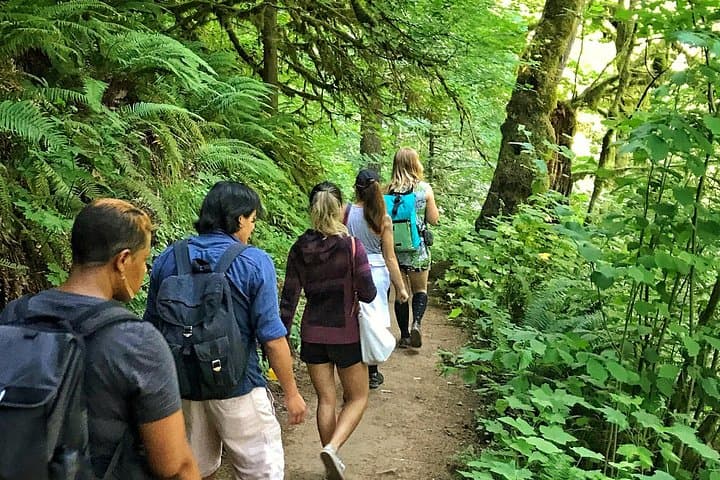
Lose the city for a few hours without leaving it: this 5-mile, 900-foot-gain Forest Park loop threads old-growth pockets, city viewpoints, and cultural landmarks for a compact taste of Portland’s wild side. Expect moss, roots, and stories.