
What the day feels like
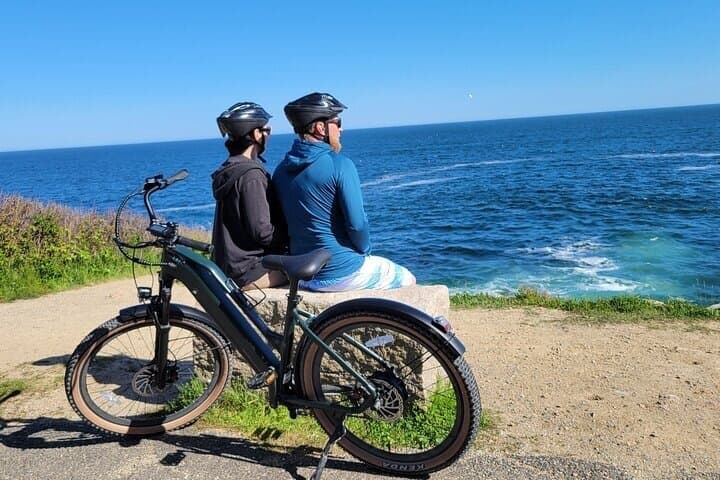
The morning opens like a map folded back into place: fog clings to Porcupine Islands, gulls punctuate the air with impatient cries, and the first metallic whirr of an e-bike feels almost conspiratorial—an agreement between human and machine to cover more ground without losing the slow pleasures of moving through a place. You roll out of Bar Harbor with a rental helmet snug, a map stamped with suggested loops, and a battery that promises to keep the pedals honest for the better part of the day. The coastline unfurls in a series of dramatic frames—polished granite, wind-swept scrub, and harbors bright with lobster buoys—while carriage roads curve away from the automobile's line, offering an invitation to slow and stare.
Acadia is compact but layered. The park's 27-mile Park Loop Road stitches together the coastline's major scenes—Thunder Hole, Sand Beach, and the cliffs above Otter Cliffs—while the 45 miles of Rockefeller carriage roads thread an interior network of packed gravel and stone bridges that were carefully designed to feel like a dialogue with the land. Those carriage roads are why an e-bike works so well here: they let you keep up with the day without stripping away the rhythm of a human-powered ride. On an assisted Class 1 e-bike you still pedal; the motor simply reduces the effort on climbs like the approach to Eagle Lake or the long, steady grades near Jordan Pond.
Geology shows up everywhere, shaping both the route and the view. The granite here is ancient—glacial polish makes the bedrock slick and shining, drumlins and erratics creating small natural amphitheaters. Cadillac Mountain, the park's high point at 1,530 feet, slices the skyline; on a clear day you can watch the sun find the Atlantic first from that slope. Cultural history is braided into the landscape too. Before these roads and summer cottages, the Wabanaki people stewarded these islands and shores; later, John D. Rockefeller Jr. funded the carriage roads that still make the park feel intimate and rideable. Knowing the history makes a loop feel like an itinerary and a story.
The full-day rental is liberating because timing becomes yours. Start early and you can push a big loop—Park Loop Road plus carriage-road spurs—or spend a steadier day exploring the interior, pausing for a picnic by Jordan Pond and hunting for seals along the rocky edges of Seal Harbor. Expect varied terrain: packed gravel on carriage roads, paved shoulders on Park Loop Road, and occasional short stretches of wooden causeways. Elevation is rarely extreme, but the landscape rewards a modest amount of fitness—steep pitches are short and often followed by generous descents that let you enjoy the motor's quiet hum.
There are practical choices to make. Batteries lose oomph in cold weather and when used continuously on high assist; carry a charger or power bank for phones, and pack layers because conditions switch from sheltered forest cool to wind-whipped coast in minutes. Helmets are included with rentals, but bring grippy shoes and a small puncture kit—Carriage Road surfaces are forgiving, but a thorn or jagged edge can still challenge you miles from help. Be deliberate about route planning: the rental shop will hand you maps and suggested rides ranging from a gentle 10–15 mile coastal cruise to loops that stretch toward 30–40 miles if you link Park Loop Road with carriage-road spurs.
Practicality sits next to pleasure. Return the bike by 5 p.m. to avoid late fees, and consider the rhythm of services: Jordan Pond House is seasonal but worth a mid-ride stop when it’s open for its popovers and tea, while Bar Harbor's downtown has the cluster of cafés and brewpubs you’ll be glad to see after the last climb. Park entry may require a pass; check current regulations with the rental operator and the National Park Service. Also, respect sensitive habitats—stay on designated roads and carriage ways, yield to hikers and horses, and lock your bike when you leave it.
For anyone who enjoys moving through a landscape rather than simply stopping to photograph it, a full day on an e-bike in Acadia is a persuasive argument. The rides are scenic without being fragile, physically engaging without being extreme, and the infrastructure of carriage roads and coastal lanes means you can stitch together an itinerary that suits your stamina and curiosity. At day's end, when the battery reads a friendly single bar rather than a critical red, you'll have seen tide pools, cliff-worked coastlines, and inland ponds that reflect sky like coin. More than that, you'll have lived the park at a human pace, with a little electrical generosity under your legs and a lot of room to breathe in between the next turn and the next view.
If you go, time it for shoulder seasons when traffic drops, bring layers, and leave space for small detours—it's the unscripted moments, the sudden bend that reveals a quiet inlet or a seal hauled out on a rock, that will make the day feel like a story worth retelling.
Trail wisdom
Small choices, better day.
Charge and Carry
Start with a full battery and bring a small power bank for your phone—assists decline in cold or on sustained climbs.
Stick to Carriage Roads
Ride the engineered carriage roads and paved Park Loop shoulders to protect fragile vegetation and avoid soft soils where tires can create lasting damage.
Plan for 8 Hours
A full-day rental gives you up to 8 hours—map your route to include rest stops and a buffer for photo stops or light maintenance.
Yield and Communicate
Carriage roads are shared with hikers and horses—announce your presence and pass slowly.
Local knowledge
Read the place, not just the route.
Watch for native species including Harbor seals, Peregrine falcons.
Keep an eye out for wildlife during the transition between areas and habitats. Respect distance guidelines.
Stick to paved and carriage road surfaces to protect fragile alpine and coastal vegetation; pack out all trash and avoid disturbing shoreline habitats.
Follow the guide's instructions on size limits, ethical handling, and leave-no-trace practices.
Schooner Head Overlook (a quieter coastal viewpoint). Little Hunters Beach (a small pebble beach east of Sand Beach)
Locally recommended viewpoints and quiet spots known best to local operators.
John D. Rockefeller Jr. financed and oversaw construction of Acadia's 45 miles of carriage roads and 16 stone bridges in the early 20th century.
Maritime roots and regional tradition shape the waterways and working coasts.
Seasonal guide
Four versions of the same landscape.
Spring
Best forWildflower viewing · Quieter trails · Cool rides
ChallengesMud on carriage roads · Variable weather
Spring brings fresh green and fewer crowds, but expect muddy stretches after rain and cooler temperatures—layer up.
Summer
Best forLong daylight · Warm swims · Full services
ChallengesHigher visitor numbers · Limited parking
Summer is peak for services and warm water stops; start early to avoid traffic and midday crowds.
Fall
Best forFoliage · Crisp air · Photography
ChallengesShorter days · Colder mornings
Fall offers stellar color and comfortable riding temps—book rentals ahead and expect brisk mornings.
Winter
Best forQuiet solitude · Snowshoeing views
ChallengesLimited rental availability · Cold batteries
Winter riding is rare; rentals may be limited and batteries drain faster in cold—check operator policies.
Operator details
What the booking data adds.
Included
- ✓Lock
- ✓Rear Bike Rack
- ✓Helmet
- ✓Step Through Frame Class 1 E-Bike
- ✓Trail Map and Bike Orientation
Not included
- —Acadia National Park Pass
- —Overnight rental. (All bikes must be returned by 5 pm regardless of start time)
- —A credit card wll be necessary the day of for securty and damage coverage on the bikes.
Good to know
- ✓Public transportation options are available nearby
- ✓Suitable for all physical fitness levels
- ✓Minors (14-17 years old) must be accompanied by an adult
Pack with intention
What to bring.
Good to know
Common questions.
Class 1 e-bikes are generally permitted on roads and most carriage roads; check current National Park Service and rental operator rules for any seasonal restrictions.
Plan the edges
The details that make the day easier.
Acadia's 45 miles of carriage roads and 16 stone bridges were funded and designed by John D. Rockefeller Jr. to create scenic, car-free routes through the park.
After a ride, head to Jordan Pond House for seasonal popovers (when open) or back into Bar Harbor for fresh lobster rolls and a local beer at Bar Harbor Brewing Co.—both offer a welcome refuel and the chance to mingle with locals and fellow travelers.
- Closest airport
- Hancock County–Bar Harbor Airport (BHB) or Bangor International (BGR); Driving distance: rental shop in Bar Harbor is minutes from Park Loop Road; Cell service: good in town, patchy in interior carriage roads; Permits: park entrance pass required—confirm current fees.
Acadia's carriage roads are historic and ecologically sensitive—stay on designated routes, avoid riding on soft ground, pack out waste, and support local rental operators who maintain bikes and trail etiquette.
Explore by topic
Follow the threads.
Keep exploring
Make the story part of the trip.
Set out from Bass Harbor for a private, customizable day on Blue Hill Bay — lighthouses, puffins, seals, and the chance to feel Acadia from the water. Small groups, local captains, unforgettable views.
In four hours you can move from shaded canyon ferns to wind-scoured coastal ridgelines, guided by someone who knows where the light—and the hidden views—live. This private half-day hike on the Monterey Peninsula or Big Sur is compact, curated, and perfect for travelers who want depth without a multiday commitment.
 Related story
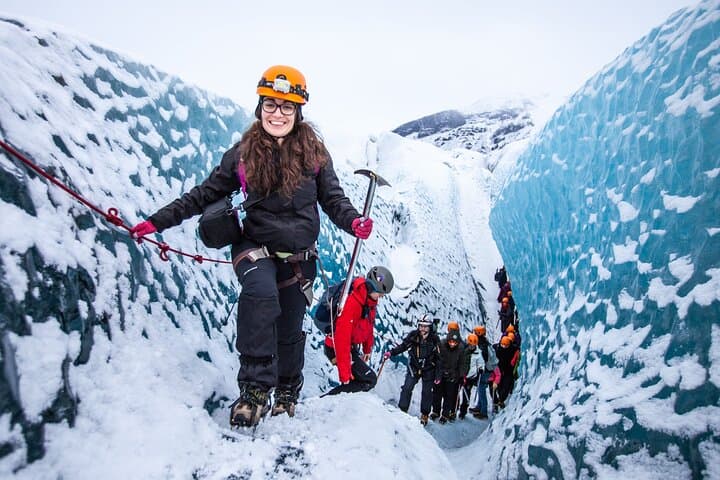
Beneath a sky of shifting light, Skaftafell’s ice reads like a map of time. This three-hour guided glacier hike mixes technical instruction with geology and culture: compact, safe, and unforgettable.