
What the day feels like
The first thing you notice is how the water refuses to be ordinary. Offshore from Marsa Alam, the Red Sea changes from polite aquamarine to a saturated, impossibly clear blue the moment the boat slips beyond the reef. The engine drops to a conversational hum, the coastline becomes a memory, and the sky feels closer. On a day with Pearls Island on the itinerary, the sea seems to dare you to keep up.
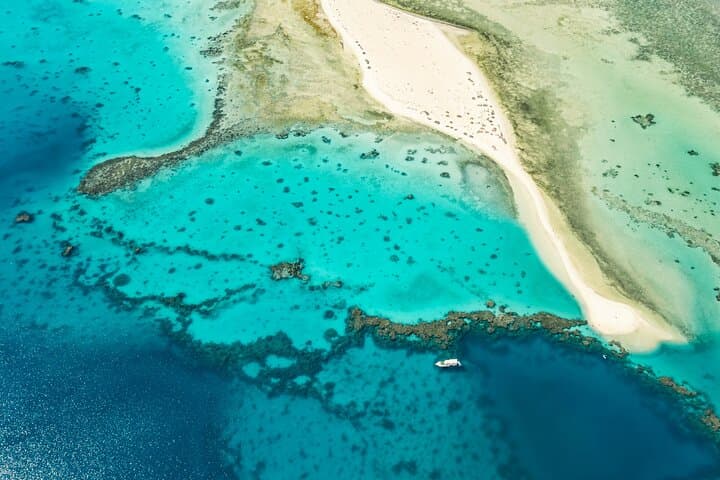
Pearls Island is a compact, seven-hour loop of marine highlights—three stops that add up to a single, well-shaped adventure. There’s a shallow lagoon where resident dolphins move with casual intent, broad fringing reefs thick with hard corals and fish, and a low, sandy bank that looks plucked from a travel brochure for the Maldives. It reads like a checklist of all the Red Sea’s most joyful notes, but it’s the small moments—the way sunlight fractures into a kaleidoscope on a passing parrotfish, the hush as the dive guide signals for silence near a hawksbill turtle—that give the trip its texture.
Marsa Alam sits on the shallow shelf of Egypt’s Red Sea Governorate, a relatively recent hub for coastal tourism that still feels less honed than Sharm or Hurghada. That gives pearly spots like this a quieter, more exploratory energy. Geologically, the Red Sea is young: a rift valley in slow motion, its steep drop-offs and reef shelves sculpted by tectonics and currents. Culturally, the shore is a crossroads between Bedouin tradition and port-town bustle—operators in town often combine local hospitality with years of reef know-how.
The tour itself is straightforward: a morning pickup from Marsa Alam or Port Ghalib, a seven-hour boat trip with three principal stops—dolphin lagoon, a snorkeling reef, and a sandbank island. It’s priced as an accessible day experience (the listed rate is about USD 125), and confirmation is instant with free cancellation on many bookings—handy if weather or winds change your plan.
The animal encounters are the main draw and deserve a tempered approach. The dolphins here are not performers; they are wild, curious, and often habituated to boats. Good guides emphasize patience and respect—they’ll ask you to remain quiet, avoid splashing, and never chase or feed marine life. That small ethic returns a bigger payoff: when dolphins choose to swim close, the feeling is mutual rather than staged.
Snorkeling on the Red Sea is where the place earns its reputation. Coral formations here are living architecture—bossy brain coral, thin fans waving like flags, and dense gardens of staghorn. Schools of snapper and fusilier will fragment around you, and every so often a reef fish will execute a maneuver that makes you feel like an interloper in an efficient, colorful city. The sandbank stop is calmer: shallow, warm water where you can step out, stretch, and get a photo that looks like a postcard.
Practicalities matter more on the water than on land. Boats can be hot and exposed; plan for sun protection, easy layers, and a water bottle you can refill. Snorkelers who bring their own gear typically have a better fit than rental masks, which reduces fog and chafing—comfort translates directly to time spent in the water. Times are tailored to the day’s conditions; operators often aim for calmer mid-morning conditions and return in the late afternoon.
Beyond the trip itself, Pearls Island plugs into the bigger reasons to visit Marsa Alam: it’s a gateway to marine parks and dive sites that host creatures you won’t find in shallower Mediterranean waters—like dolphins, dugongs (rare), and large pelagic species along deeper edges. Back on shore, the town’s seafood shacks and seaside cafés provide an easy, relaxed end to a long day—grilled fish, tangy salads, and strong Egyptian coffee reward the salt on your skin.
Who should book this kind of day? Families who want a high-return, low-navigation marine day, snorkelers who want to sample high-quality reefs without committing to liveaboard logistics, and travelers who favor wildlife-first experiences that aren’t high-risk. For experienced divers, Pearls Island is a great warm-up or a gentle surface-based supplement to deeper dives in the area.
Safety and stewardship are part of the itinerary. Respect guides’ instructions around wildlife; choose operators who use mooring buoys (not anchors) and brief guests on reef etiquette. Sunscreen matters too—reef-safe formulations reduce harm to coral. Finally, remember that the ocean is a shared space; be ready to be patient and to let the animals choose the pace.
In seven hours you’ll cross a lot of the Red Sea’s emotional range: the thrill of unexpected dolphin company, the simple joy of uninterrupted reef snorkeling, and the quietness of stepping onto a sandbank with nothing between you and the horizon. Pearls Island isn’t a remote, multi-day expedition—its brilliance is in how it concentrates the best parts of a coastal Red Sea day into a single, expertly guided loop. For the traveler who wants marine immersion without complication, it’s a tidy, memorable answer.
Trail wisdom
Small choices, better day.
Bring reef-safe sunscreen
Choose a non-nano, mineral sunscreen to protect coral; apply before you board and reapply with guidance to avoid contamination.
Wear a swim shirt or light layers
The sun is intense on deck and in the water—long-sleeve swimwear reduces sunburn and keeps you cooler.
Rent or bring your own snorkel kit
A well-fitting mask and snorkel reduce fatigue and help you spend more time enjoying the reef.
Follow the guide for wildlife etiquette
Don’t chase, touch, or feed dolphins or turtles; let them approach on their terms.
Local knowledge
Read the place, not just the route.
Watch for native species including Bottlenose dolphins, Hawksbill turtles.
Keep an eye out for wildlife during the transition between areas and habitats. Respect distance guidelines.
The coral reefs here are fragile; supporting operators who follow reef‑safe practices and use mooring buoys helps reduce anchor damage and protects habitat.
Follow the guide's instructions on size limits, ethical handling, and leave-no-trace practices.
The quieter reefs near Abu Dabbab for turtle sightings. Port Ghalib marina cafés for post-trip seafood and sunset views
Locally recommended viewpoints and quiet spots known best to local operators.
Marsa Alam evolved from a small port into a coastal tourism center in recent decades, expanding as Red Sea diving grew in popularity while retaining local Bedouin cultural ties.
Maritime roots and regional tradition shape the waterways and working coasts.
Seasonal guide
Four versions of the same landscape.
Spring
Best forCalm seas · Good visibility · Warmer air temperatures
ChallengesOccasional wind in late spring · Marine life still active
Spring offers steady conditions and warm water; aim for early spring to avoid stronger northerly winds later in the season.
Summer
Best forWarmest water · Long daylight hours · Full marine visibility
ChallengesHigh sun intensity · Hot on deck mid-day
Summer brings hot days and warm bath-like water—early starts and sun protection are essential.
Fall
Best forStable sea state · Excellent visibility · Comfortable temperatures
ChallengesIncreasing tourist numbers in peak months
Autumn is often the most pleasant season—stable seas and comfortable temps make for long, enjoyable snorkel sessions.
Winter
Best forLess crowded trips · Good diving visibility on calm days
ChallengesCooler mornings and breezy conditions · Shorter daylight
Winter can be windy on some days; bring a light windbreaker and expect cooler mornings on the deck.
Operator details
What the booking data adds.
Included
- ✓Snorkeling guide
- ✓Air-conditioned vehicle
- ✓National Park Tickets
- ✓Freshly cooked lunch, variety of options for vegetarians as well & carnivores, soft cold & hot drinks and of course water
Good to know
- ✓Wheelchair accessible
- ✓Public transportation options are available nearby
- ✓Specialized infant seats are available
- ✓Transportation options are wheelchair accessible
- ✓Suitable for all physical fitness levels
Pack with intention
What to bring.
Good to know
Common questions.
The tour runs about 7 hours (approximately 420 minutes) including three stops: a dolphin lagoon, reef snorkeling, and a sandbank.
Plan the edges
The details that make the day easier.
The Red Sea is home to over 1,200 species of fish with roughly 10% endemic to the region, making its reefs uniquely biodiverse.
After the water, head to Port Ghalib or Marsa Alam town for grilled local fish, a glass of karkade (hibiscus tea), or a simple seaside café; many small restaurants serve fresh catch with lemon and local spices.
- Closest airport
- Marsa Alam International Airport (RMF); Typical drive to harbor: 20–60 minutes depending on accommodation; Cell service: Good near shore, limited offshore; Permits: No tourist permits required for day trips, but follow marine park rules where applicable.
This marine area hosts fragile coral habitats—use reef-safe sunscreen, don’t touch or feed wildlife, and choose operators who minimize anchoring impact.
Explore by topic
Follow the threads.
Keep exploring
Make the story part of the trip.
Set out from Bass Harbor for a private, customizable day on Blue Hill Bay — lighthouses, puffins, seals, and the chance to feel Acadia from the water. Small groups, local captains, unforgettable views.
In four hours you can move from shaded canyon ferns to wind-scoured coastal ridgelines, guided by someone who knows where the light—and the hidden views—live. This private half-day hike on the Monterey Peninsula or Big Sur is compact, curated, and perfect for travelers who want depth without a multiday commitment.
 Related story
Beneath a sky of shifting light, Skaftafell’s ice reads like a map of time. This three-hour guided glacier hike mixes technical instruction with geology and culture: compact, safe, and unforgettable.