
What the day feels like
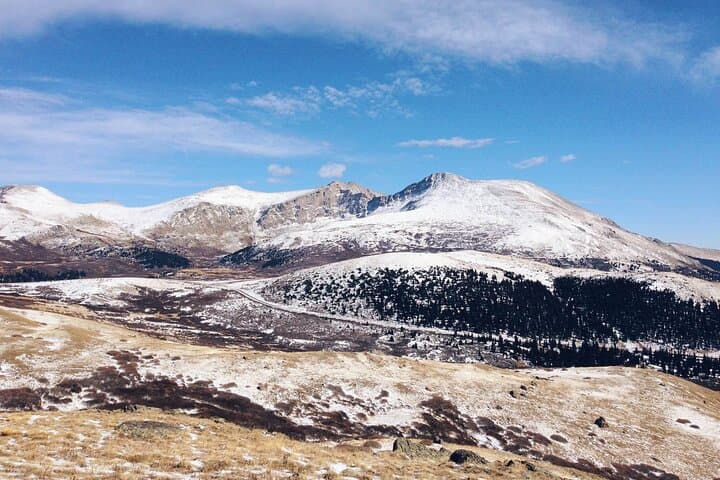
When the road tilts up and the pines thin into wind-sculpted krummholz, you feel the Rockies taking back their territory. The switchbacks onto Guanella Pass do that: they make you smaller by degrees and then offer a sudden, clear ledger of scale — a sweep of talus, a ridgeline, and beyond it the knife-edged silhouette of Mt. Bierstadt. For a single day this private Colorado tour measures out a perfect sequence of mountain moods: river valleys breathing cool air, high alpine meadows that stop you mid-sentence, and a final descent into a town that time refuses to modernize.
Start imagining the trip as a daylong conversation with the mountain. Over six to eight hours you’ll climb from forested river canyon — the Tarryall River valley carved in slow, patient strokes — up to Guanella Pass at about 11,670 feet. At the pass the wind and geology speak plainly: granite and schist folded and lifted, glaciers once scraping the bowls you now peer into. The distant, squat crown of Mt. Bierstadt sits like a punctuation mark on the horizon; on a clear day you can see its full bulk and the glacier-polished faces that drew climbers and naturalists to the area.
Georgetown is the story’s cultural coda. Tucked into Clear Creek Canyon, its Victorian storefronts and narrow streets echo the silver rush of the 1860s. The Georgetown Loop Railroad puffs through the same reaches that miners once used to move ore; now it serves up nostalgia and prime views. The town’s museums and preserved buildings give you context for what the landscape meant economically and socially: a place that built empires and then learned to make a living from scenic preservation.
The route is not a wilderness expedition, but that’s part of the appeal. This is an accessible slice of the high country for people who want alpine clarity without a multi-day pack trip. Expect a driving itinerary punctuated by short walks — a meadow stroll to a viewpoint, a quick scramble for a better vista, or a stop at a historic mine shaft. Terrain varies from paved mountain roads to pullouts with gravel and packed dirt; the few hikes you might do are steep and well-marked but short in length.
Practicalities matter here. Altitude is not an anecdote; the pass sits above 11,000 feet. Drink water, move deliberately, and carry layers. Weather can flip from sun to sleet in an hour even in summer. For winter and early spring, chains or four-wheel drive may be required and snow can close the pass entirely. Private tours typically include a driver-guide and door-to-door logistics — worth the price tag if you want to maximize time on the pass and in Georgetown without worrying about navigation or parking.
The experience balances spectacle and intimacy. Mid-September the aspens put on a show, turning slopes to gold and orange; wildflower season in July fills meadows with columbine and lupine. Wildlife is part of the rhythm: deer pick at aspen groves, marmots clatter from rock to rock, and raptors quarter the thermals overhead like punctuation in the sky. All of it happens against a human backdrop of mining history and small-town preservation.
For travelers planning this as a one-day outing, timing is everything. Start early to beat the tour coaches and to get the clearest air for photos. Bring sun protection — UV is stronger at altitude — and break your day with a proper walk at the summit rather than a single look-and-leave. If you’re sensitive to altitude, pace the ascent and skip any strenuous hikes until you’ve had time to acclimatize.
In Georgetown, plan a slow hour after the drive. Walk the wooden sidewalks, visit a local museum or the restored Hotel de Paris, and look for a historic saloon to soak up the town’s character. The Georgetown Loop offers a short scenic ride that fits neatly into a day tour. For people who want more, the area also connects to longer hikes and classic Colorado climbs, but the private tour format makes this perfect for families, photographers, and anyone who wants one concentrated, expertly guided plunge into the heart of the Front Range.
This trip asks for few special skills and rewards curiosity. It’s not an ascent of a fourteener; it’s an invitation to read mountain geology, to watch seasonality happen fast, and to move between natural and cultural history without losing either. Whether you come for the aspens, the alpine light, or the preserved streets of Georgetown, the route across Guanella Pass delivers an efficient, richly textured day in the Colorado high country.
Practical snapshot: expect a 6–8 hour window of exploration, weather-dependent gear choices, and the elevated condition that comes with 11,000-foot passes. Book a private vehicle and a guide if you want context and flexibility; pack sustainably and leave the place cleaner than you found it. Do that, and this is one of those rare day trips that feels like a small, full mountain expedition without a map full of commitment.
Trail wisdom
Small choices, better day.
Acclimate and Hydrate
Start slow, drink water frequently, and avoid sudden exertion above 8,000–9,000 feet to reduce altitude effects.
Layer for Rapid Weather Changes
Bring a windproof shell and insulating mid-layer — conditions can shift from sun to sleet within an hour at 11,000+ feet.
Timing for Photos
Arrive early or late afternoon for softer light and fewer cars at popular pullouts; mid-day can be harsh and busy.
Respect Historic Sites
Stay on designated paths around old mine infrastructure in Georgetown; artifacts are fragile and often hazardous.
Local knowledge
Read the place, not just the route.
Watch for native species including Mule deer, Yellow-bellied marmot.
Keep an eye out for wildlife during the transition between areas and habitats. Respect distance guidelines.
Much of the route traverses National Forest lands—pack out trash, stay on roads and trails, and avoid disturbing alpine vegetation.
Follow the guide's instructions on size limits, ethical handling, and leave-no-trace practices.
A quiet pullout just above the pass with a west-facing view toward Mt. Bierstadt. The lesser-known interpretive trail near the Georgetown Loop that explains mining-era infrastructure
Locally recommended viewpoints and quiet spots known best to local operators.
Georgetown grew during the Colorado silver boom of the 1860s and retains many of its Victorian-era buildings and the Georgetown Loop Railroad tied to its mining past.
Maritime roots and regional tradition shape the waterways and working coasts.
Seasonal guide
Four versions of the same landscape.
Spring
Best forLate snowmelt views · Spotting early wildflowers
ChallengesSnowpack on roads · Variable temperatures
Snow lingers at the pass into late spring; expect muddy pullouts and possible short closures—check road conditions.
Summer
Best forWildflower meadows · Stable driving conditions
ChallengesAfternoon thunderstorms · Crowded pullouts
Summer offers reliable access and flowers, but bring rain gear and avoid midday storms that build quickly.
Fall
Best forAspen color · Crisp air and clear light
ChallengesEarly snow and cold snaps · Shorter daylight hours
Early to mid-fall is peak for aspens; dress warmly and plan shorter stops as temperatures drop rapidly.
Winter
Best forSnow landscapes · Quiet roads when open
ChallengesPass closures · Need for chains or 4x4
Winter access can be limited; when open the pass is dramatic but requires vehicle preparation and caution.
Operator details
What the booking data adds.
Included
- ✓Private transportation
- ✓Soda/Pop
- ✓WiFi on board
- ✓Bottled water
- ✓Snacks
- ✓Air-conditioned vehicle
- ✓Picnic style lunch provided
Good to know
- ✓Infants and small children can ride in a pram or stroller
- ✓Not recommended for travelers with poor cardiovascular health
- ✓Suitable for all physical fitness levels
- ✓Please note: the two-person third row seat has less leg room and best suited for children.
Pack with intention
What to bring.
Good to know
Common questions.
The private tour runs about 6–8 hours; driving includes a winding ascent to Guanella Pass and the descent to Georgetown with multiple stops for views and short walks.
Plan the edges
The details that make the day easier.
Guanella Pass reaches approximately 11,670 feet and provides one of the clearest roadside views of Mt. Bierstadt in the Front Range.
After the drive, stroll Georgetown’s wooden sidewalks, visit the Georgetown Loop Railroad, and drop into a local café or historic saloon for a hearty sandwich and a beer — the town’s preservation-minded businesses make for a pleasant, unhurried post-adventure stop.
- Closest major airport
- Denver International Airport (DEN). Driving from Denver: ~1–1.5 hours depending on traffic; from Georgetown town center to Guanella Pass: ~20–30 minutes. Cell service: intermittent at higher elevations. Permits: none typically required; check for seasonal road closures and chain requirements.
This tour passes through National Forests—pack out all trash, stick to roads and established pullouts, respect wildlife, and support local businesses in Georgetown to keep tourism sustainable.
Explore by topic
Follow the threads.
Keep exploring
Make the story part of the trip.
In four hours you can move from shaded canyon ferns to wind-scoured coastal ridgelines, guided by someone who knows where the light—and the hidden views—live. This private half-day hike on the Monterey Peninsula or Big Sur is compact, curated, and perfect for travelers who want depth without a multiday commitment.
 Related story
Beneath a sky of shifting light, Skaftafell’s ice reads like a map of time. This three-hour guided glacier hike mixes technical instruction with geology and culture: compact, safe, and unforgettable.
 Related story
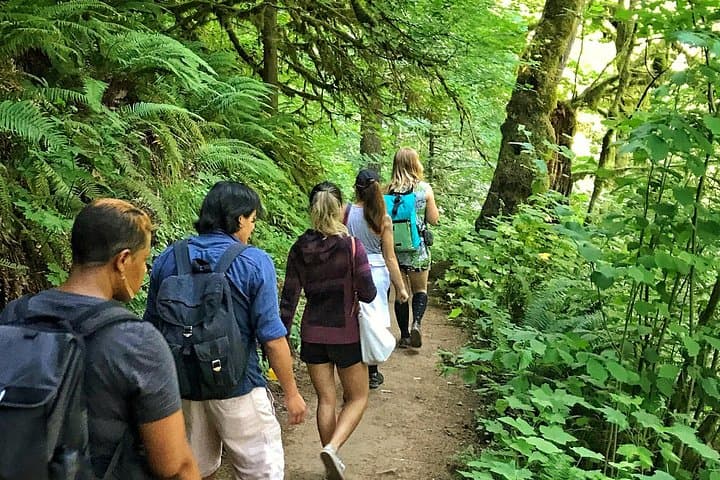
Lose the city for a few hours without leaving it: this 5-mile, 900-foot-gain Forest Park loop threads old-growth pockets, city viewpoints, and cultural landmarks for a compact taste of Portland’s wild side. Expect moss, roots, and stories.