
What the day feels like
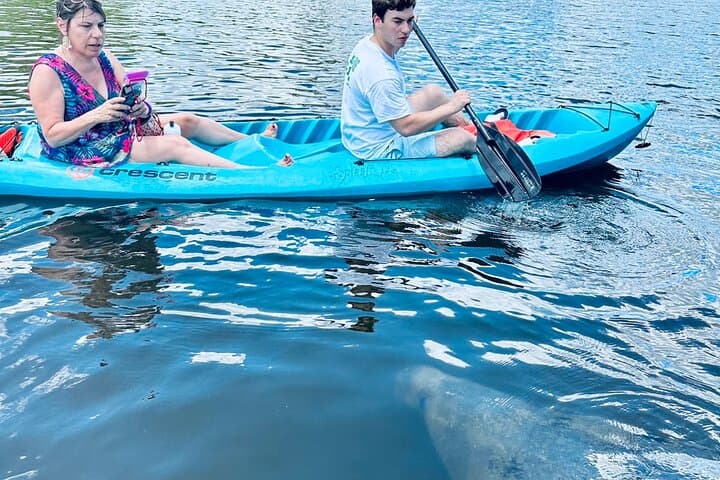
The morning curls like a low tide around your ankles. A thin glass of bay opens ahead, threaded with mangrove fingers and small islands that wear the light like a shawl. One moment the water is placid; the next a slick, gunmetal dorsal slices the surface and a bottlenose dolphin checks you out like an inquisitive neighbor—curious, cautious, and impossibly close. On a two-hour guided paddle near Cocoa Beach, the wildlife decides whether to greet you, and the job of the guide, the kayak, and your own patience is to keep your hands quiet and your breath steady.
This is not a race; it’s a conversation with a coastal ecosystem. The trip—run as an accessible kayak and stand-up paddleboard (SUP) tour—threads the Indian River Lagoon and the bay-side edges of the Space Coast. You’ll float through narrow channels, skirt mangrove roots that look like the exposed ribs of the island, and stop on a small sand clutch island where your guide lays out the local history: fishermen and surfers, the boom of the rocket age across the river at Kennedy Space Center, and a community built on tides and tourism.
Geologically, Cocoa Beach and its barrier islands are young—sand and shell piled over millennia, shaped each season by storms and currents. Ecologically, the Indian River Lagoon is a heavyweight. It’s one of the most biodiverse estuaries in North America, a nursery for sea turtles, manatees, and commercial fish species. That abundance is why a two-hour paddle can feel like a natural history lesson in motion: manatees bobbing like grey logs in shallow seagrass meadows, osprey lifting fish from glassy water, and pelicans stall-diving on the move.
Culturally, Cocoa Beach is equal parts old Florida and surf town—withed in NASA-era ambition. The Space Coast’s identity is built on launch windows and Atlantic swell; many locals divide the week between the pier and the paddock. The tour includes local color and a stop on a protected island where guides often point out evidence of the town’s maritime past: weathered pilings, old conch shells, and an explanation of the oyster reefs that once fed coastal families.
Practically: this is a 120-minute, guide-led excursion best for beginners and intermediate paddlers. Expect to cover roughly 2–4 miles depending on currents, with no elevation—this is sea-level work. Wear a lifejacket (provided), reef-safe sunscreen, and quick-draining footwear. The magic moment—dolphin encounters—happens year-round; manatees are more likely in cooler months when they congregate in warm pockets and channels. Tours cost from about $65 per person, include instruction and gear, and typically offer instant confirmation with flexible cancellation—handy when coastal weather turns.
Why go? A short tour strips away the logistics of independent exploring: you don’t need to scout launch points, interpret currents, or vet local wildlife etiquette. Guides read the water and the animals. They know where the manatees like to graze in seagrass, how to position kayaks to observe without intruding, and where a calm sandbar will let you step ashore for a water break and a quick history lesson. For families, photographers, or anyone who wants a compact nature hit with minimal planning, it’s a high-value outing.
Safety and stewardship are front and center. Florida forbids harassment of marine mammals—no touching, feeding, or chasing—and guides emphasize giving animals space. Stay low in the boat, let dolphins approach, and never block a manatee’s path. Use reef-safe sunscreen, secure phones in dry bags, and avoid dislodging seagrass when beaching.
Timing is a tactical choice. Early morning delivers glassy water and the best chance of quiet manatee encounters. Late afternoon offers warmer light and fewer boats. The heat of summer increases boat traffic and afternoon thunderstorms—so plan accordingly.
If you’re packing for the paddle, think small: a dry bag, water, a hat, polarized sunglasses, and reef-safe sunscreen. Leave bulky cameras behind unless they’re in a waterproof housing—phones in waterproof cases will capture the moment and keep your hands free to paddle.
In the two hours you’ll get a concentrated coastal experience: wildlife that can make you gasp, a primer on the lagoon’s role in fisheries and coastal protection, and the sense that, for a brief time, the shoreline’s tide chart and a dolphin’s curiosity set your schedule. It’s the kind of outing that reorients you—not just to the place but to a different pace, one where the ocean’s neighbors, from manatees to mangroves, are the real—if polite—hosts.
Booking notes: tours run year-round, but slots fill fast in spring and holiday seasons. Expect a mix of kayaks and SUPs; guides match gear to ability and comfort. If you want to prioritize photography, say so at booking—guides can position the group for light and wildlife. And remember: the animals decide whether the day will deliver a headline encounter. The rest is learning to be content with close company and a good guide.
Trail wisdom
Small choices, better day.
Go Early
Morning paddles usually mean glassy water, fewer boats, and a higher chance of manatee sightings.
Wear Water Shoes
Mangrove roots and shell-strewn sandbars are easier on your feet with grippy, quick-dry footwear.
Respect Wildlife Distance
Let dolphins and manatees approach on their terms; do not touch, feed, or chase them.
Pack a Dry Bag
Keep your phone, keys, and snacks secure and dry in a watertight bag for the whole trip.
Local knowledge
Read the place, not just the route.
Watch for native species including Bottlenose Dolphin, West Indian Manatee.
Keep an eye out for wildlife during the transition between areas and habitats. Respect distance guidelines.
The lagoon’s biodiversity is fragile—avoid disturbing seagrass beds, use reef-safe sunscreen, and follow guide instructions to minimize wildlife stress.
Follow the guide's instructions on size limits, ethical handling, and leave-no-trace practices.
Thousand Islands channels—quiet estuary pockets good for skirting mangroves. Merritt Island National Wildlife Refuge launch points for further paddling and birdwatching
Locally recommended viewpoints and quiet spots known best to local operators.
Cocoa Beach grew from a fishing and tourism community into a Space Coast hub after NASA’s mid-20th-century expansion, mixing surf culture with launch-day spectacle.
Maritime roots and regional tradition shape the waterways and working coasts.
Seasonal guide
Four versions of the same landscape.
Spring
Best forCalm seas · Dolphin encounters · Comfortable temperatures
ChallengesHigher bookings · Windy afternoons
Spring offers mild temperatures and calm mornings ideal for wildlife viewing, though tours book up quickly—reserve in advance.
Summer
Best forLush mangroves · Long daylight · Warm water swims
ChallengesAfternoon thunderstorms · Heat and humidity
Summer brings verdant scenery and warm water but also more boat traffic and sudden storms; schedule morning outings.
Fall
Best forFewer crowds · Mild weather · Good light for photography
ChallengesHurricane-season variability · Occasional northerlies
Fall can be a sweet spot—fewer visitors and pleasant light—though weather windows can shift quickly during storm season.
Winter
Best forManatee sightings · Cooler air · Clear skies
ChallengesCooler water temps · Variable winds
Winter concentrates manatees in warmer pockets and offers crisp skies—dress in layers and expect cooler on-water temps.
Operator details
What the booking data adds.
Included
- ✓lifejackets
- ✓The finest paddle boards in the World
- ✓Paddle board paddles and kayak paddles
- ✓One or two person kayaks
Not included
- —Gratuity
Good to know
- ✓Service animals allowed
- ✓Public transportation options are available nearby
- ✓Suitable for all physical fitness levels
Pack with intention
What to bring.
Good to know
Common questions.
Dolphins are commonly seen year-round; manatees are more likely in cooler months—guides cannot guarantee sightings but know the best local spots.
Plan the edges
The details that make the day easier.
The Indian River Lagoon, adjacent to Cocoa Beach, is one of the most biodiverse estuaries in North America, supporting more than 4,300 species.
After the paddle, walk the Cocoa Beach Pier for fresh seafood and sunset views or grab a casual meal at Coconuts on the Beach; local craft beer fans should check Cocoa Beach Brewing for a post-paddle pint.
- Closest airport
- Orlando International Airport (MCO) ~45–60 min drive; Meeting point: Cocoa Beach launch location (operator will confirm exact spot); Driving distance from downtown Cocoa Beach: under 15 minutes; Cell service: generally good but can be patchy in mangrove channels; Permits: none for casual tour participants—book the tour and follow guide directions.
This area hosts vulnerable seagrass and manatee habitats—pack out all trash, use reef-safe sunscreen, and avoid touching or feeding wildlife.
Explore by topic
Follow the threads.
Keep exploring
Make the story part of the trip.
Set out from Bass Harbor for a private, customizable day on Blue Hill Bay — lighthouses, puffins, seals, and the chance to feel Acadia from the water. Small groups, local captains, unforgettable views.
In four hours you can move from shaded canyon ferns to wind-scoured coastal ridgelines, guided by someone who knows where the light—and the hidden views—live. This private half-day hike on the Monterey Peninsula or Big Sur is compact, curated, and perfect for travelers who want depth without a multiday commitment.
 Related story
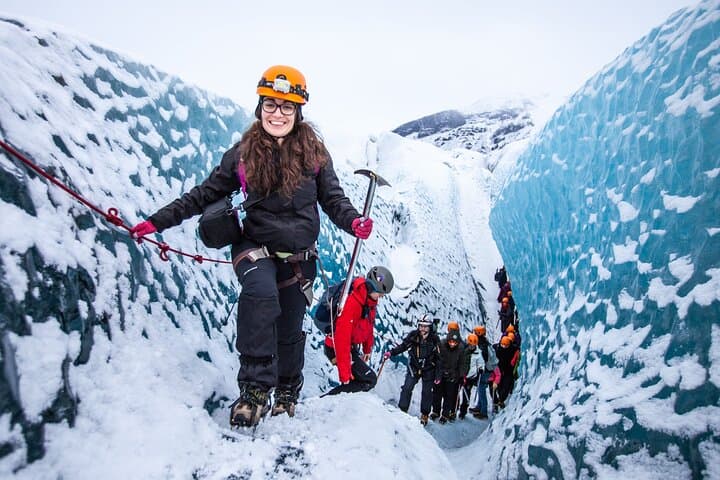
Beneath a sky of shifting light, Skaftafell’s ice reads like a map of time. This three-hour guided glacier hike mixes technical instruction with geology and culture: compact, safe, and unforgettable.