
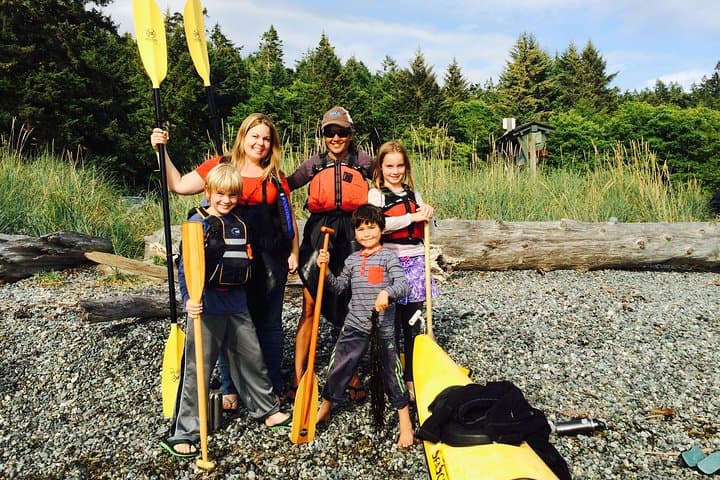
What the day feels like
The first thing you notice is the sound: a low, oceanic hush threaded with gull calls and the metallic creak of kelp swinging in the shallows. You step into a low-slung sea kayak at Bowman Bay and the water answers, cool and unexpectedly alive. For 90 minutes you’ll trade the hard line of the highway for a softer horizon, paddling calm, sheltered water under the watch of the Deception Pass Bridge and along a shoreline that has been shaping the region for millennia.
Bowman Bay sits in the lee of Deception Pass State Park on Whidbey Island, a pocket of sheltered sea that gives beginners a safe window into the drama of Puget Sound. This is not the roiling channel under the bridge—with its famously swift currents and swirling eddies—but the gentler bowl where tidal flows slacken and seals flop on sun-warmed rocks. Guides on family-friendly trips keep you inside that margin, teaching forward stroke, steering and how to read wind and tide, all while pointing out bald eagles perched on old snags and the slick flash of a river otter slipping between pilings.
Geology here feels lived-in: a collage of glacial till, scoured basalt outcrops, and tidal flats that tell a story of ice moving south, then retreating, leaving deep channels and drowned river valleys. The Deception Pass Bridge—completed in 1935—arches across the pass, an Art Deco ribbon of concrete and steel that turns the channel into a place of measured energy. The currents near the bridge can sing at up to seven knots during peak tide, which is why this particular guided tour avoids the bridge channel and focuses on the safer, interpretive paddling of Bowman Bay.
Culturally, this stretch of shoreline sits on land historically stewarded by the Coast Salish peoples, and the marine life—mussels, eelgrass meadows, and salmon runs—remains central to local foodways. Coupeville’s Penn Cove mussels, harvested nearby, are a good example of how the sea feeds both community and economy; after a paddle, nothing feels more right than a bowl of local shellfish and a cold beer.
Why go? The trip strips kayaking of its gatekeeping. The guides provide boats, paddles, PFDs and coaching, and they temper adrenaline with clear safety practices so you can focus on the sensory rewards: the hush of paddle blades, the flaky smell of eelgrass, the way sunlight fractures on seaworn wood. For photographers, the low angle captures seal faces and shoreline lichens in a way a trail can’t match. For families, it’s a way to get kids comfortable with watercraft before tackling more exposed channels.
Practical snapshot: this guided kayak experience runs roughly 90 minutes on the water. Expect a gentle 2–3 mile loop inside Bowman Bay—enough to feel like an outing without demanding fitness extremes. The tour price starts at roughly $54.94 per person and includes instruction and equipment, making it an easy add-on to a day in Deception Pass State Park.
Timing matters. Aim for a late-morning or early-afternoon launch when winds are typically lighter and tides are forgiving; guides monitor tidal windows and will steer you away from the bridge’s turbulence. Dress in layers and pack a dry bag for a spare jacket and your phone in a protective case. Footwear that can get wet—sneakers or neoprene booties—keeps your toes comfortable when launching from rocky beaches.
Wildlife is a significant draw. Harbor seals loaf on rocky points, pileated woodpeckers drum in the second-growth forest near the shore, and bald eagles cruise the thermals with a confidence born of centuries here. Porpoises visit sometimes; orcas pass the outer sound but are less common in the bay. Your guide will interpret animal behavior and point out foraging signs in the intertidal zones.
Skill and safety: no prior experience is required. Guides teach basic strokes, re-entry techniques (for controlled capsizes), and how to steer in tandem if you’re in a double. That said, you’ll want a reasonable sense of balance and comfort with being on the water; anyone with back issues or limited mobility should check in with the operator ahead of booking.
Local logistics are straightforward. Bowman Bay is part of Deception Pass State Park—one of Washington’s most-visited parks—so parking often requires a Discover Pass. The nearest practical bases are Oak Harbor and Coupeville on Whidbey Island; Anacortes and the ferries across Puget Sound are within easy driving distance if you’re coming from the mainland. Expect spotty cell service in the park; guides carry radios for safety.
Sustainability matters here. The shoreline and eelgrass beds are fragile—avoid stepping into shallow beds and use reef-safe sunscreen. Keep your distance from hauled-out seals and nesting shorebirds; a quietly paddled boat does more for wildlife sightings than a noisy approach.
If you’re thinking of booking, look for a guided <a href="https://app.advcollective.com/local-experts/bowman-bay-kayak-tour-beginner-paddling-deception-pass-state-park">Bowman Bay kayak tour</a> that explicitly advertises beginner-friendly routes and includes gear. The right guide will make the experience feel both safe and quietly wild—two things that rarely come together so neatly in the world of outdoor tourism.
On the return, while you shoulder your dry bag and lace up drier shoes, you’ll notice the bridge again—less as an obstacle and more as an icon of the place, a reminder that this narrow channel has always been a place of movement and meeting. If you’ve woken up stiff and a little unsure about your paddling stroke, that’s normal. Kayaking here is practice with payoff: easy to begin, generous in reward, and an honest way to meet one of the Pacific Northwest’s most characterful shorelines.
For a short, safe, and scenic entry into sea kayaking that feels like a full day of exploration, Bowman Bay does the job. Bring curiosity, a willingness to get a little wet, and an appetite for local seafood afterward. The water will do the rest.
Trail wisdom
Small choices, better day.
Check the Tide Window
Guides avoid the turbulent pass—plan trips around slack or outgoing tides to keep waters inside Bowman Bay calm.
Wear Quick-Dry Layers
Temperatures shift on the water—synthetic layers and a light waterproof shell keep you comfortable.
Protect Electronics
Bring a small dry bag or waterproof phone case; photos are worth keeping dry.
Give Wildlife Space
Keep distance from hauled-out seals and nesting birds to avoid disturbance and get better viewing opportunities.
Local knowledge
Read the place, not just the route.
Watch for native species including Harbor seal, Bald eagle.
Keep an eye out for wildlife during the transition between areas and habitats. Respect distance guidelines.
Eelgrass beds and intertidal zones here are fragile—stay out of shallow beds, use reef-safe sunscreen and pack out all trash to protect habitat.
Follow the guide's instructions on size limits, ethical handling, and leave-no-trace practices.
Penn Cove (mussel farms and calm coves). West Beach at Cranberry Lake for quiet tidepooling
Locally recommended viewpoints and quiet spots known best to local operators.
The Deception Pass Bridge, completed in 1935, helped connect communities and remains an iconic engineering landmark in the region.
Maritime roots and regional tradition shape the waterways and working coasts.
Seasonal guide
Four versions of the same landscape.
Spring
Best forMigrant birds · Early-season calm tides
ChallengesChilly water temps · Unpredictable winds
Spring brings abundant birdlife and increasing daylight; dress warmly and expect brisk mornings.
Summer
Best forWarmest water and weather · Longer daylight · Family outings
ChallengesHigher visitor numbers · Sun exposure
Summer is the easiest season for beginner paddles—warmer and calmer, but expect crowds.
Fall
Best forFewer crowds · Dramatic light · Active marine life
ChallengesCooling temps · Shorter days
Fall offers quieter bays and vivid light; bring a warm midlayer and plan around earlier sunsets.
Winter
Best forStorm-watching from shore · Empty trails
ChallengesCold water, rough weather · Limited launch windows
Winter paddling is possible only in calm spells and with advanced guides; most operators limit beginner trips during this season.
Operator details
What the booking data adds.
Included
- ✓All paddling gear is provided, includes paddles, tandem kayak, and life jackets.
Not included
- —Parking Fees
- —Bottled water
- —Snacks
- —Please bring water compatible shoes and clothing to match the weather.
Good to know
- ✓Not recommended for travelers with poor cardiovascular health
- ✓Suitable for all physical fitness levels
- ✓Not recommended for children under 3 years of age. Please call if you have questions.
- ✓Not recommended for people exceeding 265 pounds.
- ✓Not recommended for people taller than about 6'5". Call if you have questions.
- ✓PLEASE CALL US AFTER BOOKING. Due to the nature of booking on a third-party site, and our small group size, we highly recommend giving us a quick call after you book to make sure that your preferred departure time works for you. During the busiest days we often run full. In the unlikely event that your preferred trip is already full then we will definitely get you out on a trip leaving at a similar time. We just don't want to cause you any disappointment. Thank you!
- ✓WE CAN NO LONGER SEAT SINGLE TRAVELERS INTO KAYAKS WITH STRANGERS. We do not offer single kayaks on this trip. If you are a single traveler please call us so that we can get you set up on one of our longer trips that do have single kayaks available. Thank you!
Pack with intention
What to bring.
Good to know
Common questions.
No—this family-friendly tour is designed for beginners; guides teach strokes, steering and safety before launch.
Plan the edges
The details that make the day easier.
The Deception Pass Bridge was completed in 1935 and the state park spans shoreline on both Whidbey and Fidalgo Islands, making it one of Washington’s most visited parks.
After your paddle, head to Coupeville for Penn Cove mussels or stop in Oak Harbor for fresh seafood and a local brewery pint—Whidbey Island’s small towns pair perfectly with a day on the water.
- Closest major airport
- Seattle-Tacoma (SEA). Nearest towns: Oak Harbor (~15–20 minutes) or Coupeville (~25 minutes). Driving from Anacortes ~30–40 minutes. Cell service: patchy in parts of the park. Permits: Discover Pass required for parking in Washington State Parks.
This shoreline contains sensitive eelgrass and intertidal habitat—avoid stepping into eelgrass beds, use reef-safe sunscreen, and pack out all trash to protect marine life.
Explore by topic
Follow the threads.
Keep exploring
Make the story part of the trip.
Set out from Bass Harbor for a private, customizable day on Blue Hill Bay — lighthouses, puffins, seals, and the chance to feel Acadia from the water. Small groups, local captains, unforgettable views.
In four hours you can move from shaded canyon ferns to wind-scoured coastal ridgelines, guided by someone who knows where the light—and the hidden views—live. This private half-day hike on the Monterey Peninsula or Big Sur is compact, curated, and perfect for travelers who want depth without a multiday commitment.
 Related story
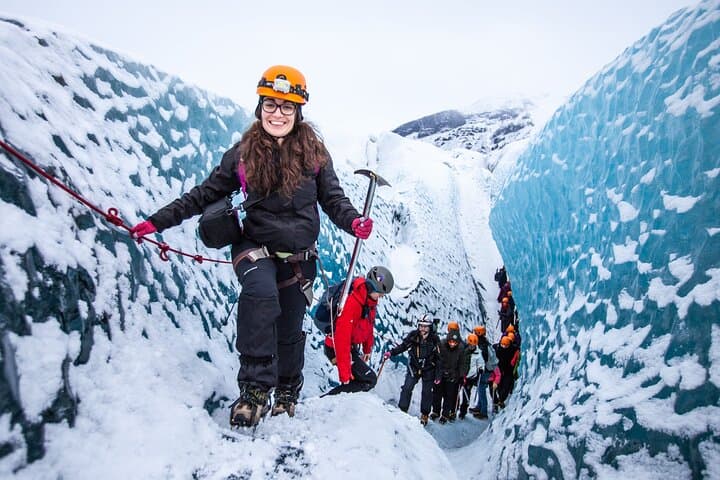
Beneath a sky of shifting light, Skaftafell’s ice reads like a map of time. This three-hour guided glacier hike mixes technical instruction with geology and culture: compact, safe, and unforgettable.