
What the day feels like
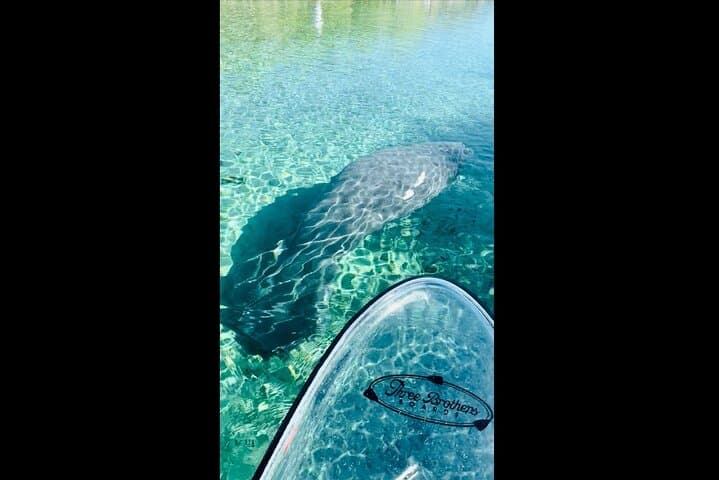
You push off from a low wooden dock and the water answers like glass—cool and impossibly clear beneath your board. Sunlight sifts through tannin-stained shallows and the springs’ pale limestone bottom, turning the river into a moving aquarium. A guide at your shoulder points without shouting; a circle of gray glides slow and sure beneath the surface, nostrils breaking the water to breathe. The manatee is all rounded momentum, a warm-bellied cathedral of movement that lets you watch but never hurry it. Up on the bank, a pair of rhesus macaques sit like old movie extras, watching you as casually as if you'd rolled up to a backyard barbecue.
This two-hour natural spring adventure, launched from Orlando, compresses Florida’s heady contrasts into a single outing: glassy spring water that dares you to paddle across it, introduced monkeys that trace a complicated cultural history, and the soft, lumbering presence of the West Indian manatee. The trip is family-run and practiced—guides give beginners a quick lesson on clear paddleboards and transparent kayaks, steering you toward the stretches with the best wildlife viewing and the cleanest water. It’s short, sensory, and designed to maximize intimate animal encounters while giving you practical time on the water.
Geology and history are quietly dramatic here. Florida’s springs are windows into an underground karst network—rainwater percolates through limestone for decades, then bursts out as veins of 72°F spring water. Those springs created waterways early settlers and tourists called enchanted; later, glass-bottom boats in the mid-20th century turned these springs into national curiosities. The rhesus macaques that populate some riverbanks trace back to animals introduced in the 1930s for film and attraction work; they’ve become an uneasy, enduring human legacy. Manatees, meanwhile, are seasonal regulars in winter months when colder Gulf waters push them inland toward the warm springs, relying on these sites as refuges.
On the river, nature feels deliberate. The current nudges your board, cypress roots reach like knuckled hands into the stream, and bald eagles wheel high on predictable thermals. Guides narrate without melodrama—how to read the water, where turtles like to loaf on drowned logs, what signs mean a manatee trough is nearby. There’s an ethic here: don’t chase wildlife; let it decide to come close. The animals, for their part, seem to have rules for us: manatees surface and vanish on their own terms, and the monkeys pick their moments to appear from mangrove tangles.
Why book this tour? It’s rare to find a short paddle that delivers such concentrated variety: easy watercraft for beginners, clear visibility to watch fish and submerged springs, and high-probability animal sightings all within a manageable two-hour window. It’s an excellent option for travelers staying in Orlando who want a natural reset without a long drive, families with older kids, or anyone who wants to see manatees outside of crowded winter hotspots. You’ll also leave with practical paddling confidence and a better sense of Florida’s spring ecosystems.
Practical notes: tours run about 120 minutes, include beginner instruction, and supply high-quality gear from clear paddleboards to two-person clear kayaks—so camera-friendly, low-fuss equipment is part of the draw. Expect light paddling, some steady standing on boards (if you choose SUP), and gentle currents rather than technical whitewater. Timing matters: winter months bring more consistent manatee encounters; early morning light is best for photography and calmer water.
Conservation threads weave through the trip. Guides often explain manatee protection rules and the complicated history of introduced monkeys; your behavior matters—no feeding, no chasing, and sunscreen choices matter too. Practically, bring reef-safe sunscreen, a dry bag for your phone, and a reusable water bottle; silence pays dividends when wildlife is near.
This outing isn’t about conquering terrain; it’s about close, respectful observation and a short but memorable immersion into Florida’s living springs. If you want to stretch it into a longer day, combine the paddle with a visit to a nearby state park or a glass-bottom boat ride to see the same water from another angle. For a two-hour window, though, this tour is one of the most efficient ways to get a sensory, educational, and reliably wildlife-rich slice of Florida’s natural side.
Trail wisdom
Small choices, better day.
Go early for calm water
Morning sessions have flatter glass and better light for spotting submerged life and photographing manatees.
Use reef-safe sunscreen
Protect wildlife by choosing biodegradable, oxybenzone-free sunscreen; it’s required in many spring areas.
Keep your distance from manatees
Let manatees approach on their own—do not pursue or touch them; guides will enforce setbacks.
Secure your phone
Bring a dry bag or wrist tether—clear boards are camera-friendly but a wet phone is a dead phone.
Local knowledge
Read the place, not just the route.
Watch for native species including West Indian manatee, Rhesus macaque.
Keep an eye out for wildlife during the transition between areas and habitats. Respect distance guidelines.
Springs are delicate karst systems—use reef-safe products, don’t feed wildlife, and follow guided setback rules to protect manatees and shore habitats.
Follow the guide's instructions on size limits, ethical handling, and leave-no-trace practices.
Quiet side channels where turtles loaf on logs. Shaded cypress groves with easier shore access for photos
Locally recommended viewpoints and quiet spots known best to local operators.
Glass-bottom boats made Florida springs famous in the 20th century; some introduced macaques date to attraction-era releases in the 1930s.
Maritime roots and regional tradition shape the waterways and working coasts.
Seasonal guide
Four versions of the same landscape.
Spring
Best forWarmer water swims · Wildflower riverbanks · Calmer crowds post-spring-break
ChallengesHigher pollen counts · Possible afternoon thunderstorms
Spring brings blooming shorelines and pleasant paddle temperatures—go early to avoid stormy afternoons.
Summer
Best forWarm evenings · Long daylight · Family-friendly outings
ChallengesHeat and humidity · Frequent afternoon storms
Summer is busy and hot; morning tours are essential to avoid heat and daily storms.
Fall
Best forFewer tourists · Mild temperatures · Clearer skies
ChallengesVariable water visibility after rains · Shorter days
Fall offers a quieter experience and comfortable paddling—watch for low, shifting light later in the day.
Winter
Best forManatee sightings · Calm, cool mornings · Crisp visibility
ChallengesChilly air and damp mornings · Higher demand (book early)
Winter is peak manatee season and the best time for reliable sightings—expect colder air, but warm spring water.
Operator details
What the booking data adds.
Included
- ✓Life Vests
- ✓Optional Upgrade: High-End Wood Paddle Boards
- ✓Paddles (Kayak or Paddle Board)
- ✓Expert Local Guide (Wildlife & Safety Instruction)
- ✓Premium Clear Kayaks
Not included
- —Gratuity
Good to know
- ✓Service animals allowed
- ✓Public transportation options are available nearby
- ✓Suitable for all physical fitness levels
Pack with intention
What to bring.
Good to know
Common questions.
No—the tour includes a beginner lesson and uses stable, clear paddleboards or two-person kayaks; guides support first-timers.
Plan the edges
The details that make the day easier.
Rhesus macaques were introduced to the Silver River area in the 1930s for attractions and filming, and descendants still inhabit some spring shorelines today.
After the paddle head back toward Orlando or Ocala for regional flavor—Winter Park and downtown Orlando offer craft breweries and farm-to-table restaurants; for a quieter vibe, try local seafood and citrus-forward dishes in small-town diners near springheads.
- Closest airport
- Orlando International Airport (MCO); Typical drive from Orlando: 40–90 minutes depending on springhead; Cell service: intermittent once on the water; Permits: none generally required for guided tours—confirm with operator.
This area’s springs are part of a fragile karst aquifer—use reef-safe sunscreen, pack out all trash, and respect wildlife setbacks to minimize disturbance to manatees and shore habitats.
Explore by topic
Follow the threads.
Keep exploring
Make the story part of the trip.
Set out from Bass Harbor for a private, customizable day on Blue Hill Bay — lighthouses, puffins, seals, and the chance to feel Acadia from the water. Small groups, local captains, unforgettable views.
In four hours you can move from shaded canyon ferns to wind-scoured coastal ridgelines, guided by someone who knows where the light—and the hidden views—live. This private half-day hike on the Monterey Peninsula or Big Sur is compact, curated, and perfect for travelers who want depth without a multiday commitment.
 Related story
Beneath a sky of shifting light, Skaftafell’s ice reads like a map of time. This three-hour guided glacier hike mixes technical instruction with geology and culture: compact, safe, and unforgettable.