
What the day feels like
You start in Gatlinburg with the hum of a small coach underfoot and the sort of anticipation that comes before a door opens on a big landscape. The road lifts you up and away from the town—switchbacks, a tightening forest, then a clearing where the ridge throws back its curtains and the Smokies reveal themselves in blue layers. This is not a scripted panorama; it is a sequence of edges and exposures, a living textbook of ridgelines. The Over the Top Tour in Oconaluftee takes five hours to stretch across the crest of the Smokies and down into the sheltered Oconaluftee Valley, and in that time you meet a range of moods: wind-scoured rock, sunlit pastures, and a valley where history still breathes through log cabins and a working mill.
The drive follows one of the Southeast's most storied corridors, crossing the crest on the high road that bisects the park. Rolling out over the pass, the highway moves between far-reaching overlooks where the exposures are abrupt, almost theatrical. On a clear morning the vistas carry a hundred miles of layered ridges; on fog days the mountains push clouds across your windshield like a slow tide. These small weather states are part of the ride's personality—switch your gaze from valley to sky and the place keeps changing its temper.
Once you descend into Oconaluftee, the tone changes. The valley is a pocket of cultivated space within a wild park—historic structures, meadows, and the slow-turning wheel of Mingus Mill. Park interpreters and preserved homesteads tell a two-sided story: the Cherokee people who lived on these slopes for generations, and the European-descended mountaineers who made a living here out of timber, farming, and craft. A guided stop at the Mountain Farm Museum gives you an intimate look at vernacular architecture—hewn logs, split rails, and hand-forged tools that feel like artifacts of a different economy.
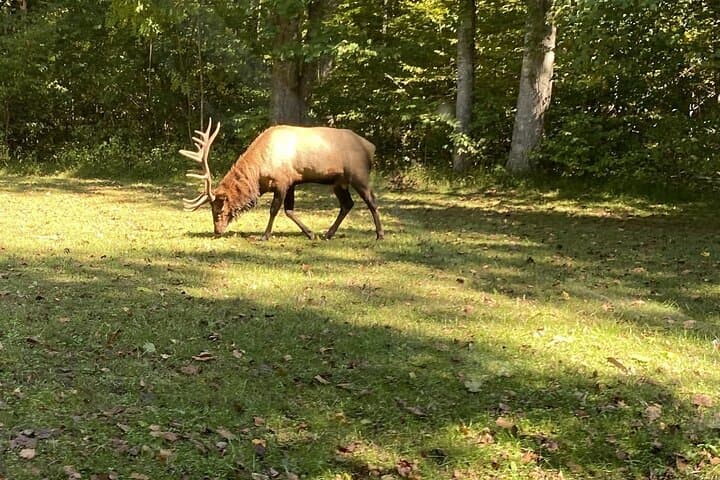
But the valley is also alive. In 2001 the National Park Service reintroduced elk to this part of the Smokies after an absence of more than a century, and their presence changed the valley's rhythm. You may see solitary cows grazing, or a bull moving like punctuation across a meadow. Guides on the tour know the elk's habits and where to watch quietly from a respectful distance. Elk viewing is one of the tour's main draws; it is wildlife-watching that feels immediate but regulated—no feeding, no crowding, just time to watch the largest mammals in the park go about their business.
Practical detail matters on an outing like this. The tour runs about five hours, it moves by coach, and it includes stops for short walks—expect boardwalks and gentle dirt paths rather than technical trails. Mingus Mill and the Mountain Farm Museum involve short, flat loops of less than a mile. The road over the crest, meanwhile, climbs and descends; while you are a passenger, motion sensitivity and warm sun at overlooks are real planning considerations. Dress in layers, bring binoculars, and plan your day around light: mornings and late afternoons are prime for elk activity and for the soft, low-angle light that flattens mountains into photographic planes.
Cultural context deepens the trip. 'Oconaluftee' is a Cherokee-derived name and the valley sits near the Qualla Boundary, the land base of the Eastern Band of Cherokee Indians. This adds a layer of living heritage to the preserved settler homesteads; the valley is not only a museum but a place within an ongoing cultural landscape.
If you want to make the most of it, arrive early and take the longer view. The 5-hour tour price reflects transport, interpretation, and the advantage of local knowledge—your guide can read elk sign, interpret old structures, and thread the best viewpoints into the schedule. Photographers will note that clouds and haze can flatten distant ridges; pay attention to foreground elements—split rails, outbuildings, or a meadow edge—to create depth.
The tour is pragmatic adventure: no long pack-in, no route-finding, and a high ratio of payoff to effort. That makes it ideal for travelers who want to experience the crest-to-valley sweep of the Smokies and couple that with museum-like cultural stops and wildlife viewing. It is also a good half-day primer if you plan to return for hikes—consider it reconnaissance for longer walks into the park.
Sensible stewardship is part of the trip. Keep distance from elk, stay on designated paths, and follow your guide's advice at all times. The valley is both a natural system and a cultural archive; treating it that way keeps both the kilns of history and the herds of elk healthy for the visitors behind you.
If you have an appetite after the tour, head back toward Gatlinburg for trout and craft brews, or stop in Cherokee for frybread and a glimpse of Qualla Boundary life. Either way, the memory of the drive—its ridge-line exposure, its valley hush, and the surprise of elk in a meadow—tends to stick. For anyone with a soft spot for good roads, soft light, and animals framed against mountain scale, this is a tidy, richly textured way to spend a morning or afternoon in the Smokies. Bookings are instant and repeatable; weather is variable, but the route is resilient. There is an economy to this kind of travel: five hours, a coach, expertise, and access to places you would otherwise spend an entire day finding on your own.
For reservations and local guide info visit the Over the Top tour page here: <a href="https://app.advcollective.com/local-experts/over-the-top-tour-scenic-drive-oconaluftee-elk-viewing">Over the Top Tour: Oconaluftee scenic drive & elk viewing</a>.
Trail wisdom
Small choices, better day.
Time your light
Book morning or late-afternoon departures when elk are most active and mountain light is at its best.
Dress in layers
Temperatures on the crest can be 10–20°F cooler than the valley; bring a wind layer even on sunny days.
Binoculars and camera
A compact spotting scope or 300mm+ lens helps with respectful elk viewing across meadows.
Respect wildlife distance
Elk are wild and unpredictable—stay on trails and follow your guide’s instructions for safe viewing distances.
Local knowledge
Read the place, not just the route.
Watch for native species including Elk, White-tailed deer.
Keep an eye out for wildlife during the transition between areas and habitats. Respect distance guidelines.
Elk were reintroduced to the Smokies in 2001; visitors are asked to observe from a distance and leave natural areas undisturbed.
Follow the guide's instructions on size limits, ethical handling, and leave-no-trace practices.
Mingus Mill and the adjacent walking loop for intimate cultural context. A short stop at the Oconaluftee Visitor Center herb garden and interpretive exhibits
Locally recommended viewpoints and quiet spots known best to local operators.
Oconaluftee preserves both Cherokee heritage and 19th-century mountain homesteads that illustrate early Appalachian lifeways.
Maritime roots and regional tradition shape the waterways and working coasts.
Seasonal guide
Four versions of the same landscape.
Spring
Best forWildflowers · Quieter roads
ChallengesUnpredictable weather · Residual mud on low trails
Spring brings emerging green and waterfalls at full voice; roads are open but expect cool mornings and sudden showers.
Summer
Best forLong days · Warm valley hikes
ChallengesFog and haze · Crowds at overlooks
Summer offers long light and vibrant green, but haze can reduce long-distance views and mid-day traffic increases.
Fall
Best forFall colors · Elk rut viewing
ChallengesHigh visitor numbers · Limited parking at overlooks
Fall is peak scenic season—crisp mornings and dramatic color make it prime for drives and elk encounters.
Winter
Best forSnow-dusted ridgelines · Clear long-distance views
ChallengesIcy roads · Cold, short days
Winter can yield stark, snowy panoramas but occasional closures and slick conditions require flexible scheduling.
Operator details
What the booking data adds.
Included
- ✓Bottled water
- ✓Snacks
Not included
- —Car seats- please provide your own car seat for children that are too small for a regular seat belt
Good to know
- ✓Suitable for all physical fitness levels
- ✓Please provide your own infant/booster seat if needed
Pack with intention
What to bring.
Good to know
Common questions.
The tour lasts about five hours and includes multiple stops for overlooks, short walks, and interpretive visits in Oconaluftee Valley.
Plan the edges
The details that make the day easier.
Elk were successfully reintroduced to the Great Smoky Mountains National Park in 2001 after an absence of more than a century.
After the tour, head back to Gatlinburg for wood-fired trout and local craft beer, or stop in Cherokee for frybread and native arts—both offer complementary flavors to the mountain experience.
- Closest airport
- McGhee Tyson (TYS) in Knoxville; Trailhead
- Departure
- Gatlinburg meeting point (operator provides exact location); Driving distance: Gatlinburg to Oconaluftee ~30–45 miles one-way depending on route; Cell service: intermittent on the crest; Permits: No park entrance fee, but obey seasonal road closures and parking restrictions.
Stay on designated paths, do not feed wildlife, pack out any trash, and maintain respectful viewing distances from elk and other animals.
Explore by topic
Follow the threads.
Keep exploring
Make the story part of the trip.
In four hours you can move from shaded canyon ferns to wind-scoured coastal ridgelines, guided by someone who knows where the light—and the hidden views—live. This private half-day hike on the Monterey Peninsula or Big Sur is compact, curated, and perfect for travelers who want depth without a multiday commitment.
 Related story
Beneath a sky of shifting light, Skaftafell’s ice reads like a map of time. This three-hour guided glacier hike mixes technical instruction with geology and culture: compact, safe, and unforgettable.
 Related story
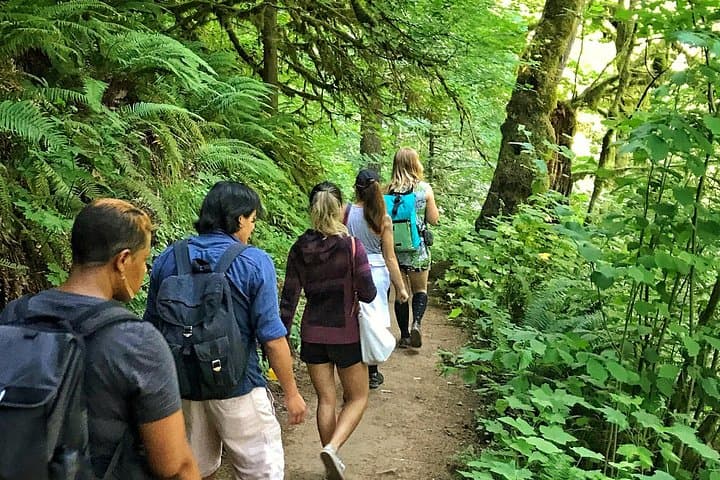
Lose the city for a few hours without leaving it: this 5-mile, 900-foot-gain Forest Park loop threads old-growth pockets, city viewpoints, and cultural landmarks for a compact taste of Portland’s wild side. Expect moss, roots, and stories.