
What the day feels like
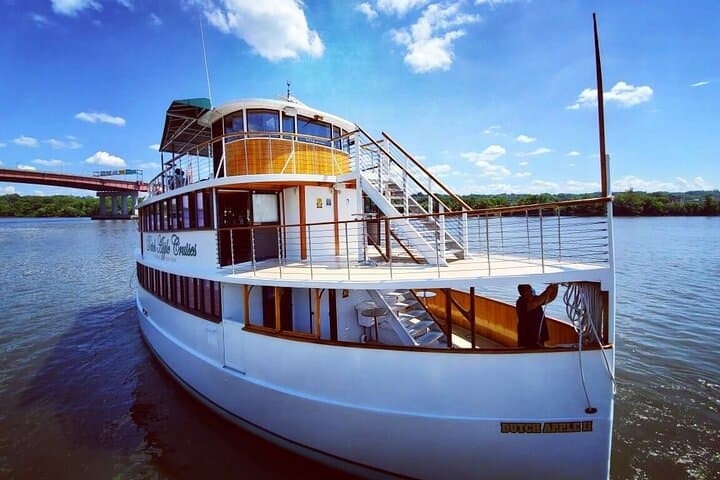
The Dutch Apple II eases away from the Albany dock with the kind of polite authority only a river can muster. The boat doesn't hurry; the Hudson does the pressing work, pulling you down a corridor of brick mansions, industrial backsides turned to quiet, and tree-lined bluffs that catch late light like a painter's varnish. For 90 minutes the river tells you who it has been—colonial highway, industrial engine, artist's muse—and invites you to listen. The narration aboard the cruise moves between anecdote and hard fact: stories of steamboat captains and canal barons, of the river's role in war and commerce, of the subtle tidal push that reaches well inland. It's a tour that fits Albany like a glove—short enough for a day-trip schedule, deep enough to leave a memory you can return to.
There is an immediate democracy to the experience. Parents with wide-eyed kids train binoculars on distant treetops; locals point out a familiar riverside estate; out-of-towners gape at the skyline where a modest state capitol dome looks magnified by the water. Bald eagles and osprey occasionally punctuate the narration. The cruise helps you see the Hudson as a living corridor: a migrating route for fish and birds, a geological seam carved since the Ice Age, and a cultural artery around which early Dutch, English, and later American industrial life coalesced. The Hudson River School painters of the 19th century found their light here; a century later, steamboats like the ones Robert Fulton popularized turned these waters into a working highway that fed New York City's appetite and helped make Albany a regional hub.
Geology and history are close companions on the cruise. You glide past glacially scoured bluffs and sediment fans dropped by rivers that once braided the valley; you pass remnants of old wharves and hulks of factories that speak to the Hudson's role in the Industrial Revolution. The narration ties these features together with human stories—Patroon estates and Erie Canal-era growth—that show how land and people shaped one another. The river itself gets personality in the telling: it tests patience at low tide, offers serenity on calm days, and dares you with a shoreline path lined by houses that have been part of the river's daily audience for centuries.
Practical details matter, and this cruise has them dialed in. Boarding begins 30 minutes prior to departure and the ride is 90 minutes—long enough for a relaxed exploration but short enough to fit into a half-day schedule. Dress in layers: the river can be three to five degrees cooler than downtown Albany, and wind off the water bites. Bring binoculars if you want to pick out individual birds or architectural details on the far shore; a compact camera with a modest zoom will do more than phone portrait mode for shoreline and wildlife shots. The cruise is family-friendly and accessible to travelers of all ages; motion on the Hudson is usually gentle, but those prone to seasickness should consider a stabilizing wristband or a seat near the center for the calmest ride.
For planning, pick your timing for what you want to see. Early summer brings breeding birds and full green canopy; late summer is flat light and slow river traffic; fall is spectacular for foliage reflected on the water; and sunset cruises—when offered—turn the river into a moving, living painting. Weekends are popular; midweek departures are quieter and often better for photos and birding. Tickets are priced to be approachable, making this an excellent option for a quick cultural-and-nature fix without hiring a car or organizing a long hike.
The commute from Albany’s downtown to the dock is short—many hotels and restaurants are within walking distance—so you can make the cruise the spine of a half-day exploring the city's Riverfront Park, the Corning Preserve, or the Warehouse District. After disembarkation, consider lingering for coffee and a local sandwich, or stroll a nearby trail to keep the river in view.
This is the kind of outing that suits both the city-curious and the nature-minded. It offers the cultural context of Albany—its role in early American commerce and politics—without requiring a day of museum visits. It offers wildlife glimpses and river geology without a long, muddy walk. The Hudson here is generous: it gives history, habitat, and perspective in a package that asks only that you arrive on time, pay attention, and let the river set the pace. If you leave with binocular imprints and a list of sites you want to revisit from shore, the cruise has done its job.
Why go? Because in an hour and a half the Hudson clarifies the landscape around Albany: who shaped it, why the town sits where it does, and how alive a river can be when you stop to observe. Practical, scenic, and quietly rich in detail, this cruise is a primer on the region—satisfying enough for return visitors and perfectly timed for first-timers who want the best of the Hudson with minimal fuss.
Trail wisdom
Small choices, better day.
Arrive early to secure seating
Boarding opens 30 minutes before departure and boats leave on time; arriving early gets you a preferred seat for photos and calmer motion.
Bring binoculars
A compact pair helps you spot bald eagles, herons, and architectural details on distant riverbanks.
Layer clothing
Temperatures on the water are cooler and windier than on shore—bring a windbreaker or fleece.
Pack a refillable bottle
Hydration is easy to carry and better for the environment; check if the boat has concessions before boarding.
Local knowledge
Read the place, not just the route.
Watch for native species including Bald eagle, Osprey.
Keep an eye out for wildlife during the transition between areas and habitats. Respect distance guidelines.
The Hudson River has benefited from decades of cleanup and restoration; visitors should avoid disturbing shoreline habitats and pack out all trash to protect water quality and wildlife.
Follow the guide's instructions on size limits, ethical handling, and leave-no-trace practices.
Walk the Corning Preserve trail for close-up river views and local sculptures. Visit the nearby Hudson River Way for a quieter stretch of shoreline and birdwatching
Locally recommended viewpoints and quiet spots known best to local operators.
Albany has been a river town since Dutch colonial times and served as a major 19th-century transportation hub when the Hudson and Erie Canal connected inland New York to New York City.
Maritime roots and regional tradition shape the waterways and working coasts.
Seasonal guide
Four versions of the same landscape.
Spring
Best forMigratory birdwatching · Fresh green river vistas
ChallengesUnpredictable weather · Cooler temperatures on the water
Spring brings migrating waterfowl and early blooms; dress for variable conditions and occasional wind.
Summer
Best forFamily-friendly outings · Long daylight for photos
ChallengesHigher humidity · Busier weekend crowds
Summer offers warm, lush scenery and the most frequent departures, but bring sun protection and expect more passengers.
Fall
Best forFoliage reflections · Golden-hour photography
ChallengesCooler evenings · Earlier sunsets
Autumn is peak for color on the Hudson; layers and an early booking ensure the best viewing spots.
Winter
Best forQuiet, off-season views · Sharp winter light
ChallengesLimited departures · Cold and wind on deck
Winter cruises are rare but offer stark, clear views; expect very limited schedules and dress warmly.
Operator details
What the booking data adds.
Included
- ✓Narrated by a Hudson River historian
- ✓Fully narrated 90-minute sightseeing tour
Not included
- —Food & drinks available for purchase (cash & credit accepted)
Good to know
- ✓Infants and small children can ride in a pram or stroller
- ✓Service animals allowed
- ✓Public transportation options are available nearby
- ✓Suitable for all physical fitness levels
- ✓Operates in all weather conditions, please dress appropriately
- ✓Binoculars are recommended for eagle sightings
- ✓No outside food or beverages are permitted. Full bar and snack bar available on board. Cash & Credit accepted.
Pack with intention
What to bring.
Good to know
Common questions.
The Hudson River Sightseeing Cruise from Albany runs for 90 minutes.
Plan the edges
The details that make the day easier.
The Hudson River inspired the 19th-century Hudson River School of landscape painters, who helped shape America's early national identity through art.
After the cruise, head into downtown Albany or the Warehouse District for farm-to-table restaurants and local breweries. Washington Park and Lark Street offer cafes and gastropubs where you can compare notes about the river over a craft beer or seasonal plate.
- Closest airport
- Albany International Airport (ALB). Dock
- trailhead
- Albany Riverfront (walking distance from downtown hotels). Driving from downtown Albany: 5–15 minutes. Cell service: Good in city, generally reliable on the river. Permits: None required for passengers; check operator rules for large groups.
The Hudson has needed and continues to benefit from conservation work—reduce plastic waste, stay on designated paths, and avoid disturbing nesting birds along the shore.
Explore by topic
Follow the threads.
Keep exploring
Make the story part of the trip.
In four hours you can move from shaded canyon ferns to wind-scoured coastal ridgelines, guided by someone who knows where the light—and the hidden views—live. This private half-day hike on the Monterey Peninsula or Big Sur is compact, curated, and perfect for travelers who want depth without a multiday commitment.
 Related story
Beneath a sky of shifting light, Skaftafell’s ice reads like a map of time. This three-hour guided glacier hike mixes technical instruction with geology and culture: compact, safe, and unforgettable.
 Related story
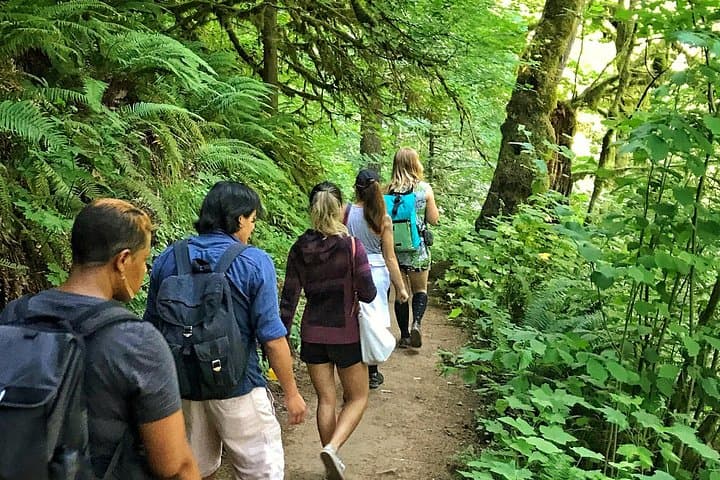
Lose the city for a few hours without leaving it: this 5-mile, 900-foot-gain Forest Park loop threads old-growth pockets, city viewpoints, and cultural landmarks for a compact taste of Portland’s wild side. Expect moss, roots, and stories.