
What the day feels like
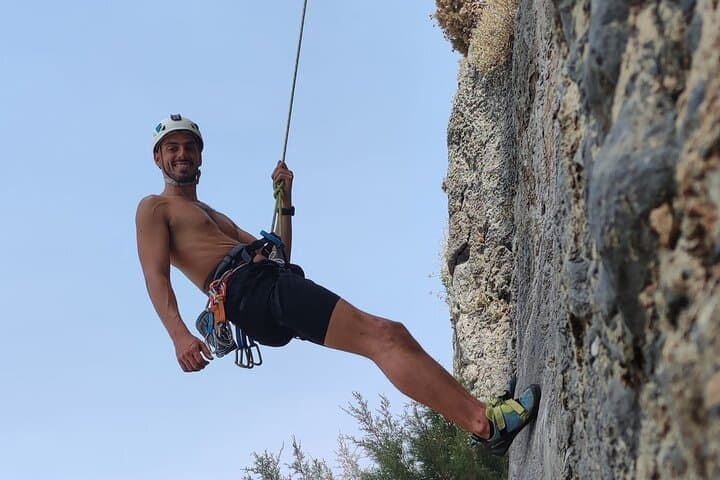
The first time you walk under the Merenta walls, the rock feels older than the city itself. Grey limestone rises in clean faces and pocketed overhangs, the sort of stone that invites both careful hands and bold attempts. The trees that cap the ridge lean out like witnesses, and on a clear day the city of Athens sprawls to the south—white roofs folded around the Acropolis like an ember that never quite goes out. A certified guide meets you with ropes and a grin, and suddenly the map in your head—tourist sites, metro lines—pulls back to reveal a different Athens, one measured in holds and high steps.
Merenta is not a remote alpine amphitheater; it’s a local crag within reach of the urban rhythm. That proximity is part of its appeal: you spend your morning moving on limestone formed under ancient seas, then your evening back in a lively taverna over grilled fish and a cold beer. The guided half-day experience here is designed to be inclusive. Beginners get careful coaching on belaying, footwork, and efficient use of chalk; experienced climbers get route beta tailored to challenge technique and endurance. The result is an approachable, human-scale climbing day with panoramic payoff.
Geologically, Merenta’s limestone is the same character that built the Acropolis outcroppings—compact, with pockets and crimps that demand precise foot placements. Those features create a playground of short, punchy pitches and vertical faces that reward body positioning as much as raw strength. The rocks don’t shout; they converse. You listen by feeling your feet and trusting your hands. In summer the sun warms the stone; in spring and fall, the angles and cooling winds make for comfortable sequences.
There’s a cultural harmony to climbing this close to Athens. Greeks have always moved between city and mountain, and modern climbing communities here combine neighborhood friendliness with hard-earned local knowledge. Your guide isn’t just there for safety—he or she is a translator of place: which line is in shade at 10 a.m., where the best hand-crack waits, and which narrow taverna will have the best post-climb souvlaki.
Practicalities matter when you’re on exposed limestone. The guided trip runs roughly 4.5 hours and is paced for learning and time on the rock. Expect a short approach—typically a 5–20 minute walk on uneven trail—minimal elevation gain from the road to the base, and routes that are primarily single-pitch top-ropes with some options for lowering or short rappels. The guides provide harnesses, helmets, and ropes, but you should bring sturdy shoes that can handle chalk and rough talus on the approach.
Hydration and timing are simple, practical levers that make a day here excellent. Aim for a morning or late-afternoon session in summer to avoid midday heat; in spring and fall, the light and temperatures are ideal for climbing long sequences. The limestone drinks chalk, so consider using less than you might at an indoor gym—too much chalk dulls friction and changes the rock’s texture over time. Leave fixed draws and anchors to the guide; their rigging reflects knowledge of the rock’s quirks and best practices for conservation.
This climbing experience is a good fit for a lot of travelers. If you’re a first-timer, you’ll learn fundamentals and complete fun, confidence-building top-rope climbs; if you’re more experienced, the guide will pick lines that test footwork, balance, and sustained movement. And for anyone who wants a strong local flavor to their outdoors day, the Merenta sector delivers: you can finish with an espresso or a cold beer just a short drive back into town.
How to plan it: book the guide in advance—Merenta is popular with day visitors and locals alike—and check the season. Spring and fall are generally the most comfortable times; summer mornings work but bring sun protection and extra water. Wear shoes with sticky rubber and good edging ability; if you own a personal harness, bring it for comfort though the guide provides certified equipment. Finally, leave no trace: pack out trash, minimize chalk use, and stick to established trails to protect the shrub and fragile soils around the cliff base.
By the time you lower off your final route, the urban lights of Athens may already be twinkling. There’s a strange, resonant pleasure in switching from vertical movement on limestone to walking the alleys of a city that has watched empires rise and fall—not because the climb was a conquest, but because it reminded you how layered place can be: geological time in one hand, human stories in the other. A guided day at Merenta gives you both perspectives—skills in ropework and a new vantage on an ancient city.
Trail wisdom
Small choices, better day.
Book morning sessions in summer
Summer heat can make midday climbing uncomfortable; early starts keep rock temperatures lower and hands fresher.
Bring a personal harness if you have one
Guides supply equipment, but a well-fitting harness improves comfort and confidence on longer routes.
Minimize chalk use
Use chalk sparingly to preserve friction on the limestone and reduce visual impact on the rock.
Wear shoes with good edging
Sticky rubber and precise edging ability help you move efficiently on pocketed limestone holds.
Local knowledge
Read the place, not just the route.
Watch for native species including Greek tortoise, Common kestrel.
Keep an eye out for wildlife during the transition between areas and habitats. Respect distance guidelines.
Cliffside vegetation and thin soils are fragile—use established paths, avoid trampling scrub, and minimize new fixed hardware to protect the rock and habitat.
Follow the guide's instructions on size limits, ethical handling, and leave-no-trace practices.
Early-morning viewpoint above the sector with Acropolis sightlines. A small herb-scented picnic terrace near the base—ask your guide about it
Locally recommended viewpoints and quiet spots known best to local operators.
Athens’ limestone outcrops have been used architecturally and culturally for millennia; the Acropolis dates primarily to the 5th century BCE.
Maritime roots and regional tradition shape the waterways and working coasts.
Seasonal guide
Four versions of the same landscape.
Spring
Best forComfortable temperatures · Learning technique · Long granite-like sequences
ChallengesOccasional rain · Cool mornings
Spring brings ideal climbing temps and stable rock conditions—expect brisk mornings that warm into pleasantly movable afternoons.
Summer
Best forEarly-morning shade climbs · Long daylight hours · Combining with beach trips
ChallengesMidday heat · Sun-exposed routes get hot
Summer climbs are best scheduled for early mornings or late afternoons to avoid high temperatures and sun-baked rock.
Fall
Best forConsistent weather · Peak shoulder-season conditions · Photogenic light
ChallengesShortening days · Occasional windy spells
Fall often provides the most stable, comfortable conditions with warm days and cool evenings—great for extended technique work.
Winter
Best forMild winter days · Less crowded crags
ChallengesChilly conditions · Short daylight
Winters can be cool but workable on sunny days; dress in layers and bring warm gloves for belaying.
Operator details
What the booking data adds.
Included
- ✓Equipment
- ✓Bottled water
- ✓certified climbing instructor
- ✓Photos and Videos
Not included
- —Lunch
- —Entrance ticket 5 euros
- —Snacks
Good to know
- ✓Not recommended for travelers with spinal injuries
- ✓Not recommended for pregnant travelers
- ✓Not recommended for travelers with poor cardiovascular health
- ✓Travelers should have at least a moderate level of physical fitness
Pack with intention
What to bring.
Good to know
Common questions.
No—guided sessions are suitable for beginners; guides teach belaying, basic ropework, and route technique.
Plan the edges
The details that make the day easier.
The Acropolis of Athens dates primarily to the 5th century BCE, placing Greece’s ancient cultural landmarks within sight of modern climbing areas—illustrating the region’s long human and geological history.
After the crag, head back into town for grilled seafood or souvlaki in Piraeus or a relaxed taverna in Plaka; many climbers finish with Greek coffee and a shared plate of meze—ask your guide for neighborhood favorites.
- Closest airport
- Athens (ATH)
- Typical drive to crag
- 20–45 minutes from central Athens
- Cell service
- generally good near road and parking, spotty at cliff base in places
- Permits
- None typically required, but respect local access rules and guide instructions.
This area’s limestone and scrub are sensitive—pack out all trash, avoid placing new bolts, and keep chalk use minimal to preserve rock quality and habitat.
Explore by topic
Follow the threads.
Keep exploring
Make the story part of the trip.
Set out from Bass Harbor for a private, customizable day on Blue Hill Bay — lighthouses, puffins, seals, and the chance to feel Acadia from the water. Small groups, local captains, unforgettable views.
In four hours you can move from shaded canyon ferns to wind-scoured coastal ridgelines, guided by someone who knows where the light—and the hidden views—live. This private half-day hike on the Monterey Peninsula or Big Sur is compact, curated, and perfect for travelers who want depth without a multiday commitment.
 Related story
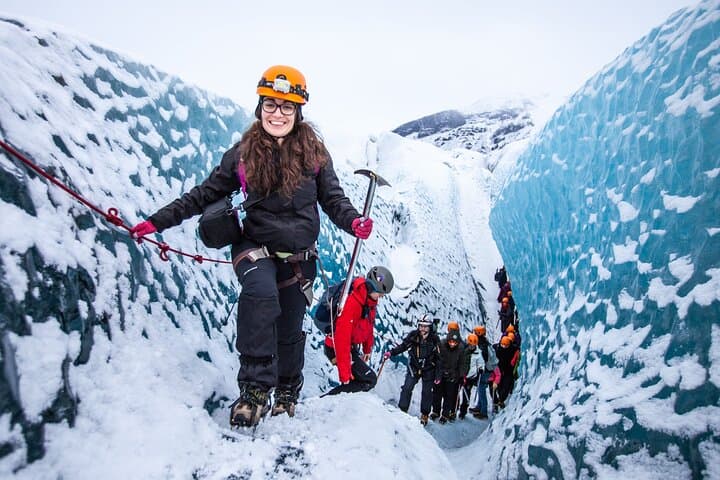
Beneath a sky of shifting light, Skaftafell’s ice reads like a map of time. This three-hour guided glacier hike mixes technical instruction with geology and culture: compact, safe, and unforgettable.