
What the day feels like
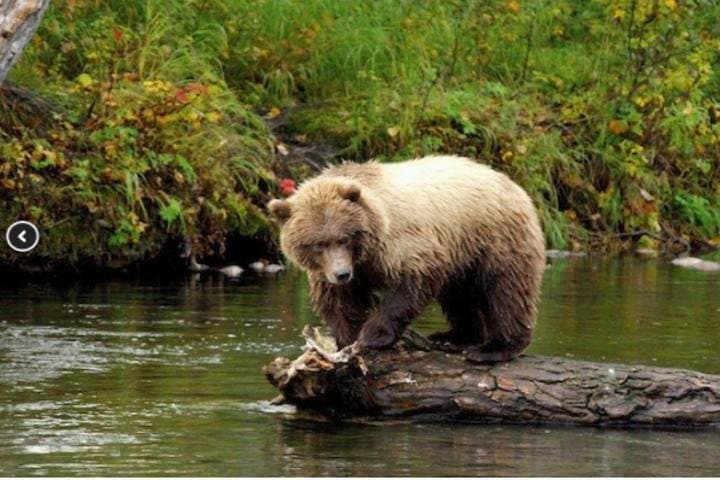
The cruise tender pulls away and the world snaps into focus: a fringe of spruce and hemlock, black water freckled with kelp, and a shoreline that seems to be waiting with its breath held. The air tastes cold and clean, charged with salt and something older — the musk of spruce, cool peat, and, faintly, salmon. Your guide lowers a pair of binoculars into your hands, points to a low knoll, and there — a russet shoulder rolling through sedge — a brown bear is feeding in the slack tide. For the next four hours you move through a cadence that belongs to the place: slow, watchful, small shifts in position, an altitude of attention where every bird call feels like a clue.
This is Icy Strait, the narrow maritime corridor off Chichagof Island where tidal currents gouge channels and slabby shorelines collect the lifeblood of coastal Alaska. The four-hour shore excursion based out of Hoonah is short on distance but long on context: guided walks across beaches and low coastal bluffs, quiet observation from safe distances, and the chance to see brown bears up close — often as mothers with cubs or lone foragers hunting along estuaries. Sitka black-tailed deer are common understory characters, and bald eagles ferrysel fish between trees.
Geologically, Icy Strait is the work of glaciers and tides. The landscape is scalloped by glacial advance and retreat; round-headed cobble beaches, peat-stiff bogs, and intertidal flats tell the story of ice scouring and marine sediment. The topography is low-relief here — you won't be pulling on crampons — but the drama is horizontal: the tide line, the kelp beds, the bench where bears intercept the salmon runs. Historically and culturally, these shores belong to the Huna Tlingit people. Hoonah is the largest Tlingit village in Alaska, and much of the local tourism infrastructure — Icy Strait Point among it — is owned and operated by Huna Totem Corporation, which uses tourism to sustain cultural programs and economic stability for the community.
A wildlife-centered shore excursion like this is as much about etiquette as it is about spectacle. Guides are not just narrators; they are the first line of stewardship — keeping groups small, enforcing viewing distances, and choosing pathways that minimize disturbance to foraging bears and nesting birds. The tour’s “small group” format matters: it reduces noise, concentrates observation, and raises the odds of seeing wildlife behaving naturally rather than reacting to human presence.
Why take it? For many travelers it’s the rare combination of ease and authenticity. You don’t need a week in remote bush country to get meaningful bear sightings; you need patience, a responsible operator, and a landscape that funnels animals and sea-life together. The trip rewards people who want a close-but-respectful encounter: photographers who can shoot from just beyond the buffer zone, families who want an accessible wild-viewing experience, and travelers who want a cultural hit tied to place — a bit of Tlingit history, a sense of how salmon shape life here.
Practicalities are straightforward. The tour runs about four hours and requires light walking on mixed terrain — boardwalks, packed gravel, and short stretches of seal-barnacled cobble. Expect to cover roughly 1–3 miles at a gentle pace, with minimal elevation gain (typically under a few hundred feet). Weather shifts rapidly; be prepared for drizzle, sun, and wind in the same hour. Guides will supply spotting scopes in addition to binoculars, and they’ll brief the group on bear safety and photography rules before you go ashore.
If you’re planning this as a shore excursion from a cruise ship, time management is simple: the tour is typically booked to match ship calls and returns with plenty of buffer. For independent travelers, the nearest community base is Hoonah; small regional flights serve the area from Juneau, and larger access is via ferry or private boat. Cell service is spotty once you leave town — which is part of the trip’s appeal.
A few logistics and etiquette points: keep noise low, stay with the group, never approach wildlife, and follow the guide’s placement — it’s deliberate. Bring layers, waterproof footwear, and a camera with a telephoto lens if you want tight portraits of bears without encroaching on their space. If you’re photographing, silence lens diaphragms and turn off autofocus beeps: the gentlest noise can change an animal’s behavior.
The experience is not guaranteed wildlife theater; nature sets its own schedule. But by concentrating human presence to predictable entry points and following the salmon-run calendar, Icy Strait offers consistently strong viewing windows from mid-summer through early fall. Beyond bears, the excursion is a primer in coastal ecology: tide pools sticky with invertebrates, seabirds argent against a pewter sky, and the persistent scent of salmon in the water.
When you return to the ship or slip back into Hoonah’s harbor, the memory that tends to stick is not just the sighting — it’s the switch in tempo. You leave having practiced patience and proportion in a place where the rules are set by fish and tide, and where people have been reading those rules for generations. That’s the sort of trip that bends your sense of time: short in clock hours, long in attention. If you go, go ready to move slowly and to let the place show you its rhythms. The bears, as the guides like to say, are on their time — you’re just lucky enough to be on it with them.
Trail wisdom
Small choices, better day.
Bring Layered Waterproof Clothing
Weather shifts quickly — a breathable rain shell plus insulating mid layers will keep you comfortable during shore walks and windy viewpoints.
Pack Binoculars and a Telephoto
Guides provide spotting scopes, but personal binoculars and a 200–400mm lens let you see details while maintaining safe distance from bears.
Respect Viewing Distances
Always follow guide instructions and remain behind established buffers to avoid stressing wildlife and to ensure your safety.
Wear Sturdy, Waterproof Footwear
Expect wet rock, kelp, and mud on low tide flats — ankle-supporting, waterproof shoes improve comfort and stability.
Local knowledge
Read the place, not just the route.
Watch for native species including Brown bear (Ursus arctos), Sitka black-tailed deer.
Keep an eye out for wildlife during the transition between areas and habitats. Respect distance guidelines.
Operators follow strict wildlife-viewing protocols; staying with your guide and packing out all trash helps protect intertidal habitats and foraging corridors.
Follow the guide's instructions on size limits, ethical handling, and leave-no-trace practices.
Icy Strait Spit boardwalks for close tidal ecology viewing. Hoonah’s small artisan stalls and village viewpoints — check with local guides for access
Locally recommended viewpoints and quiet spots known best to local operators.
These shores are traditional Huna Tlingit territory; Hoonah’s communities and Icy Strait Point development play an active role in managing tourism and sharing cultural heritage.
Maritime roots and regional tradition shape the waterways and working coasts.
Seasonal guide
Four versions of the same landscape.
Spring
Best forWildflower blooms · Migratory birds · Early-season solitude
ChallengesColder temps · Higher precipitation · Lower bear activity pre-salmon run
Spring brings melting snow and migratory bird life; expect cool, wet conditions and fewer guaranteed bear sightings before salmon runs ramp up.
Summer
Best forPeak bear viewing · Long daylight hours · Salmon runs
ChallengesBigger cruise crowds · Variable midges · Rapid weather shifts
Summer is prime: long days and active wildlife as salmon return. Book small-group tours early in the season for quieter experiences.
Fall
Best forIntense salmon feeding · Dramatic light · Smaller crowds
ChallengesShortening days · Cooler temperatures · Potential for rain and wind
Early fall concentrates feeding bears and offers strong photographic light; weather cools and conditions can be wetter and windier.
Winter
Best forAurora viewing (regionally) · Solitude · Seabird roosts
ChallengesLimited tour availability · Short daylight · Cold conditions
Most shore excursions pause in winter; expect limited availability and a very different, more austere coastal landscape if trips run.
Operator details
What the booking data adds.
Included
- ✓Local guide
- ✓Driver/guide
- ✓Port pickup and drop-off
- ✓Small Group size of max 12 people
Not included
- —Food and drinks
Good to know
- ✓Infants and small children can ride in a pram or stroller
- ✓Public transportation options are available nearby
- ✓Infants are required to sit on an adult’s lap
- ✓Suitable for all physical fitness levels
- ✓At time of booking, Cruise ship passengers must provide the following information at time of booking: ship name, docking time, disembarkation time and re-boarding time
- ✓We can also accept hotel guests on this tour.
Pack with intention
What to bring.
Good to know
Common questions.
Guides enforce safe viewing distances; you’ll typically observe bears from several tens of meters with scopes and telephotos to avoid disturbance.
Plan the edges
The details that make the day easier.
Hoonah is the largest Tlingit village in Alaska and the community operates Icy Strait Point, a major locally-owned cruise destination focused on cultural and ecological stewardship.
After the shore walk, head to Icy Strait Point or Hoonah’s harborfront for fresh-caught smoked salmon, locally made crafts, and Tlingit cultural performances; ask guides for recommendations for local cafés and community-run cultural demonstrations.
- Closest airport
- Hoonah (HNH) via regional air service, major access via Juneau (JNU) + connecting boat or seaplane; Docking: tender from cruise ship or local docks in Hoonah; Driving distance: N
- A from cruise ship; Cell service
- spotty to none on shore; Permits: none for visitors but follow guide and local regulations.
This shore is a working ecosystem and traditional Huna Tlingit territory — travel with certified guides, keep viewing distances, pack out waste, and avoid disturbing foraging or spawning areas.
Explore by topic
Follow the threads.
Keep exploring
Make the story part of the trip.
Set out from Bass Harbor for a private, customizable day on Blue Hill Bay — lighthouses, puffins, seals, and the chance to feel Acadia from the water. Small groups, local captains, unforgettable views.
In four hours you can move from shaded canyon ferns to wind-scoured coastal ridgelines, guided by someone who knows where the light—and the hidden views—live. This private half-day hike on the Monterey Peninsula or Big Sur is compact, curated, and perfect for travelers who want depth without a multiday commitment.
 Related story
Beneath a sky of shifting light, Skaftafell’s ice reads like a map of time. This three-hour guided glacier hike mixes technical instruction with geology and culture: compact, safe, and unforgettable.