
What the day feels like
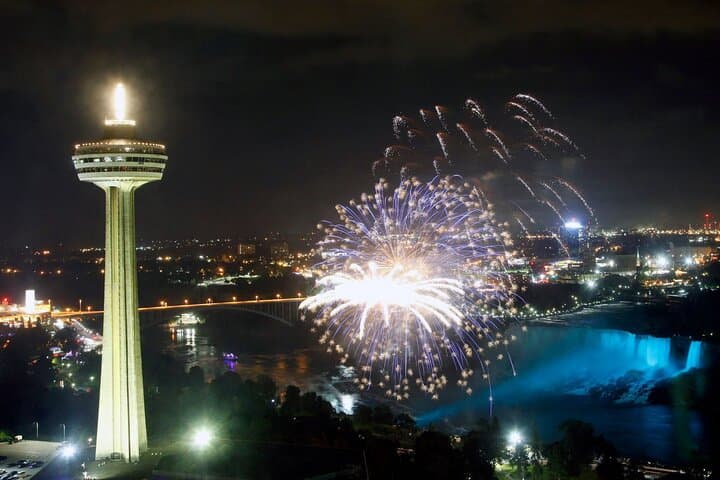
The air tastes like iron and cold. Where the Niagara River hurries into the abyss, steam rises in milky veils and the falls themselves seem to inhale and exhale—breathing weather into the valley. You stand on a viewing platform and the lights of the Winter Festival glitter across the curtain of water, a thousand tiny beacons skittering through spray. For four hours, in a group no larger than seven, you move along the edges of two nations: sketching between American viewing terraces and the illuminated Canadian banks, crossing the Rainbow Bridge like a short, brisk diplomatic walk. It feels immediate, intimate, and a little wild.
This is no canned bus tour. The small-group format means your guide can slow to point at a particular swirl in the gorge, to talk about the river’s mood, to answer questions about the electricity humming below the surface. The experience is as much a study of contrasts—raw water and careful infrastructure, First Nations history and 19th-century engineering—as it is a chance to watch light play on one of the most famous waterfalls on earth.
Geology did the heavy lifting here. Niagara Falls is a stair-step of dolostone and softer shale carved by meltwaters at the end of the last ice age roughly 12,000 years ago; the results are a broad horseshoe edge and a downstream gorge that still retreats at an observable pace. Humans, meanwhile, have learned to live with that motion. Hydroelectric plants pin the river’s power into grids; viewing platforms buffer us from the roar. In winter, when the mist freezes at the margins and flow volumes are managed for power generation, the falls acquire a sculptural quality—frozen seams, icy runnels and rime like woven lace.
This tour stitches together those perspectives: natural history, engineering, and local culture. You’ll hear about the Haudenosaunee and other Indigenous peoples who lived with the river long before it appeared on maps; about early European impressions and the spectacle’s commodity-era rise to tourism stardom; about how engineers tamed and harnessed Niagara’s force without erasing its drama. You’ll also get local intel: where to split a hot cup of coffee while watching steam rise off a river kept half-remembered by fog lamps, where to find quieter vantage points away from the main crowds.
Practicalities matter in winter. The route uses paved park paths and river-edge outlooks on both sides of the border—some stairs, some ramps—so mobility limitations are a consideration. Expect short bursts of walking and lots of standing to take the best photographs. The tour is four hours long and runs as a cross-border loop: you’ll need a passport and be prepared for a quick but standard border crossing. The company keeps groups small—maximum seven guests—so pauses for photography and conversation are part of the rhythm.
Why go in winter? The falls have a different personality in cold months. The spray crystallizes into suspended filigree, crowds thin, and the Winter Festival of Lights adds a seasonal theatricality that’s less about kitsch and more about how light re-sculpts the landscape. Plus, off-season hotel rates in the region can be friendlier. Why choose a small-group guided tour? It slices the logistics—parking, border timing, and best viewpoints—into something effortless and efficient, leaving you to watch water and light.
How to prepare: layers, a windproof shell, and sturdy waterproof boots will change the shape of your night. Bring a tripod or monopod if you’re a photographer; bring a passport for the border leg; and bring a curiosity for stories—about engineering, local musicians who play for passing crowds, and the choices municipalities make to steward the falls through tourism and climate change.
A winter walk at Niagara is not a passive stroll; it’s an encounter. The river dares you forward as it has dared generations of engineers and sightseers, and in return you bring attention—your footsteps, your flash, your questions. In those four hours you’ll meet water at its loudest, light at its brightest, and human ingenuity at its most deliberate. It’s a compact, savored way to understand one of North America’s elemental places.
Trail wisdom
Small choices, better day.
Passport Ready
Border crossing is part of the tour—carry a valid passport and any required travel documents; expect standard CBP/CBSA questions.
Sturdy, Waterproof Footwear
Paths are paved but icy; insulated waterproof boots with good tread keep you comfortable during standing-heavy viewpoints.
Dress in Wind Layers
Bring a windproof outer shell and warm mid-layer; the spray makes still air feel several degrees colder.
Bring a Compact Tripod
For night and festival-light photography, a small tripod or monopod will drastically improve low-light shots.
Local knowledge
Read the place, not just the route.
Watch for native species including Bald eagle, White-tailed deer.
Keep an eye out for wildlife during the transition between areas and habitats. Respect distance guidelines.
Local authorities manage water flow and park infrastructure to balance tourism and habitat protection; stick to marked trails and follow park rules to minimize impact.
Follow the guide's instructions on size limits, ethical handling, and leave-no-trace practices.
Dufferin Islands—quiet, tucked-away river pathways with close-up ice formations in winter. Niagara Glen—downstream hiking trails that reveal the gorge’s geology and quieter river views
Locally recommended viewpoints and quiet spots known best to local operators.
The Niagara corridor was and remains a significant place for Haudenosaunee peoples; the falls later became a 19th-century spectacle and early site for hydroelectric development.
Maritime roots and regional tradition shape the waterways and working coasts.
Seasonal guide
Four versions of the same landscape.
Spring
Best forThawing ice formations · Fewer crowds than summer · Early bird photography of melt patterns
ChallengesVariable footing from thaw · Cool temperatures · Higher flow rates from snowmelt
Spring brings melting ice and stronger flows—great for dramatic photographs but prepare for slushy paths and variable water levels.
Summer
Best forFull water volume views · Long daylight hours · Festival and events
ChallengesLarge crowds · Warmer, humid conditions · Mosquitoes in nearby wooded areas
Summer is the busiest season with the fullest falls and long days—expect crowds and plan for heat/humidity management.
Fall
Best forCrisp air and fall colors · Fewer tourists than summer · Clear visibility for long vistas
ChallengesCooling temperatures · Earlier sunsets · Potential for sudden rain
Autumn balances good light and color with manageable crowds—bring layers and plan around earlier sunsets for best views.
Winter
Best forIce-sculpted edges · Winter Festival of Lights · Low crowd levels
ChallengesIcy paths and wind chill · Possible closures for safety · Border delays in poor weather
Winter is magical: lights and ice change the falls’ character. Dress for wind and ice, and expect brief safety-related closures in extreme weather.
Pack with intention
What to bring.
Good to know
Common questions.
Yes. The itinerary crosses the international border; all guests must carry valid passports and any required travel documents for US/Canada entry.
Plan the edges
The details that make the day easier.
About 90% of the Niagara River’s flow goes over Horseshoe Falls on the Canadian side; the falls began forming roughly 12,000 years ago after the last glacial retreat.
After the walk, warm up with a plate of poutine or a craft beer in downtown Niagara Falls, ON, or cross back to the American side for a classic pub meal—both sides host cozy restaurants and bakeries; for a longer evening, consider a wine stop in nearby Niagara-on-the-Lake.
- Closest airport
- Buffalo Niagara International (BUF) or Toronto Pearson (YYZ). Meet in downtown Niagara Falls; driving distance from central Niagara Falls is typically under 10 minutes. Cell service: generally reliable in park areas. Permits: no park permit required for public viewpoints; passport required for cross-border travel.
Stay on marked paths to avoid trampling fragile riverside vegetation, pack out any trash, and respect wildlife; the Winter Festival uses LED lighting to reduce energy use—support local conservation partners where possible.
Explore by topic
Follow the threads.
Keep exploring
Make the story part of the trip.
Set out from Bass Harbor for a private, customizable day on Blue Hill Bay — lighthouses, puffins, seals, and the chance to feel Acadia from the water. Small groups, local captains, unforgettable views.
In four hours you can move from shaded canyon ferns to wind-scoured coastal ridgelines, guided by someone who knows where the light—and the hidden views—live. This private half-day hike on the Monterey Peninsula or Big Sur is compact, curated, and perfect for travelers who want depth without a multiday commitment.
 Related story
Beneath a sky of shifting light, Skaftafell’s ice reads like a map of time. This three-hour guided glacier hike mixes technical instruction with geology and culture: compact, safe, and unforgettable.