
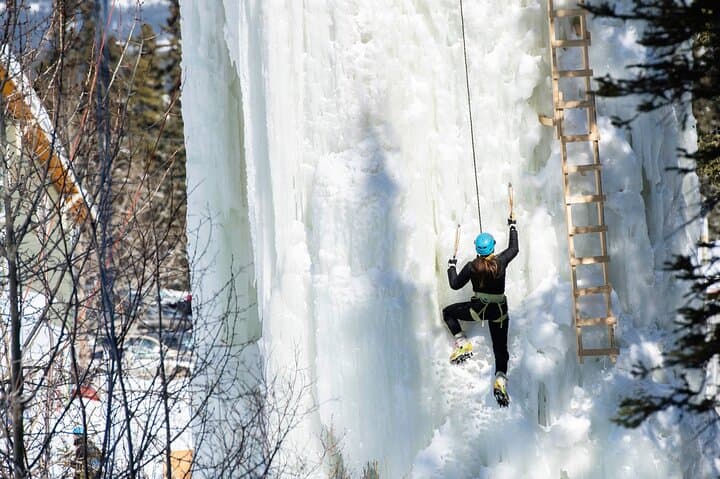
What the day feels like
The trail opens in a hush that feels deliberate, as if the forest itself is holding its breath. Headlamps cut thin slices through the air, illuminating frost that clings to spruce boughs like powdered sugar. Ahead, columns of ice rise from the snowfield—towering, translucent and eerily blue where the light catches them. They don’t so much sit on the landscape as stand in it, vertical rivers frozen mid-flow, daring you to explore their ribs and caverns.
This is Mt Sima in winter: a short drive from downtown Whitehorse, a ski hill by day and a small-scale, high-impact winter playground when the mercury drops. The Ice Tower Adventure Tour compresses the Yukon’s broad, slow histories into a two-hour, sensory-dense experience—ice trekking, a zipline that releases into a courtyard of frozen sculptures, illuminated ice tunnels, and the kind of hot-chocolate-and-campfire slow that makes the cold worthwhile.
The towers themselves are the season’s artful intersection of weather and intention. The Yukon’s harsh freeze, fed by cold continental air and enough moisture to form rime and solid sheets of ice, sculpts formations that echo the region’s glacial past. For millennia, glaciers carved the plateaus and river valleys here; today’s ice towers feel like a small, vertical replay of those forces. The area also sits on the ancestral lands of the Kwanlin Dün and Ta’an Kwäch’än First Nations—these are places with stories as deep as the frost, and visiting with respect for the land and local culture is part of the experience.
What makes the tour work is the balance of spectacle and simple logistics. You don’t need to be a technical climber to enjoy it: guides kit you out, walk you through basic ice-trekking technique, clip you into the zipline and talk you through potential hazards. Group size is intentionally small—tours accommodate up to 12 people—so there’s time for instructors to calibrate instruction, answer questions, and pace the group when pathways narrow between towers.
The zipline is a brief, bright contrast to the slow art of walking through frozen architecture. You launch over a pocket of forest and snow and, for ten seconds, gravity takes you past the towers' glinting faces. It’s an efficient thrill—enough to quicken your pulse but short enough that the view remains the main attraction. Back on the snow, guides lead short forays through carved tunnels and around serried columns, encouraging participants to test traction, listen to the panicked-sounding creaks, and watch the way the wind polishes icicles into mirrors.
Practicalities matter here: the tour is a fixed two-hour outing, priced from roughly USD 126–169 depending on extras, and it’s laid out to work for families, small groups, and mixed-ability parties. Dress for the Yukon rather than your local late-winter day: insulated, waterproof boots; a layering system that handles wind and sweat; warm gloves with liners; and an appetite for standing still long enough for the cold to sink into your bones and then be driven out by a steaming mug beside the fire.
If you’re going for photographs, plan for low, directional light and high-contrast scenes. Metal tripods can be awkward in deep snow, so a stable, low profile or a monopod is useful. Don’t expect big daylight panoramas—this is an evening or late-afternoon spectacle where highlights are built by artificial and low natural light.
Beyond the towers, Whitehorse is compact and ready for unwinding. After the tour, a short ride back into town leads you to eateries that prize local protein and hearty carbs—braised game, root-vegetable stews, and sourdough-style bannock. Local breweries and a handful of friendly pubs are good places to warm up and trade notes about the evening’s cold and the sky: if conditions cooperate, the Northern Lights can lace the ceiling overhead.
This trip is not about endurance or alpine conquest. It’s an invitation to experience winter’s architecture up close—hands-on enough to feel the cold, social enough to be a shared memory, and short enough to fit into a single night after a day in town. For travelers who prize sensory detail and efficient logistics, the Ice Tower Adventure Tour is a compact, well-run way to step into the Yukon’s winter world without signing up for an expedition.
If you go: move deliberately, layer aggressively, and let the cold be part of the story. The towers don’t move, but the way you experience them—shivering, laughing, skating on the edge of awe—will. Two hours here feel like a small, crystalline lifetime.
Trail wisdom
Small choices, better day.
Layer for motion and standstill
Use a breathable base layer, insulating mid-layer, and a windproof shell—the tour alternates between activity (zipline, short hikes) and standing around for photos and instruction.
Footwear matters
Insulated, waterproof boots with room for thick socks are essential; microspikes are recommended if you have them, as ice can be slick between towers.
Protect your tech
Bring batteries in an inner pocket and keep cameras warm—cold drains battery life quickly and can fog lenses.
Arrive fed and hydrated
A warm snack and some water before the tour will keep you comfortable—hot chocolate is nice, but you’ll want energy on the move.
Local knowledge
Read the place, not just the route.
Watch for native species including Snowshoe hares, Red foxes and the occasional moose tracks nearby.
Keep an eye out for wildlife during the transition between areas and habitats. Respect distance guidelines.
Respect local ecosystems by staying on designated paths and packing out all waste; the area sits on traditional Indigenous territory—support local economic initiatives where possible.
Follow the guide's instructions on size limits, ethical handling, and leave-no-trace practices.
Short snowshoe trails behind Mt Sima for quiet views. A small lookout point that offers an overview of Whitehorse and the Yukon River (ask your guide)
Locally recommended viewpoints and quiet spots known best to local operators.
Whitehorse developed during the Klondike Gold Rush era and grew around the Yukon River; Mt Sima has been a local ski and outdoor recreation site for decades, serving the city’s winter sports community.
Maritime roots and regional tradition shape the waterways and working coasts.
Seasonal guide
Four versions of the same landscape.
Spring
Best forShoulder-season quiet · Watching ice begin to melt patterns
ChallengesUnstable ice features · Slushy trail conditions
Spring brings softer light and melting edges—ice towers weaken and walking conditions become variable; guided tours may be limited.
Summer
Best forOff-season mountain access · Hiking Mt Sima trails
ChallengesNo ice towers · Different activity offerings
In summer the ice towers are gone; Mt Sima becomes a hiking and mountain-bike area, with different experiences and no frozen sculptures.
Fall
Best forClear, cold nights · Northern Lights viewing potential
ChallengesEarly snow can be thin · Unpredictable freeze-thaw cycles
Fall can offer crisp, clear evenings and early cold snaps that promise good ice-formation conditions, but timing is variable.
Winter
Best forIce formations · Zipline over snowfields · Family winter outings
ChallengesSevere cold spells · Short daylight hours
Winter is prime season for the Ice Tower Adventure—stable cold forms robust towers, but be prepared for low temperatures and limited daylight.
Pack with intention
What to bring.
Good to know
Common questions.
The Ice Tower Adventure Tour lasts approximately 2 hours from start to finish.
Plan the edges
The details that make the day easier.
Whitehorse takes its name from the 'white horse' rapids on the Yukon River, which resembled a white mane before the construction of the Whitehorse Dam—an origin noted in local histories.
After the tour, head into downtown Whitehorse for hearty regional fare—look for menus featuring local game, root vegetables, and bannock. Check out a nearby brewpub for a warm pint and local conversation; many venues celebrate Yukon producers and storytelling.
- Closest airport
- Erik Nielsen Whitehorse International Airport (YXY). Driving distance from downtown Whitehorse: ~15 minutes. Cell service: generally reliable in town, intermittent on the mountain. Permits: none required for the tour; operator handles safety equipment.
Minimize impact by staying on marked routes, packing out all litter, and following your guide’s instructions—this area is part of a fragile boreal and cold-climate ecosystem that recovers slowly from disturbance.
Explore by topic
Follow the threads.
Keep exploring
Make the story part of the trip.
In four hours you can move from shaded canyon ferns to wind-scoured coastal ridgelines, guided by someone who knows where the light—and the hidden views—live. This private half-day hike on the Monterey Peninsula or Big Sur is compact, curated, and perfect for travelers who want depth without a multiday commitment.
 Related story
Beneath a sky of shifting light, Skaftafell’s ice reads like a map of time. This three-hour guided glacier hike mixes technical instruction with geology and culture: compact, safe, and unforgettable.
 Related story
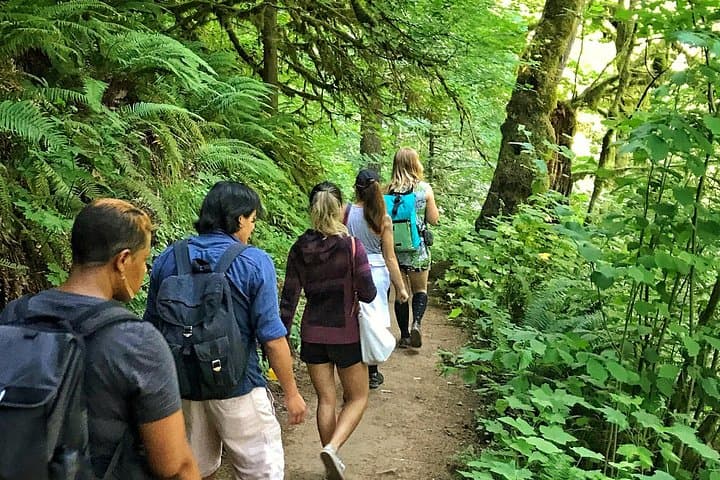
Lose the city for a few hours without leaving it: this 5-mile, 900-foot-gain Forest Park loop threads old-growth pockets, city viewpoints, and cultural landmarks for a compact taste of Portland’s wild side. Expect moss, roots, and stories.