
What the day feels like
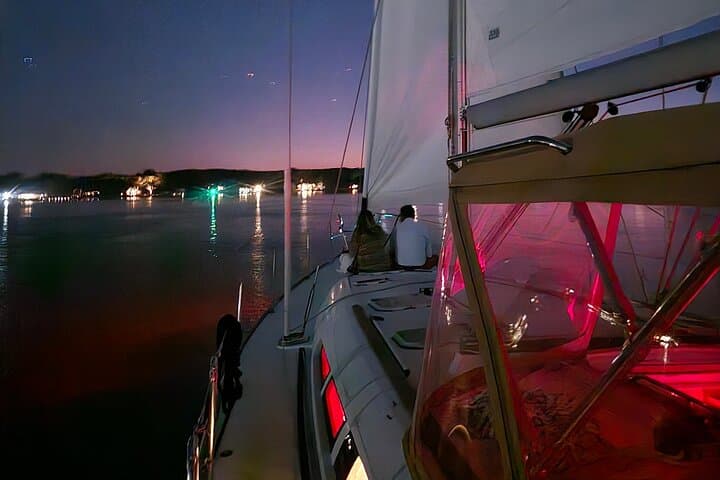
The first thing the harbor gives you after sunset is sound: the soft chime of mooring buoys, a gull settling like a punctuation mark on the water, and the distant hum of the Cooper River Bridge. Then the boat’s engines soften and the city’s silhouette becomes a constellation — lamps along the Battery, the outline of the USS Yorktown, neon at the edges of Shem Creek — and you realize this isn’t just a night ride; it’s a different way of seeing Charleston.
Board the Windchaser — a 50-foot luxury yacht designed for small private groups — and the ordinary rules of a city break change. The deck tilts slightly as the captain eases into a course through channels that have guided cargo and brigs for centuries; the air cools, and the tidal rivers begin to speak. On a clear night the moon paints the harbor in a silver path so vivid it seems almost deliberate. On the rarest nights, you’ll find bioluminescence pulsing in the boat’s wake, little living fireworks that respond like an echo to your passage. For an intimate, three-hour harbor tour, few things feel as cinematic.
There’s a history under every ripple here. Charleston Harbor is the site of Fort Sumter, where the first shots of the Civil War were fired in 1861, and the shoreline you cruise past carries layers of maritime trade, naval history and Gullah-Geechee cultural influence. The yacht glides past riverbanks once used for indigo and rice plantations and into channels that shaped the economy and stories of the Lowcountry. Geologically, the harbor is a tidal estuary, its currents carving sandbars and mudflats that feed the marshes, which in turn sustain shrimp, osprey and the fiddler crabs that scuttle with the tide.
Culturally, a moonlit cruise ties you to Charleston’s contemporary life — restaurants spilling light onto docks, the low-key bustle of fishing charters heading home, local crews checking traps — while keeping the city’s quieter pulse: romance, history and the sea. If you want to discover this experience firsthand, the local experts who run the tour bring the stories and a calm, professional rhythm to the evening; learn more or book your passage at this Charleston moonlight cruise with the Windchaser.
Why travelers take this trip is obvious the minute the city slips behind you: perspective. The lights you’ve seen from cobblestones become a map of history and industry; homes and fortifications read differently from the water. For couples it’s a private, cinematic few hours; for families it’s a gentle way to mix natural science (tidal systems, birdlife) with city sightlines; for photographers the harbor’s reflections at night are a study in exposure and patience.
Practicalities matter. The cruise runs three hours, usually departing just after sunset to catch both dusk and full night. Groups are private, so the tempo is yours — ask the captain to slow near the Battery for photos, or to cruise the Cooper River for skyline shots. The boat is stable but bring a light jacket: Lowcountry nights can be breezy. If you’re prone to motion sickness, a dose of prevention keeps the evening memorable for the right reasons.
For planners who want to combine this with a longer trip, consider timing the cruise around Shem Creek’s seafood scene or an early dinner downtown. The harbor is intimate enough that a short drive from central Charleston or Mount Pleasant gets you to the dock quickly; this is an activity that stitches easily into a city itinerary without demanding early mornings or long hikes.
When to go? Summer guarantees warm nights and a better shot at bioluminescence; spring and fall bring milder temperatures and clearer skies. Winter cruises are chillier but often clearer and quieter. Weeknight departures can be more peaceful; weekend cruises feel celebratory.
Safety and sustainability aren’t an afterthought. The operators emphasize responsible navigation in shallow channels and respect for wildlife and low-wake zones. Onboard briefings cover life jackets and where to stand; the small-group format keeps the experience personal and minimizes crowding on nearby shores.
If you go, keep your expectations practical: this is a sightseeing cruise with an emphasis on atmosphere rather than high-adrenaline thrills. Bring a camera that performs in low light, pack layers for the changing temperature, and let the harbor’s slower rhythm reset your travel pace. If you’d like to lock in a seat or learn more about departure times and private options, check the local experts page for the Windchaser harbor yacht tour.
Trail wisdom
Small choices, better day.
Bring layered clothing
Even in summer, the harbor breeze makes evenings cooler; a light windbreaker is invaluable.
Stabilize your shots
Use a small tripod or steady your camera on the rail for long exposures of the skyline.
Mind the tides
Low-light boarding can be slippery; wear non-slip shoes and follow crew instructions when stepping on and off the dock.
Consider motion-sickness prevention
Take preventative medication if you’re sensitive; the water is generally calm but a smooth night can change fast.
Local knowledge
Read the place, not just the route.
Watch for native species including Bottlenose dolphin, Osprey.
Keep an eye out for wildlife during the transition between areas and habitats. Respect distance guidelines.
Operators emphasize low-wake navigation near marshes and discourage feeding wildlife; pack out trash and minimize noise after dusk.
Follow the guide's instructions on size limits, ethical handling, and leave-no-trace practices.
Shem Creek at low tide — quiet side channels with great wildlife viewing. A slow pass along the Battery for unobstructed skyline reflections
Locally recommended viewpoints and quiet spots known best to local operators.
Charleston Harbor is home to Fort Sumter, where the opening shots of the Civil War were fired in April 1861.
Maritime roots and regional tradition shape the waterways and working coasts.
Seasonal guide
Four versions of the same landscape.
Spring
Best forMild evenings · Dusk-to-night transitions · Birdwatching near marshes
ChallengesUnpredictable rain · Cooler night air
Spring offers pleasant temperatures and the chance to see migratory birds; bring a light jacket and check the forecast.
Summer
Best forWarm nights · Higher chance of bioluminescence · Longer twilight windows
ChallengesHumidity and thunderstorms · Mosquitoes near marsh edges
Summer gives the warmest evenings and the best odds for glowing water, but watch for storms and bring insect repellent.
Fall
Best forClear skies · Comfortable temperatures · Crisp night photography
ChallengesShortening daylight · Possible early cool snaps
Fall balances warm days and cool nights with excellent visibility for skyline shots; a sweater will do the trick.
Winter
Best forQuiet docks and uncrowded tours · Crisp air and clear visibility
ChallengesCold nights · Shorter nights and earlier departures
Winter nights are clear and peaceful; dress warmly and expect earlier start times after sunset.
Operator details
What the booking data adds.
Included
- ✓Guided Moonlight Cruise
Good to know
- ✓Wheelchair accessible
- ✓Infants and small children can ride in a pram or stroller
- ✓Public transportation options are available nearby
- ✓Transportation options are wheelchair accessible
- ✓Suitable for all physical fitness levels
Pack with intention
What to bring.
Good to know
Common questions.
Typically from the Mount Pleasant/SheM Creek area or a nearby Charleston dock; exact departure location is confirmed at booking.
Plan the edges
The details that make the day easier.
Fort Sumter, located in Charleston Harbor, was the site where the first shots of the American Civil War were fired in April 1861.
After the cruise, head to Shem Creek for waterfront seafood and a local beer, or return to Charleston for classic Lowcountry dishes like shrimp and grits at Fleet Landing or Husk.
- Closest airport
- Charleston International Airport (CHS); Typical embarkation: Mount Pleasant
- Shem Creek area; Driving distance from downtown Charleston
- ~10–20 minutes (5–8 miles); Cell service: generally good near shore, intermittent farther into the harbor; Permits: none for typical private charters.
Respect low-wake zones, avoid single-use plastics on board, and do not feed or harass marine wildlife — these practices protect the harbor’s fragile marsh and estuary systems.
Explore by topic
Follow the threads.
Keep exploring
Make the story part of the trip.
In four hours you can move from shaded canyon ferns to wind-scoured coastal ridgelines, guided by someone who knows where the light—and the hidden views—live. This private half-day hike on the Monterey Peninsula or Big Sur is compact, curated, and perfect for travelers who want depth without a multiday commitment.
 Related story
Beneath a sky of shifting light, Skaftafell’s ice reads like a map of time. This three-hour guided glacier hike mixes technical instruction with geology and culture: compact, safe, and unforgettable.
 Related story
Lose the city for a few hours without leaving it: this 5-mile, 900-foot-gain Forest Park loop threads old-growth pockets, city viewpoints, and cultural landmarks for a compact taste of Portland’s wild side. Expect moss, roots, and stories.