
What the day feels like
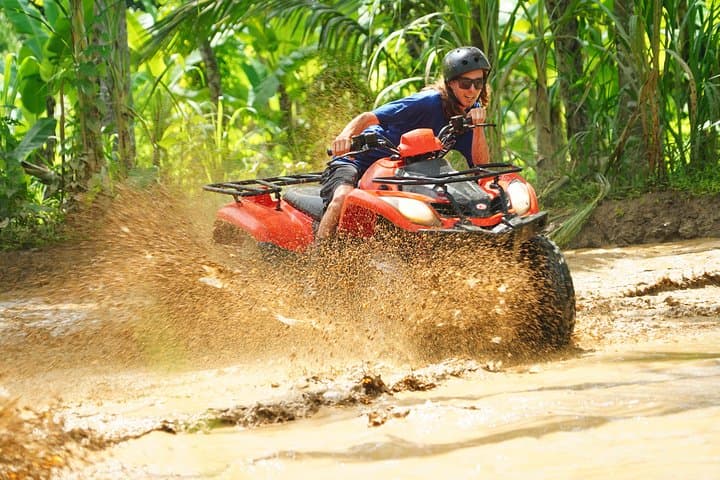
You feel the engine under you long before you see the valley. The quad’s rumble translates the island’s hush into movement: a machine pressuring the landscape outward, a human response to terrain that dares you to go farther. Within minutes the road gives way to tracks cut between emerald rice paddies, the air thick with wet earth and the faint, incense-sweet smell drifting from roadside shrines. This is Bali on two fronts at once — the raw, playful energy of a mud-spattered ATV ride and the quiet, reverent calm of places where water keeps time.
The Bali Quad Adventure with Waterfall Tour pairs a 1.5-hour ATV route with an afternoon at two of the island’s gentler cascades: Kanto Lampo and Tibumana. For travelers who want their day to swing from kinetic to contemplative, the itinerary is smartly balanced. You’ll spend the morning charging through narrow forest trails, slicing through cow-paths and rice-terrace embankments, steering around potholes and through literal mud pits. Then the pace slows: mossy stone, the steady roar of falling water, and the invitation to step under a curtain of cool. It’s the kind of trip that leaves grit in your clothes and calm in your bones.
The landscape here is shaped by a long, human story as much as by geology. Bali’s rice terraces are not just pretty scaffolding for travel photos; they’re a working manifestation of the subak irrigation system, a centuries-old cooperative network of water temples and canals recognized by UNESCO as a cultural landscape. The quads thread past these terraces, which sit on volcanic soils created by the island’s tectonic restlessness. Water-carved gullies, volcanic rock outcrops and the island’s steady equatorial rains combine to produce falls that change with the season: big and thundering after monsoon downpours, gentler and more reflective during the dry months.
Kanto Lampo greets you with multiple tiers and easy access — a place that invites a plunge without a long hike. Tibumana is the quieter sister: a single, elegant drop into a green pool ringed by cliff ferns. Both are local favorites for swimming; both are also community-managed, with modest entrance fees that contribute to upkeep and village livelihoods. Vendors sell cold coconuts and nasi campur from small warungs nearby; you’ll notice Hindu offerings tucked on the rocks and near footpaths — a reminder to move respectfully and keep the area clean.
Practicalities are straightforward but worth noting. The full experience is an 8–10 hour day door-to-door, so plan for an early pickup if you want cooler conditions on the quad. The ATV segment is adrenaline-fueled but designed for first-timers — operators brief riders, provide helmets, and lead small groups — though the terrain can be slippery, technical in places, and physically engaging. Bring a camera, but leave fast lenses and fragile gear behind. A waterproof phone case and a small dry bag are lifesavers. Expect light local fees at each waterfall, and carry cash in small denominations for tips and snacks.
Why book this? It’s efficient: in one day you get a taste of Bali’s motorized playground and its slow-water contemplations. It’s social: routes accommodate pairs or solo travelers, and the stops are ideal for cooling off and swapping stories. And it’s scenic: you’ll find rice-field perspectives and canyoned pools in one outing, which makes it a smart choice if your time on the island is limited.
Safety and etiquette are simple but important. Helmets are non-negotiable; ride at a pace that fits your skill level and follow the guide’s line. At waterfall sites, wet rocks are slippery — test your footfall, avoid the temptation to scramble beyond posted paths, and respect private or temple areas. For sustainability-minded travelers: bring reusable bottles, pick up any packaging you bring, and support local vendors rather than sending buying power to distant chains.
The tour is also a window into Balinese daily life. Between mud-splattered laughter and the hush of the falls, you’ll pass villages where offerings appear on doorsteps like small calendars of devotion. The rice terraces are not just scenery; they’re farmland tended for generations, and the people you meet profit from the small tourism economy that flows through. That human element gives the day texture — and a sense of responsibility; your footprint matters.
If you’re planning this day, aim for the dry season for more predictable trails and clearer waterfall pools. But don’t write off the shoulder months — riding in the wet can be an unforgettable, splash-filled challenge if you’re prepared and comfortable with a muddier experience.
At the end of the day you’ll be tired in the best way: wind-chapped cheeks, clothes streaked with earth, and a quieter gait as you move through town. Find a warung for spicy ayam betutu or head to Ubud’s slower streets for crispy duck at Bebek Bengil if you want to stretch the evening. This is Bali’s rhythm: rush through for the thrill, then slow down and find a place to sit, watch the water, and remember the day.
Practical snapshot: the tour runs roughly 8–10 hours, includes a 1.5-hour ATV ride, and typically covers two waterfall stops. Current advertised starting price is US$71.80. Bring shoes you don’t mind ruining, a waterproof case for valuables, and a readiness to swap adrenaline for hush when the water calls.
Trail wisdom
Small choices, better day.
Wear closed-toe shoes
Sturdy trainers or trail shoes protect your feet during the ATV portion and on slippery rocks at waterfalls.
Bring a dry bag
Protect your phone, wallet, and camera from mud and spray with a small dry bag or waterproof case.
Carry cash in small bills
Small local entrance fees, tips, and warung snacks are often cash-only and require rupiah in small denominations.
Hydrate and time your day
Start early to avoid heat; bring a reusable water bottle and refill when possible.
Local knowledge
Read the place, not just the route.
Watch for native species including Long-tailed macaque (in nearby forests), Various kingfisher and wagtail species around streams.
Keep an eye out for wildlife during the transition between areas and habitats. Respect distance guidelines.
Waterfall sites are managed by local villages with small entrance fees; support local businesses, pack out waste, and avoid stepping on fragile riverbank vegetation.
Follow the guide's instructions on size limits, ethical handling, and leave-no-trace practices.
Tegallalang Rice Terraces viewpoint for a post-ride panoramic stop. A small local coffee plantation or warung near the waterfalls for kopi luwak tasting and homemade snacks
Locally recommended viewpoints and quiet spots known best to local operators.
The terraces you ride past are part of Bali’s subak irrigation tradition — a centuries-old communal system that coordinates water rights and rice cultivation.
Maritime roots and regional tradition shape the waterways and working coasts.
Seasonal guide
Four versions of the same landscape.
Spring
Best forFewer crowds · Greening rice terraces
ChallengesOccasional showers · Soft, muddy trails
April–May sees the landscape freshen after the rains; trails can be soft but scenery is vivid and less crowded.
Summer
Best forDry trails · Clearer waterfall pools
ChallengesStronger sun · Peak tourist numbers
June–August is the driest, offering firmer ATV conditions and easier swimming at falls, though popular sites draw more visitors.
Fall
Best forStable weather · Good light for photos
ChallengesVariable showers · Warmer afternoons
September–October balances dry and wet season conditions — fewer crowds and excellent late-afternoon light.
Winter
Best forLush scenery · Powerful cascades
ChallengesHeavy rain · Slippery, technical ATV sections
November–March is wetter; waterfalls are dramatic but expect muddier tracks and more challenging riding conditions.
Operator details
What the booking data adds.
Included
- ✓Shower facilities and towels
- ✓All necessary equipment
- ✓Lunch
- ✓Transport by private air-conditioned minivan
- ✓Private Hotel pickup and drop-off (selected hotels only)
Not included
- —Gratuities
- —Souvenir photos ( Available for purchase )
Good to know
- ✓Not recommended for pregnant travelers
- ✓Not recommended for travelers with poor cardiovascular health
- ✓Not recommended for travelers with spinal injuries
- ✓Travelers should have at least a moderate level of physical fitness
- ✓Please note that only guests aged 10 - 60 years old are allowed to participate on this activities
- ✓Guests aged 10 - 13 years old have to ride as passengers on an ATV quad with an experience rider.
- ✓Solo ride means you will have 1 quad bike /person. Tandem means 1 quad bike for 2 person ( drive with a partner)
- ✓Tandem ride must be booked in the multiple of 2. If you book tandem ride, maximum weight limit is 145 kg combined ( 2 person )
- ✓Quad ATV tour will be fully guided for your safety and comfort
- ✓Travelers are advised to wear light, comfortable clothing and bring a change of clothes, sunscreen, sunglasses, caps or hat, a water bottle, snacks, a swimsuit, a camera, and some petty cash.
Pack with intention
What to bring.
Good to know
Common questions.
The guided ATV portion lasts about 1.5 hours and covers varied terrain including rice paddies, forest tracks, and mud sections.
Plan the edges
The details that make the day easier.
Bali’s subak irrigation system, which manages much of the island’s traditional rice terraces, is part of the UNESCO World Heritage listing for the Cultural Landscape of Bali.
After the ride, head into Ubud for an evening meal: try Bebek Bengil for crispy duck or a small warung for nasi campur and fresh coconut; finish with kopi luwak or a cold Bintang at a café near the market.
- Closest airport
- Ngurah Rai International (Denpasar). Typical driving time from Ubud: 30–75 minutes depending on traffic. Cell service: reliable near towns, patchy at waterfall sites. Permits
- passes
- modest local entrance fees for each waterfall; operator usually covers ATV insurance and safety gear.
These waterfalls are cared for by local communities—respect temple areas, avoid single-use plastics, and purchase snacks or drinks from village vendors to support local income.
Explore by topic
Follow the threads.
Keep exploring
Make the story part of the trip.
Set out from Bass Harbor for a private, customizable day on Blue Hill Bay — lighthouses, puffins, seals, and the chance to feel Acadia from the water. Small groups, local captains, unforgettable views.
In four hours you can move from shaded canyon ferns to wind-scoured coastal ridgelines, guided by someone who knows where the light—and the hidden views—live. This private half-day hike on the Monterey Peninsula or Big Sur is compact, curated, and perfect for travelers who want depth without a multiday commitment.
 Related story
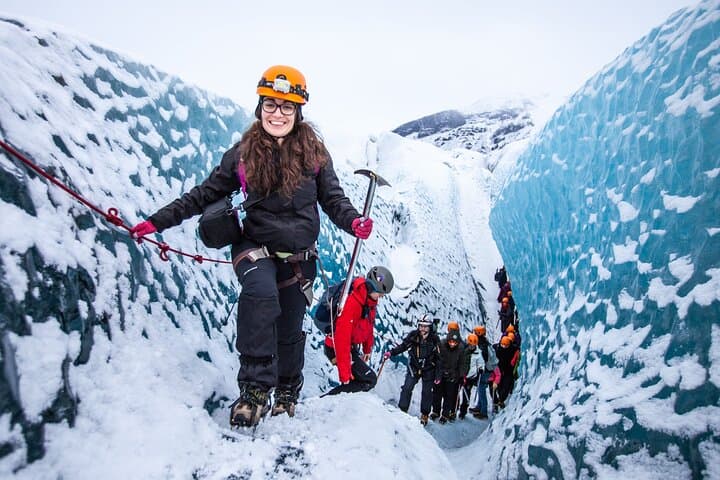
Beneath a sky of shifting light, Skaftafell’s ice reads like a map of time. This three-hour guided glacier hike mixes technical instruction with geology and culture: compact, safe, and unforgettable.