
What the day feels like
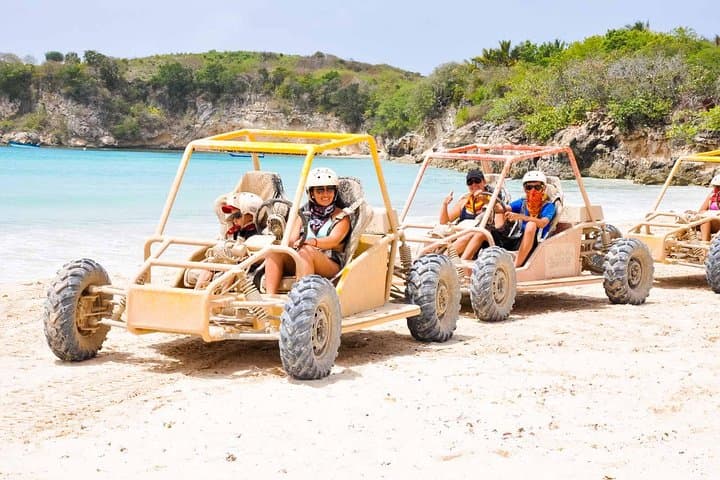
By the time the guide slides the throttle forward, the world seems to compact into a single pulse: engine, mud, palm fronds, repeat. Your buggy surges along a narrow country lane, a ribbon of dust and ruts that threads between tobacco plots and sun-bleached corrals. The Oriental Mountain Range sits backlit and patient, a slow-moving wall that watches the coastal lowlands catch fire at dusk. Every splash through a puddle sends water airborne like applause, and the tour’s rhythm—burst of speed, chatter with a local farmer, another muddy plunge—keeps you present. The cenote arrives like a secret kept by the island: a glassy, shaded basin tucked under a canopy where the engine noise softens and the air smells of wet limestone and green growth.
This is not the manicured coastal ride you might imagine from brochure photos of Punta Cana. It’s a countryside sprint that flips the island’s script—away from resorts and sunloungers, into the hollow spaces where agriculture and old-world craft still set the schedule. Guides point out coffee cherries and cacao pods as casually as they do the best line through a mud bog. They’ll show you where cigars are rolled and offer a small sip of mama juana, the resinous concoction that blends rum, wine, honey and local tree barks—a flavor that, like the tour itself, is both immediate and stubbornly rooted in place.
Geologically, the route owes itself to the limestone backbone of the eastern Dominican Republic. The karst terrain that creates sinkholes and underground rivers is what allows a cenote—a collapsed limestone chamber—to hold cool, clear water in the heart of the island. Historically, these rural tracks trace paths older than the republic: Taíno trails, Spanish colonial routes and smallholder lanes that became lifelines for coffee, tobacco and cocoa transport. Even today, the stops feel like lessons; local growers will talk about curing tobacco leaves and the seasonal cycles that still determine a family’s income.
Culturally the ride is a fast-moving primer. Mama juana readings are offered as part drink, part folklore: a remedy, a tonic and a social lubricant. Along the way you’ll meet people who still split their day between fieldwork and the slow business of food and craft. Try the empanadas at a roadside stand, watch a cigar being hand-rolled, and listen as your guide narrates the town gossip like it’s a living map. The tour compresses a handful of local economies into one half-day: mud roads, plantations, and a swim in a place ancient enough to feel like a different climate entirely.
For travelers, the appeal is texture. It’s a chance to swap the flat glare of the beach for something tactile—engine vibration beneath your hands, the smell of wet soil, the chill of cenote water against sun-warmed skin. It’s also accessible: the tour runs about four hours, is priced to be an easy add-on to a resort stay, and balances adrenaline with cultural context. Still, it isn’t aimless. Expect stretches of rough track, sudden mud pits designed to make the buggy dance, and the kind of off-road bumps that remind you to lean into the ride.
Practical notes: the route is a loop through privately managed lands and public right-of-ways—operators typically include helmets, goggles and a safety briefing. The cenote stop is short but restorative; bring water shoes if you don’t want to go barefoot on limestone edges. Cameras are welcome, but waterproof protection and quick-drying clothing will keep you comfortable when the buggy and the island conspire to get you wet.
If you’re planning this as an escape from the beach circuit, aim for cooler, drier months when the mud is forgiving rather than treacherous. Go with a small group or private buggy if you prefer more stops and conversation with the guide. And leave a little patience for the unexpected: local life moves at its own pace, and some of the best memories come from unplanned detours—an impromptu coffee tasting, a child waving from a stoop, the sudden silence when the motor cuts and only birds remain.
This half-day is not about ticking a box; it’s about landing in a place where landscape and labor intersect and where motion—mud-splattered, sunlit, and a little bit loud—reveals an island as lived-in as it is postcard-perfect. When you’re back at your hotel, wind-chilled and smelling faintly of smoke and lime, the sea will be close enough to make the next decision simple: shower, cold beer, and a long look at the map for where to go next.
Trail wisdom
Small choices, better day.
Wear closed-toe shoes
Sturdy sneakers or light hiking shoes protect your feet from mud, sharp limestone and the cenote’s rocky entry.
Bring a small dry bag
Protect your phone, ID and money from splashes and dust—many operators provide straps but a dry bag adds security.
Hydrate before you go
The ride is energetic and in sun; drink water beforehand and carry a small refillable bottle to top up at stops.
Listen to your guide
Guides know the best lines through mud and the cultural context of each stop—following directions keeps the day safe and richer.
Local knowledge
Read the place, not just the route.
Watch for native species including Green iguana, Hispaniolan parrot and assorted tropical songbirds.
Keep an eye out for wildlife during the transition between areas and habitats. Respect distance guidelines.
The cenote and surrounding karst are sensitive—avoid chemical sunscreens in the water, take all trash with you, and follow guides’ instructions to minimize impact.
Follow the guide's instructions on size limits, ethical handling, and leave-no-trace practices.
Small family-run tobacco fincas where you can watch hand-rolling up close. A shaded cenote inlet tucked off the main path perfect for quiet swims
Locally recommended viewpoints and quiet spots known best to local operators.
These tracks shadow older colonial and Taíno pathways through the limestone lowlands; plantations here still practice longstanding coffee, cocoa, and tobacco methods.
Maritime roots and regional tradition shape the waterways and working coasts.
Seasonal guide
Four versions of the same landscape.
Spring
Best forFewer crowds · Lush plantation views · Comfortable temperatures
ChallengesOccasional showers · Some muddier sections
Spring (March–May) balances warm weather with greener countryside—expect vibrant plantations and occasional short rain.
Summer
Best forWarm water for the cenote · Long daylight hours · Fewer organized tour groups
ChallengesHigher humidity · Afternoon thunderstorms · Hot midday temps
Summer brings heat and humidity; morning departures avoid afternoon storms and make the cenote stop more refreshing.
Fall
Best forHarvest-time glimpses on farms · Golden afternoon light · Lower hotel rates
ChallengesHurricane season peaks early fall · Variable road conditions
Fall can be dramatic with harvest activity on farms, but watch forecasts during hurricane season and pick clear-weather days.
Winter
Best forDrier trails · Pleasant daytime temps · Peak tourist season amenities
ChallengesBigger crowds at popular pick-up spots · Higher prices
Winter (Dec–Apr) is the island’s dry season—ideal for reliable trails and comfortable riding conditions.
Pack with intention
What to bring.
Good to know
Common questions.
The tour runs approximately 4 hours and usually includes multiple off-road sections, cultural stops and a cenote swim.
Plan the edges
The details that make the day easier.
Mama juana is a traditional Dominican mixture—rum, red wine and honey soaked with tree bark and herbs—often served as a folk remedy and cultural staple.
After the ride, seek a family-run paladar for fresh empanadas and grilled fish, wash it down with a cold Presidente beer or a small glass of mama juana; local farms sometimes welcome visitors for a more in-depth coffee or cigar demonstration.
- Closest airport
- Punta Cana International Airport (PUJ); Typical drive from resort area: 20–60 minutes depending on pickup; Cell service: intermittent on rural tracks—expect spotty coverage at the cenote; Permits: none required for visitors, but respect private property and follow guide rules.
This cenote is part of a sensitive karst system—avoid chemical sunscreens, pack out all trash, and follow your guide’s directions to protect water quality and local habitats.
Explore by topic
Follow the threads.
Keep exploring
Make the story part of the trip.
In four hours you can move from shaded canyon ferns to wind-scoured coastal ridgelines, guided by someone who knows where the light—and the hidden views—live. This private half-day hike on the Monterey Peninsula or Big Sur is compact, curated, and perfect for travelers who want depth without a multiday commitment.
 Related story
Beneath a sky of shifting light, Skaftafell’s ice reads like a map of time. This three-hour guided glacier hike mixes technical instruction with geology and culture: compact, safe, and unforgettable.
 Related story
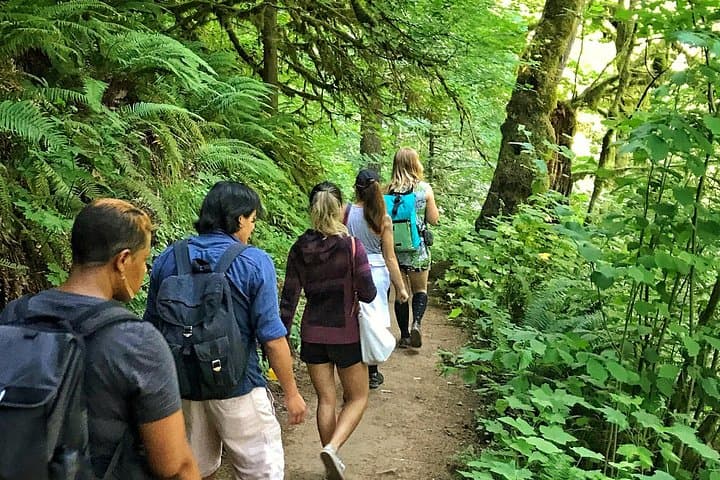
Lose the city for a few hours without leaving it: this 5-mile, 900-foot-gain Forest Park loop threads old-growth pockets, city viewpoints, and cultural landmarks for a compact taste of Portland’s wild side. Expect moss, roots, and stories.