
What the day feels like
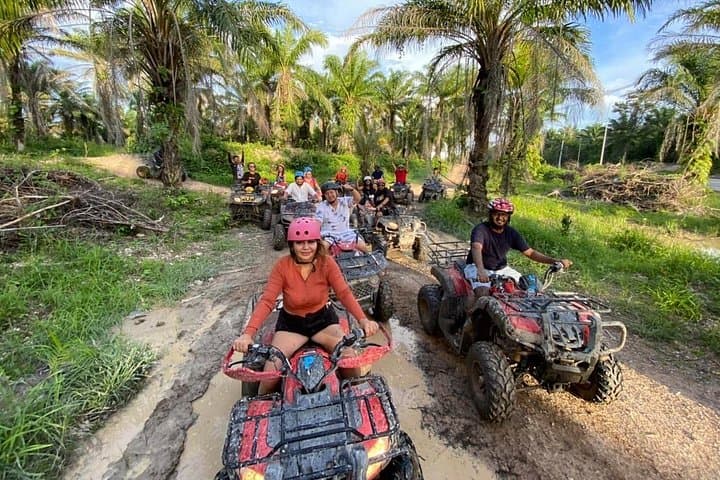
You come up over a low ridge and the world opens: a scatter of durian trees, the dull diamonds of rambutan fruit glinting through leaves, and behind them the ragged silhouettes of karst limestone towers. The ATV settles into a rhythm—thrum, toss, skid—and for the next hour the countryside sets the pace. This isn’t a manic off-road course built for thrills; it’s a working landscape that dares you to pay attention: to the way the trail curls around a palm grove, to the fat smell of damp earth as puddles bow beneath your tires, to a local farmer pausing to wave and check that you haven’t eaten all the coconuts.
Krabi’s glare-soft sky and sticky air make a different kind of theater. The limestone outcrops that define the province’s coast—most famously towering over Railay and Phra Nang—also frame the inland roads. Those cliffs are ancient coral reefs and marine sediments, uplifted and etched by rain and time into spires and gullies. Below them, the land is generous: orchards of durian and rambutan, rubber and palm plantations, and narrow plots where families grow vegetables for local markets. An hour on an ATV, like this tour, is a shortcut into that rural patchwork—fast enough to feel kinetic, slow enough to notice the details.
There’s a practical ease to the experience. No special license is required, and operators expect mixed groups: first-timers, families with teenagers, and travelers who want a little raw, muddy fun. Guides lay out a course of narrow tracks, small climbs, and splash-ready puddles. Rain is not a cancellation—it’s an accelerant; a sudden shower turns dry dust into adhesive mud and makes the ride grin-inducing in a different way. Wear what you don’t mind staining, and opt for closed-toe shoes: the tour provides masks for dust, but the rest is on you.
This is also an exercise in texture. The trail changes within minutes: compact red clay gives way to leaf litter, then to loose gravel where a river braided across a dry bed; a line of mangroves hums with insects and the occasional bird chorus. Guides local to Krabi will point out how the plantations feed regional cuisine and markets, and how those same fields have shaped livelihoods for generations. Even in a short outing, you get an impression of the island’s economy—the slow hands that harvest fruit, the small-scale producers who sell at night markets, the people who ferry tourists to the beaches and sometimes prefer the quieter rhythm of farms.
Safety and ownership of place matter. Responsible operators keep groups small and stick to designated tracks to reduce erosion and protect wildlife corridors. Riders are briefed on throttle control and cornering; children can be accommodated but operators will typically pair them with adults or two-seaters. That mix—of safety, speed, and genuine landscape—makes the hour feel like quality time rather than a checklist item.
When to go: Krabi’s dry season—November through April—gives consistently dusty trails and cleaner skies. The green flush after the monsoon, however, is undeniably beautiful: the world seems emboldened, colors sharpened, and the puddles you splash through become playful; just accept a little mud. Practicalities: the tour runs 60–120 minutes depending on route and group size and usually departs from Ao Nang or nearby meeting points with quick transfers from Krabi Town or the airport.
Who should book it? Travelers who like a physical, sensory experience more than a curated chase for waterfalls. Families with older kids, people who want to pair an active hour with beach time, and visitors looking for a way to see inland Krabi beyond the postcard cliffs will find this a compact, rewarding slice of the region.
If you go, keep two priorities in mind: respect the land and keep your expectations calibrated. This is not a professional motocross track; it’s a country road. Move at a pace that lets you drink in the scene and listen to your guide’s tips about the terrain. Bring a sense of curiosity—those roadside fruit stalls that look makeshift often have the best, freshest samples—and leave room for a slow beer in town afterward.
At the end of the hour you’re likely to be dirty, laughing, and slightly tired—the exact sort of honest fatigue that means you’ve done something that matters. You’ll also have a clearer sense of how Krabi holds itself together: a mix of nature’s architecture, people who make their living off the land, and an easy acceptance of visitors who want to explore thoughtfully. The ride is short, but it unpacks a long list of impressions: the taste of warm air after rain, the scent of crushed leaves, the sight of limestone rising like an old cathedral. That’s Krabi in a nutshell—small, muscular, and full of surprising angles.
Trail wisdom
Small choices, better day.
Wear closed-toe shoes
Trails are muddy and uneven—sturdy footwear protects your feet from mud and bumps.
Bring a change of clothes
You will get dusty or muddy; pack a dry set for after the ride.
Listen to the safety briefing
Throttle control and correct cornering prevent most incidents—follow your guide’s instructions.
Protect electronics
Use a waterproof pouch or stash your phone in a dry bag—the ride can be splashy.
Local knowledge
Read the place, not just the route.
Watch for native species including Kingfisher species along stream margins, Monitor lizards sunning on trail edges.
Keep an eye out for wildlife during the transition between areas and habitats. Respect distance guidelines.
Stick to designated tracks to minimize soil erosion, avoid disturbing wildlife, and choose operators who limit group size and follow local guidelines.
Follow the guide's instructions on size limits, ethical handling, and leave-no-trace practices.
Small roadside fruit stalls with fresh rambutan and durian samples. A low-key viewpoint at a limestone outcrop just off the main trail for sunset photos
Locally recommended viewpoints and quiet spots known best to local operators.
Krabi’s karst landscape formed from ancient coral reef uplift; inland agriculture developed around these limestone outcrops and fertile valley soils.
Maritime roots and regional tradition shape the waterways and working coasts.
Seasonal guide
Four versions of the same landscape.
Spring
Best forLush green scenery · Post-monsoon puddles
ChallengesSticky humidity · Intermittent showers
Spring (Mar–May) brings hot, humid days and vibrant vegetation; expect occasional rain and muddy sections.
Summer
Best forFewer crowds · Afternoon adventure rides
ChallengesHigher temperatures · Dusty trails in dry patches
Summer (Jun–Aug) is warm with variable showers; early morning or late-afternoon slots are more comfortable.
Fall
Best forStable dry weather · Cleaner skies for views
ChallengesBusy season crowds · Dust on unpaved tracks
Fall (Sep–Nov) overlaps the transition to the dry season—trails firm up and visibility improves.
Winter
Best forDry trails · Consistent riding conditions
ChallengesPeak tourist season · Slightly higher prices
Winter (Dec–Feb) offers the most reliable dry-weather riding and cooler early mornings—ideal for most riders.
Operator details
What the booking data adds.
Included
- ✓Drinking water
- ✓Accident Insurance for rider & passenger (ATV damages not covered)
- ✓Free hotel pick up is available for Ao Nang(Min 2 people)
- ✓Join in ATV experience
- ✓Rain coat (on a rainy day)
Not included
- —Extra charge for roundtrip transfer 700 THB/Car from Klong Muang,Tub Kaek(3 or more people get free)
- —Extra charge for roundtrip transfer 600 THB/Car from Krabi Town(3 or more people get free)
Good to know
- ✓Public transportation options are available nearby
- ✓Not recommended for travelers with spinal injuries
- ✓Not recommended for pregnant travelers
- ✓Not recommended for travelers with poor cardiovascular health
- ✓Suitable for all physical fitness levels
- ✓Child ticket: Age between 3-11 years
- ✓Children under 11 can only join the tour as passengers
- ✓Riders have to be in good physical and mental ability to ensure safety
- ✓No alcohol is permitted. Pregnant women should not participate in the tour. People with disabilities should not participate in the tour
- ✓During the tour, riders are asked to strictly follow the tour guide/instructor. The tour operator has the right to stop any risky riding with no refund.
- ✓There is a minimum of 2 people required to run this tour! On the rare occasion that we should be required to cancel a tour, we will inform you in advance and offer a different tour date, an alternative tour or provide a full refund
Pack with intention
What to bring.
Good to know
Common questions.
No special license is required for this tour; instructors provide a safety briefing and basic handling tips.
Plan the edges
The details that make the day easier.
Krabi’s dramatic limestone formations originate from coral reefs uplifted over millions of years—today they create the province’s iconic jagged skyline.
After the ride, head to Ao Nang for fresh seafood and local curries—try a seafood barbecue or visit Krabi Town Night Market for papaya salad and coconut desserts. For a cold beer, seaside bars near Ao Nang serve local Singha and craft options while you watch the sun sink behind karst silhouettes.
- Closest airport
- Krabi International Airport (KBV) ~30–45 minutes drive; Typical transfer from Ao Nang: 20–40 minutes; Cell service: good near towns, spotty on rural tracks; Permits: none required for this commercial tour; Bring cash for snacks and tips.
Stay on marked trails to reduce erosion and habitat disturbance; choose operators that limit group sizes and support local communities through fair hiring and responsible land use.
Explore by topic
Follow the threads.
Keep exploring
Make the story part of the trip.
Set out from Bass Harbor for a private, customizable day on Blue Hill Bay — lighthouses, puffins, seals, and the chance to feel Acadia from the water. Small groups, local captains, unforgettable views.
In four hours you can move from shaded canyon ferns to wind-scoured coastal ridgelines, guided by someone who knows where the light—and the hidden views—live. This private half-day hike on the Monterey Peninsula or Big Sur is compact, curated, and perfect for travelers who want depth without a multiday commitment.
 Related story
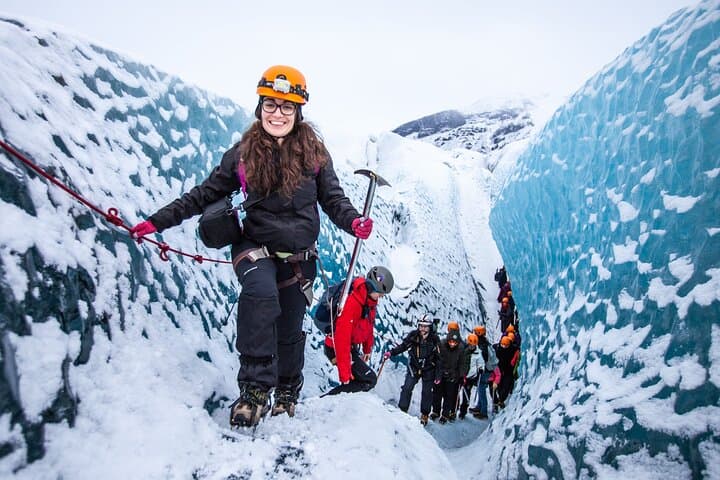
Beneath a sky of shifting light, Skaftafell’s ice reads like a map of time. This three-hour guided glacier hike mixes technical instruction with geology and culture: compact, safe, and unforgettable.