
What the day feels like
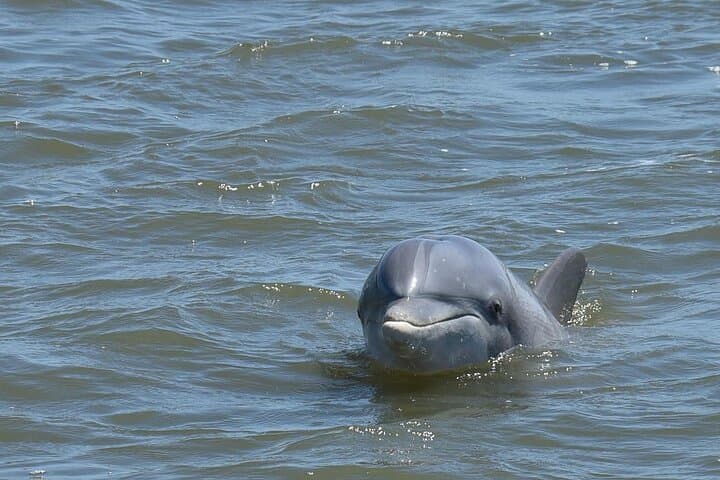
The boat slips away from the dock with the hush of early morning gulls and the harbor stretching open like a map of soft steel and salt. Short, rising wakes push at the hull as the city—cupolas and pastel clapboard houses—falls away. There’s a hush that asks you to listen: the marsh reeds whisper, the pylons scrape a distant rhythm, and the water itself seems to be holding its breath for the telltale rush of bodies cutting the surface. Then a dorsal fin slaps the water and a head pops up as if to say hello. The bottlenose dolphins of Charleston aren’t shy; they’re curious, playful, and they love to ride the bow. On a private two-hour cruise you watch them turn the harbor into a stage, leaping, rolling, and darting through the wakes we create.
This is not just a wildlife show. The Charleston coastline is a layered place: a working port with colonial forts, a network of salt marshes that date back millennia, and barrier islands that have shaped both the ecology and the economy of South Carolina. From the water you get context—Fort Sumter’s distant silhouette where the first shots of the Civil War rang out, the industrial profile of modern piers, and the ragged edge of marsh that filters tidal waters and feeds the birds. Geologically, the low-lying coastal plain is young—sediment from rivers and tides creating the marshes that dolphins, shrimp, and a host of birds call home. Culturally, families who have fished these tides for generations still launch skiffs in the same creeks, and the call-and-response between human and marine life is as old as the port itself.
Tours like the <a href="https://app.advcollective.com/local-experts/private-charleston-dolphin-tour-2-hour-harbor-cruise-spot-dolphins-historic-sights">Private Charleston Dolphin Tour</a> are designed to deliver both a front-row wildlife experience and local color. Guides point out sites—the elegant ironwork on Battery houses, the low hum of shrimp boats at Shem Creek, and the salt marshes that turn luminous in late afternoon light. They’ll explain how tidal cycles concentrate baitfish into channels, how dolphins use those channels to hunt, and why afternoons and early mornings often bring the best shows. If you’re on a private trip for up to 10 people, you get the flexibility to follow wildlife without the herd mentality of larger boats, and the slower pace means more time watching and less time transiting.
Practicality matters here. Two hours sounds short until you’re squinting into the sun and trying to keep a steady camera on a dolphin doing an unpredictable dance. Bring motion-sickness prevention if you’re prone, and aim for calm water times—early morning or late afternoon. The light at either end of the day does the heavy lifting for photographers, painting the marshes gold and giving the dolphins a gleam that makes their skin look pearlescent. On a private charter you’ll often cruise the main harbor and then thread into quieter creeks where dolphins follow shrimp boats and hunt in narrow channels. The guides know the rhythms and the legalities: dolphins are protected under the Marine Mammal Protection Act, so professional crews maintain respectful distances while maximizing viewing opportunities.
Why take a private tour? It’s the intimacy. You can ask about tidal ecology, request a slower drift, or linger at a particular bend where the birds—terns, ospreys, and pelicans—congregate. For families, it’s the simplicity: two hours of outdoor focus with a high likelihood of seeing dolphins and plenty of narrative to hold kids’ attention. For photographers and wildlife lovers, it’s the quality of encounters—less crowd noise, more space to move, and a guide who will hunt out the best light.
Getting the most from the trip is straightforward. Book a morning cruise for calmer seas and a better chance to spot dolphins riding the tide; bring sun protection and a waterproof camera bag; dress in layers because wind off the water chills faster than you expect. Expect a gentle swell in the harbor and faster currents in the main shipping channels. Safety briefings are standard, and life jackets are available on most private boats. If you’d like to time your cruise with a historical stop—plan around visits to Fort Sumter or an afternoon on Sullivan’s Island—the harbor tour pairs well with a full Charleston day.
There’s a quiet satisfaction in coming back into the marina with a boat full of people who have seen something they’ll retell differently—kids who can scarcely finish a sentence because they keep recounting each leap, couples holding cooling coffee and scanning the horizon one more time. The dolphins keep doing what they’ve always done—hunt, play, and ride the tide—but the human perspective changes. You notice the color of the marsh, the flight of an osprey, and the way the city feels smaller, friendlier, from the water.
If you’re planning a trip, think of this as an intimate nature-and-history primer: a compact, two-hour exposure to the coastal ecology of South Carolina with a high return on memory and photographs. For more information or to reserve a private outing that emphasizes wildlife and local insights, see the <a href="https://app.advcollective.com/local-experts/private-charleston-dolphin-tour-2-hour-harbor-cruise-spot-dolphins-historic-sights">Private Charleston Dolphin Tour listing</a>, which lays out times, pricing, and what to expect on board.
Trail wisdom
Small choices, better day.
Timing is everything
Book a morning or late-afternoon cruise for calmer seas and the best light for spotting dolphins.
Bring motion-sickness prevention
Even calm harbor swells can trigger queasiness—take meds 30–60 minutes before departure if you’re prone.
Protect your gear
Use a waterproof case or dry bag for cameras and phones—salt and spray are everywhere.
Respect marine wildlife
Keep a respectful distance and follow your guide’s instructions to avoid stressing dolphins and birds.
Local knowledge
Read the place, not just the route.
Watch for native species including Bottlenose dolphin, Osprey.
Keep an eye out for wildlife during the transition between areas and habitats. Respect distance guidelines.
Dolphins are protected under the Marine Mammal Protection Act—boat operators maintain distance to avoid disturbance; avoid feeding or approaching wildlife and dispose of trash responsibly.
Follow the guide's instructions on size limits, ethical handling, and leave-no-trace practices.
Shem Creek in Mount Pleasant for shoreline birdwatching and shrimp-boat activity. Kayakable side creeks on Folly Island that reveal quiet tidal flats
Locally recommended viewpoints and quiet spots known best to local operators.
Charleston Harbor is historically significant—Fort Sumter, located in the harbor, was where the first shots of the Civil War were fired in 1861.
Maritime roots and regional tradition shape the waterways and working coasts.
Seasonal guide
Four versions of the same landscape.
Spring
Best forDolphin activity · Migratory birds · Mild temperatures
ChallengesUnpredictable weather · Tidal variability
Spring brings active dolphins and migratory shorebirds; mornings are generally calm but weather fronts can move in quickly.
Summer
Best forLong daylight hours · Warm water sightings · Family trips
ChallengesHeat and sun exposure · Higher humidity and afternoon thunderstorms
Summer offers consistent wildlife activity and long days—prepare for strong sun and possible afternoon storms.
Fall
Best forClear skies · Photogenic light · Easing crowds
ChallengesVariable temperatures · Occasional tropical remnants
Fall often produces the clearest skies and crisp light for photography; hurricane season runoff can still affect conditions early in the season.
Winter
Best forQuieter marinas · Crisp air · Birdwatching
ChallengesCooler temperatures · Less predictable dolphin activity
Winter cruises are quieter and can be excellent for birdwatching; dolphins are present but may be less active near the surface.
Operator details
What the booking data adds.
Included
- ✓Bottled water
- ✓Guides is licensed or certified
- ✓All Safety Equipment
Not included
- —You may bring your own. Cooler and Ice will be available for storage.
Good to know
- ✓Service animals allowed
- ✓Public transportation options are available nearby
- ✓Infants are required to sit on an adult’s lap
- ✓Not recommended for travelers with spinal injuries
- ✓Not recommended for travelers with poor cardiovascular health
- ✓Suitable for all physical fitness levels
Pack with intention
What to bring.
Good to know
Common questions.
No wildlife sightings can be guaranteed, but bottlenose dolphins are common in Charleston Harbor and most private two-hour trips report frequent sightings.
Plan the edges
The details that make the day easier.
Fort Sumter, visible from Charleston Harbor, was the site of the first shots of the American Civil War in April 1861.
After your cruise, head to Shem Creek for fresh seafood and waterfront views, or return to downtown Charleston for Lowcountry classics—shrimp and grits or oysters—paired with local craft beer at a nearby brewpub.
- Closest airport
- Charleston International Airport (CHS); Driving distance from downtown Charleston: ~15–20 minutes from the airport; Cell service: generally good in the harbor but can be spotty in more remote creeks; Permits
- passes
- none required for private tour bookings—meeting location provided at reservation.
This tour operates in sensitive tidal habitats—avoid feeding wildlife, dispose of trash properly, and follow guide instructions to minimize disturbance to dolphins and shorebirds.
Explore by topic
Follow the threads.
Keep exploring
Make the story part of the trip.
Set out from Bass Harbor for a private, customizable day on Blue Hill Bay — lighthouses, puffins, seals, and the chance to feel Acadia from the water. Small groups, local captains, unforgettable views.
In four hours you can move from shaded canyon ferns to wind-scoured coastal ridgelines, guided by someone who knows where the light—and the hidden views—live. This private half-day hike on the Monterey Peninsula or Big Sur is compact, curated, and perfect for travelers who want depth without a multiday commitment.
 Related story
Beneath a sky of shifting light, Skaftafell’s ice reads like a map of time. This three-hour guided glacier hike mixes technical instruction with geology and culture: compact, safe, and unforgettable.