
What the day feels like
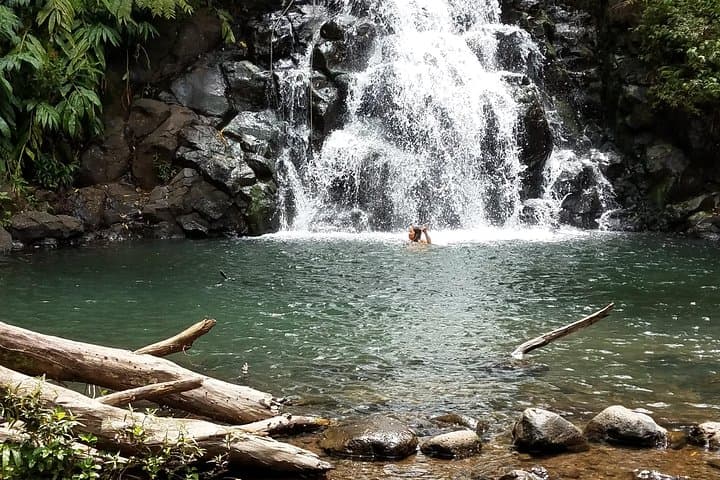
You step off the van where the pavement gives up to coral dust and kiawe trees, and the island’s geometry reshuffles: ridgelines fold into the ocean, a reef rimmed lagoon glints like a coin, and the air carries salt, sunlight and the quiet authority of an island used to doing things on its own timetable. This isn’t a one-size-fits-all excursion; it’s a tailored day on Oahu—six to eight hours designed around the mood of your group, the weather, and the things you actually want to see. You might start with a brisk hike up a coastal ridge, thread a sea cave by kayak at midday, and end with a private sunset on a black-sand spit while someone grills fresh ono. Or you could chase waterfalls in a rain-forested valley, trading surf-lapped shoreline for mossy boulders and the steady drum of a creek daring you to follow.
Custom Island Adventures Tour is less an itinerary than an invitation: private, adaptable, and anchored in local knowledge. For travelers, that’s the point. Rather than follow a bus route, you get the flexibility to chase what’s best on a given day—less time waiting, more time in the scene. The tour runs roughly 6–8 hours, starts in and around Honolulu, and is priced from about $375 for private groups; with 37 reviews averaging almost five stars, operators emphasize professional guides who blend natural history, safety, and discreet logistical skill.
Geology and culture are braided here. Oahu’s landscape is the product of two volcanoes—older Koʻolau and younger Waianae—whose erosion sculpted the island’s valleys, cliffs and reef-lined bays. Trails climb tuff cones and saddle between ridges that once fed lava into the sea; snorkeling spots guard coral gardens that began a millennia earlier. The islands are also living cultural landscapes. Your guide will likely point out ancient ahupuaʻa boundaries (watershed-to-shore land divisions that framed traditional Hawaiian resource management) and tell stories that connect place names to people and practice.
Because the tour is private and customizable, it’s ideal for a broad range of travelers. Families with kids can pick gentle shoreline explorations and picnic setups; more active groups can combine coastal scrambles, stand-up paddle sessions, or a guided hike up a lesser-trafficked ridgeline. Photography-minded travelers can ask to focus on golden-hour coastline, while naturalists can prioritize birding and reef ecology. That adaptability extends to pace and accessibility: pick shorter, flatter routes or a more ambitious loop that includes views across the windward coast.
Practicalities are simple but important. Expect a full day out: guides manage logistics—permits where required, local permits for protected areas, and responsible snorkeling or paddling operations with reef-safe practices. The best time to start is early morning to catch calm seas and softer light, and return before sunset unless the itinerary specifically targets an evening experience. The operator offers instant confirmation and free cancellation, which helps when Hawai‘i’s weather turns from sun to squall without much notice.
What to know before you go: footwear matters—grippy trail shoes for ridge hikes and reef-safe water shoes for ocean access are non-negotiable. Sun and hydration are also critical: the tropical sun is deceptively strong, and island humidity can wipe you out if you’re not drinking steadily. Guides stock local knowledge—where currents tend to run, which beaches buffer swells, and which overlooks are best for a picnic without a crowd. Those little decisions save time and make the day feel easy and private instead of rushed and checklist-driven.
Sustainability is woven into the experience. Oahu’s reefs and endemic species are fragile; reputable guides emphasize reef-safe sunscreen, low-impact shoreline access, and Leave No Trace camping for any overnight options. Those choices aren’t just ethics—they underpin good guiding: fewer crowds, healthier ecosystems, and a richer experience for everyone who follows.
Who is this for? Couples who want a private, active day out; families who need flexibility; photographers and naturalists seeking concentrated local insight; small groups celebrating something who prefer a handcrafted itinerary to a packaged one. It’s not just the activities that change from booking to booking—so does the feel. One afternoon can be a high-energy exploration, another a quiet, slow-moving immersion in the island’s quieter corners.
By day’s end, the island will reveal itself as a layered place: geological storylines, deep cultural roots, and a contemporary community that loves its outdoors. Whether you spend your custom day paddling through a glassy inlet, scrambling a coastal ridge for whale-watching in season, or learning about ancient land stewardship from a local guide, the value is the time you get with someone who knows how to stitch the best of Oahu into a single, uncluttered day. It’s an efficient, intimate way to experience an island that often feels too big for a single visit—designed for people who want to do more than see Oahu; they want to feel it.
Trail wisdom
Small choices, better day.
Start Early
Begin at first light to avoid midday sun, calmer seas for snorkeling, and lighter crowds at popular viewpoints.
Wear Reef-Safe Sunscreen
Protect coral ecosystems by using non-nano, reef-safe sunscreen and applying it at least 15 minutes before entering the water.
Bring a Refillable Water Bottle
Island air and active days dehydrate quickly—carry at least 1–2 liters per person and consider an insulated bottle.
Footwear Matters
Pack grippy trail shoes for ridges and sturdy water shoes for reef entries and slippery lava rock.
Local knowledge
Read the place, not just the route.
Watch for native species including Green sea turtles (honu), Frigatebirds and endemic Hawaiian honeycreepers.
Keep an eye out for wildlife during the transition between areas and habitats. Respect distance guidelines.
Guides emphasize reef-safe sunscreen, maintaining distance from resting turtles, and packing out everything; many private tours limit group size to reduce local impact.
Follow the guide's instructions on size limits, ethical handling, and leave-no-trace practices.
A sheltered tidepool off a lesser-known windward beach for calm snorkeling. A short, shaded valley hike that terminates at a secluded freshwater pool
Locally recommended viewpoints and quiet spots known best to local operators.
Oahu’s ahupuaʻa system historically organized land and resources from mountain to sea, a management approach that informs modern conservation efforts.
Maritime roots and regional tradition shape the waterways and working coasts.
Seasonal guide
Four versions of the same landscape.
Spring
Best forHiking ridgelines · Whale watching (late season) · Calmer ocean conditions
ChallengesOccasional trade-wind showers · Variable sea temperatures
Spring brings steady trade winds and fewer crowds—ideal for ridge hikes and early-season whale sightings; still expect occasional brief showers.
Summer
Best forBeach and snorkeling · Long daylight hours · Warm, calm seas
ChallengesStronger sun exposure · Peak visitor season at popular sites
Summer offers warm, glassy water and long days for combined ocean and inland outings, but plan for more beachgoers.
Fall
Best forClear air and light crowds · Surf scouting · Photography
ChallengesOccasional tropical swells · Shorter daylight in late fall
Fall balances comfortable conditions with smaller crowds; ocean swells can pick up, so choose sheltered snorkel sites.
Winter
Best forBig-wave watching on north shores · Waterfall hikes · Storm-sculpted coastline
ChallengesPowerful winter surf on north shore · Cooler, wetter conditions
Winter is dramatic—great for coastline drama and waterfalls—but north-shore surf can be dangerous for swimming; guides choose locations accordingly.
Operator details
What the booking data adds.
Included
- ✓Good Vibes
Not included
- —Any stops that have been requested by the customer.. will not be included in tour price .. customer must pay all entrance fees.
Good to know
- ✓Service animals allowed
- ✓Public transportation options are available nearby
- ✓Suitable for all physical fitness levels
- ✓No infants please!
Pack with intention
What to bring.
Good to know
Common questions.
Yes—because it’s private and customizable, guides can build a gentler itinerary with short walks, beach time, and shaded picnic stops suitable for kids.
Plan the edges
The details that make the day easier.
Diamond Head (Leahi) is a tuff cone formed by a single volcanic explosion roughly 150,000–200,000 years ago—a visible reminder of Oahu’s volcanic origins.
After a day on the island, head back toward Honolulu for fresh plate lunch or poke—local favorites include malasadas for dessert and a relaxed outdoor spot for craft beers. Consider Helena’s Hawaiian Food for traditional flavors or a beachfront stand for poke and shave ice.
- Closest airport
- Daniel K. Inouye International Airport (HNL); Typical driving distance: 20–60 minutes from Waikiki depending on itinerary; Cell service: Generally good near population centers, spotty in remote valleys; Permits: Some protected sites require permits—operator handles needed permissions.
This private tour emphasizes low-impact access: use reef-safe sunscreen, maintain distance from marine life, carry out trash, and follow your guide’s instructions to protect sensitive shorelines and reefs.
Explore by topic
Follow the threads.
Keep exploring
Make the story part of the trip.
 Related story
Less than two hours from Nairobi, Kereita Forest pairs hands-on canopy adventure with quiet montane trails and a sobering colonial history—perfect for families, teams, and curious travelers seeking a full-day pulse of nature.
Set out from Bass Harbor for a private, customizable day on Blue Hill Bay — lighthouses, puffins, seals, and the chance to feel Acadia from the water. Small groups, local captains, unforgettable views.
In four hours you can move from shaded canyon ferns to wind-scoured coastal ridgelines, guided by someone who knows where the light—and the hidden views—live. This private half-day hike on the Monterey Peninsula or Big Sur is compact, curated, and perfect for travelers who want depth without a multiday commitment.