
What the day feels like
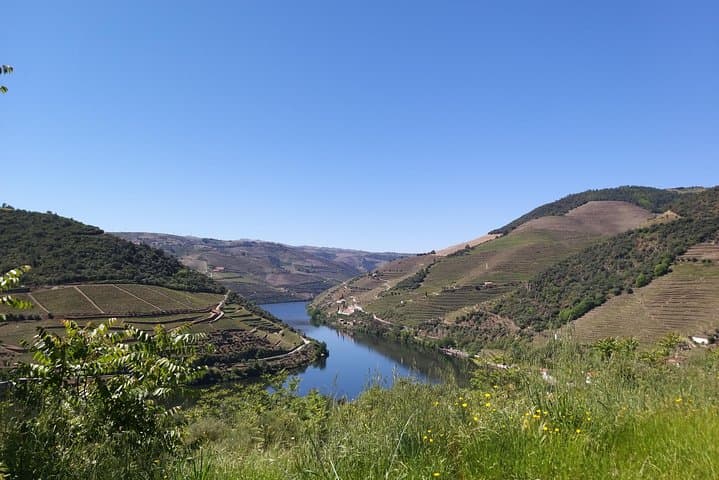
There’s a particular hush that gathers in the folds of the Douro Valley just after the morning light slides across the river. On a private tour you feel that hush the way you might feel the intake before a plunge: both invitation and warning. The road up to the Côa’s open-air galleries winds past terraces where vines lean into the sun, each row like an arm reaching for the next season’s fruit. When your guide opens the gate to the Archaeological Park of Foz Côa, the landscape seems to rearrange itself around a very old conversation — the people who left images on these schist slabs talking back to the present.
The archaeological site at Foz Côa is the real headline: grooves and painted panels whose origins reach back to the Upper Paleolithic. They’re not hidden in caves but spread across valley shelves, exposed to wind and light, which gives the contact with them a different character — intimate and public at once. It’s one thing to read that the engravings here date several tens of thousands of years; it’s another to stand beside a stylized horse or ibex and recognize the same gestures that artists use today to tell a story: an economy of line, a concern for movement. The park is part of the UNESCO-listed Prehistoric Rock Art Sites in the Côa Valley and Siega Verde, and its guardians have balanced protection with access so you can see the images without eroding them.
From the stone to the vines the day slides naturally. Pinhão, the Douro’s terraced heart, arrives as a scene change: whitewashed houses leaning toward the river, a railyard with a postcard-perfect station, and terraces that rise like green steps up the hills. Wineries here are not anonymous factories; they are family plots and generational recipes — old lagares (stone presses), small barrels, and tasting rooms where the history of place is poured into a glass. A private winery visit lifts the curtain on vinification: grape varieties, the logic of schist soils, and the differential sun exposure that makes a Douro wine more than just a label. If you want the region in a single sensory move, taste a teeny glass of late-harvest vinho and let the valley’s sun and geology narrate everything at once.
This is a day built for slow seeing and fast learning. It’s as much geology and anthropology as it is gastronomy: the schist bedrock that gave rise to narrow terraces, the river that has pushed its way through the valley for millennia, and the human labor that carved farms and images into an unforgiving landscape. The people who live here are southerners of endurance; they keep small wineries alive, run family taverns, and steward a fragile cultural patrimony that now carries UNESCO protection.
Practicalities: this private outing runs roughly 8–10 hours. Expect a mix of short, flat walks at the rock-art sites and light vineyard strolls—nothing technical, but bring sturdy shoes because paths can be stony. Summer days get hot; schedule morning access to the Côa galleries and save a late-afternoon tasting in Pinhão when the light softens and the temperature eases. Most operators include private transport, entry to the park, and a couple of winery tastings; confirm what’s covered when you book. If you’re arriving from Porto, plan for about 2.5–3.5 hours of driving each way, or opt for a pick-up from Peso da Régua for a shorter transfer.
What to expect on the ground: be ready for clear, crisp air in spring and fall and river humidity in the heat of summer. Your guide will be part historian, part sommelier — expect stories about Paleolithic techniques, phylloxera’s impact in the 19th century, and how a winemaker’s small decision changes the character of a wine. When photographing the engravings, follow site rules carefully: flash and close contact can damage fragile rock surfaces. On winery terraces, ask to smell first: the nose tells you more than the eyes.
Why go private? A private tour compresses context into time: instead of a scattershot day of sights, you get a curated sequence that strings archaeology and agriculture into a single narrative. You can linger at a petroglyph, ask a vintner a precise question about fermentation, and reorder the day to suit light, appetite, and mood. For travelers who want both the human story and the landscape, the <a href="https://app.advcollective.com/local-experts/douro-valley-private-tour-foz-coa-rock-art-pinhao-winery-tasting">Douro Valley private tour to Foz Côa</a> makes those transitions effortless.
Tips that matter: go with a guide who reads rock art and reads wine labels — they’ll bring knowledge that turns images into narratives and grapes into geography. Bring a layered kit for temperature swings between riverbank shade and exposed terraces. Above all, practice quiet curiosity; the valley rewards slow observation.
If you want a day that accumulates into something larger — a sense of deep time at Côa, then the living, breathing craft of Douro winemaking — this private tour stitches it together. The stones keep their lines. The vines keep their harvest. Between them you find a landscape that insists on being noticed.
Trail wisdom
Small choices, better day.
Walk-Light but Sturdy
Paths at the rock-art sites and between winery terraces are uneven; wear low-ankle hiking shoes or sturdy sneakers.
Protect the Panels
No flash photography and keep a respectful distance from engravings—these surfaces are fragile and regulated.
Hydrate Smart
Bring 1–1.5 liters of water and sip regularly—the valley sun accelerates dehydration, especially in summer.
Book Morning Park Time
Visit Foz Côa early to avoid heat and get better light for viewing the engravings before winery tastings.
Local knowledge
Read the place, not just the route.
Watch for native species including Eurasian otter, Griffon vulture.
Keep an eye out for wildlife during the transition between areas and habitats. Respect distance guidelines.
The Archaeological Park balances public access with protection — visitors must follow site rules to prevent erosion and degradation of rock art.
Follow the guide's instructions on size limits, ethical handling, and leave-no-trace practices.
Miradouro de São Salvador do Mundo (lesser-known viewpoint near Pinhão). Small family lagares that offer informal tastings and a closer look at traditional methods
Locally recommended viewpoints and quiet spots known best to local operators.
The Côa engravings span Upper Paleolithic to more recent prehistoric periods and reflect continuous human presence in the valley.
Maritime roots and regional tradition shape the waterways and working coasts.
Seasonal guide
Four versions of the same landscape.
Spring
Best forwildflower views · mild hiking · off-peak winery visits
Challengesvariable rain · cool mornings
Spring brings green terraces and comfortable walking weather—expect occasional rain and chilly mornings.
Summer
Best forlate harvest events · long daylight · vineyard panoramas
Challengeshigh heat · busy weekends · strong sun
Summer is photogenic and bright but hot; schedule mornings for the rock art and late afternoons for tastings.
Fall
Best forharvest season · vivid foliage · fresh vintages
Challengesharvest crowds · variable rain later in the season
Autumn is harvest time—busy but beautiful, with dynamic colors and winery activity on full display.
Winter
Best forfewer tourists · cozy cellar tours
Challengesshorter daylight · chilly, damp weather
Winter offers quiet access to sites and intimate tastings, though expect colder, shorter days.
Operator details
What the booking data adds.
Included
- ✓Extra options can be added on request – See section Exclusions
- ✓Transport in luxury vehicles, with maximum comfort and extra equipment tailored to your needs.
- ✓Assistance after booking to select optional winery visits, tastings, lunch experiences and boat ride
- ✓Personal accident and liability insurance.
- ✓Our executive vehicles offer Wi-Fi, bottled water, refreshments, and a relaxing atmosphere.
Not included
- —Guided Visit to Canada do Inferno Rock Art Site
- —Foz Côa Museum Visit
- —Quevedo — Gastronomic Port Wine Experience — Cheese with 4 Port Wines
- —Rabelo Boat River Cruise — 1 Hour from Pinhão quay
- —Gratuities are not included and are left to individual discretion.
Good to know
- ✓Service animals allowed
- ✓Specialized infant seats are available
- ✓Not recommended for travelers with poor cardiovascular health
- ✓Suitable for all physical fitness levels
Pack with intention
What to bring.
Good to know
Common questions.
The tour lasts about 8–10 hours, typically starting in the morning and returning in the evening.
Plan the edges
The details that make the day easier.
The Côa Valley’s prehistoric rock art is part of a UNESCO World Heritage listing (Prehistoric Rock Art Sites in the Côa Valley and Siega Verde), recognized for its open-air Paleolithic engravings.
After the tour, eat at a riverside tasca in Pinhão—choose local cheese, chouriço, and a glass of DOC Douro; pair with a visit to a family winery for an intimate cellar chat and a chance to buy a limited bottling.
- Closest airport
- Porto (OPO). Typical driving time: ~2.5–3.5 hours from Porto to Pinhão. Cell service: good near towns, spotty in remote valley reaches. Permits: no special permits for visitors, but the Archaeological Park has opening hours and site rules; entrance fees may apply.
This area balances cultural heritage and working vineyards—stay on designated paths, pack out all trash, avoid touching rock art, and support small local producers when possible.
Explore by topic
Follow the threads.
Keep exploring
Make the story part of the trip.
In four hours you can move from shaded canyon ferns to wind-scoured coastal ridgelines, guided by someone who knows where the light—and the hidden views—live. This private half-day hike on the Monterey Peninsula or Big Sur is compact, curated, and perfect for travelers who want depth without a multiday commitment.
 Related story
Beneath a sky of shifting light, Skaftafell’s ice reads like a map of time. This three-hour guided glacier hike mixes technical instruction with geology and culture: compact, safe, and unforgettable.
 Related story
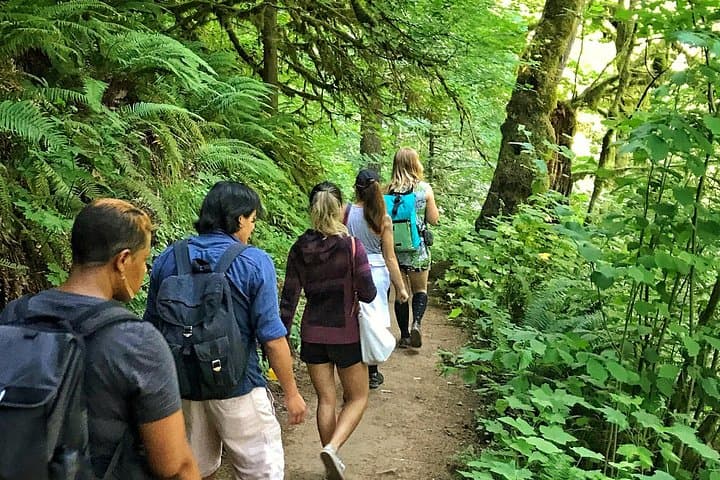
Lose the city for a few hours without leaving it: this 5-mile, 900-foot-gain Forest Park loop threads old-growth pockets, city viewpoints, and cultural landmarks for a compact taste of Portland’s wild side. Expect moss, roots, and stories.