
What the day feels like
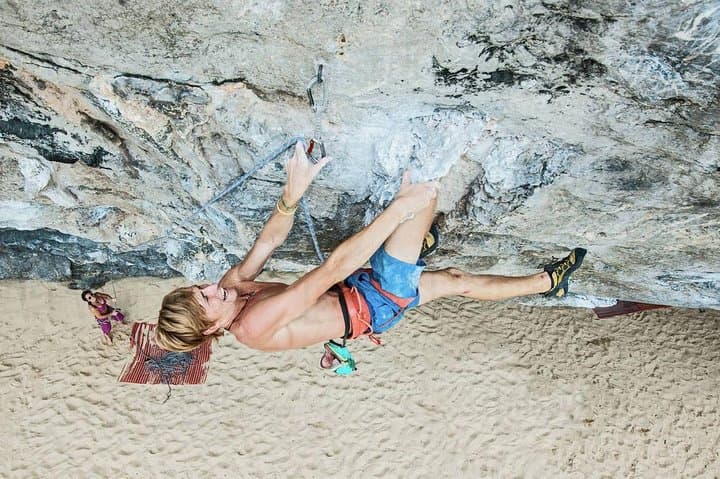
The boat cuts through glassy Andaman water and then Railay appears like a secret revealed—karst towers rising straight from the sea, their weathered faces striped with gullies and streaks of orange lichen. You step ashore where sand meets shadow; the beach smells faintly of salt and lemongrass from nearby kitchens. Above you, cliffs that look impossible from below wait for the careful choreography of harness, rope, and breath. For four hours, Railay’s limestone becomes less of a postcard and more of a classroom: a place to learn the language of climbing—how feet find tiny ledges, how your hands turn static rock into a sequence of moves, how trust in the rope can make a vertical world manageable.
This tour is built for beginners. Guides teach top-roping fundamentals, steady belaying, and the graceful, awkward art of rappelling off a ledge with the Andaman Sea spread beneath you. The instruction is practical: knots, body position, and how to read a route are taught with drills and then applied on single-pitch routes that range from friendly slabs to more featured faces offering pockets and tufas. There’s a brief caving element—you’ll slip into a limestone cavern that cools the air and offers a different kind of vertical context, where light and shadow map the contours of ancient rock.
Railay’s cliffs are not merely dramatic scenery; they are the result of millennia of tectonic uplift and relentless tropical weathering. The same corals that once fringed this coastline accreted and were forced skyward; later, acidic rain and groundwater sculpted the cliffs into the ridges and overhangs climbers now prize. The karst limestone attracts climbers worldwide, giving Railay a culture shaped by rope, chalk, and the languages of travelers. Local hill tribes and fishing communities have long navigated these shores; today, longtail boats ferry sunburned climbers and backpackers who come for the climbing, the cave pools, and the beachfront sunsets.
Why book a half-day climbing trip here? First, the setting is immediate and dramatic: climbs start near the sand and finish with views across the archipelago. Second, guided instruction shortens the learning curve—within hours you go from clipped harness to an exhilarating rappel, backed by certified guides and secure top-rope systems. Finally, the tour balances focus with variety: short approaches, multiple routes suited to different comfort levels, and a cool cave that punctuates the vertical work.
The practical side is refreshingly precise. The tour runs about four hours and is priced from roughly $77; most of that time is hands-on climbing with instruction. Expect single-pitch climbs typically between 20–40 meters—enough to feel exposed without the complexity of multi-pitch logistics. Footwear and harnesses are often provided, but bringing your own approach shoes or climbing shoes improves comfort and confidence. Hydration is non-negotiable; coastal sun and exertion deplete you fast, so plan for 1–2 liters of water for the half-day. Timing matters, too: morning climbs mean cooler rock and softer light for photography; late afternoon brings glowing limestone but also the risk of sea breezes and shifting clouds.
Safety is built into the experience. Guides use top-rope anchors and certified gear; your job is to listen, practice belay drills, and move deliberately. The tour’s caving section is an optional contrast—bring a headlamp, expect damp rock underfoot, and follow your guide’s route-finding. After the climb, reward yourself with a coconut, a swim, and maybe a bench at a low-key beach bar to watch the sky spill color over the karst silhouettes.
This half-day is ideal for travelers who want high-impact adventure with a modest time commitment. It’s approachable for families and active couples, and for intent climbers it’s a scenic primer before committing more days to Railay’s vast route catalog. Whether you come for the technical learning, the view from a rappel point, or simply the satisfaction of moving up rock that shaped a shoreline, Railay delivers a compact, memorable dose of vertical travel.
Ready to climb? Go with realistic expectations: you’ll work, you’ll get tired, and you’ll likely grin at the view from a belay ledge. Bring sun protection, accept that the sea will be your backdrop and the rock your teacher, and leave space in your itinerary for a slow swim and a plate of tangy southern Thai curry afterward. The cliffs here are patient—returning climbers find new lines on faces they thought they’d exhausted. For a half-day that balances skill building with coastal drama, Railay is hard to beat.
Trail wisdom
Small choices, better day.
Start Early
Morning sessions avoid the hottest sun and give better rock friction for footwork.
Hydrate Proactively
Bring 1–2 liters and sip steadily; coastal heat plus exertion depletes energy fast.
Wear Approach Shoes
Light, grippy shoes make the short beach-to-base approach and initial footholds easier.
Listen to Your Guide
Follow belay and rappel commands exactly—skills are taught quickly but safety depends on precision.
Local knowledge
Read the place, not just the route.
Watch for native species including Monitor lizards, Tropical seabirds such as white-bellied sea eagles.
Keep an eye out for wildlife during the transition between areas and habitats. Respect distance guidelines.
Climbing concentrates on established routes—stick to paths, avoid adding new anchors, and use minimal chalk; local operators work with communities to limit erosion and litter.
Follow the guide's instructions on size limits, ethical handling, and leave-no-trace practices.
Phra Nang Cave Beach and its shaded caves for a post-climb cooldown. Short viewpoint trails behind Railay West for sweeping archipelago panoramas
Locally recommended viewpoints and quiet spots known best to local operators.
Railay’s karst landscape formed from uplifted coral and limestone; the area developed into a climbing mecca in the late 20th century as climbing guidebooks introduced international climbers to its routes.
Maritime roots and regional tradition shape the waterways and working coasts.
Seasonal guide
Four versions of the same landscape.
Spring
Best forWarmer weather · Less rain than summer · Early morning climbs
ChallengesHot midday sun · Higher humidity
March–May brings heat and humidity; mornings are best for climbing before temperatures spike.
Summer
Best forLush landscapes · Lower tourist density on some days
ChallengesMonsoon rains and slippery routes · Possible cancellations
June–August is wetter; expect afternoon storms and occasional tour disruptions—plan flexibility.
Fall
Best forEmerging drier weather late season · Fewer crowds after peak monsoon
ChallengesResidual rain early in season · Unpredictable conditions
September–November transitions from wet to dry—late fall offers improving conditions but check forecasts.
Winter
Best forClear skies · Cooler temperatures · Optimal climbing conditions
ChallengesPeak tourist season—book ahead · Higher prices
November–February is the best time to climb: cooler mornings, clear seas, and dependable weather.
Operator details
What the booking data adds.
Included
- ✓Round trip hotel transfers (any Ao Nang, Klong Muang or Krabi Town hotel)
- ✓Water
- ✓Basic accident insurance
- ✓Fruit and soft drinks
- ✓All equipment
- ✓Picnic lunch on full day courses
- ✓English-speaking instructor
Not included
- —Picnic lunch on half day courses
- —Gratuities
Good to know
- ✓Public transportation options are available nearby
- ✓Infants are required to sit on an adult’s lap
- ✓Not recommended for travelers with spinal injuries
- ✓Not recommended for pregnant travelers
- ✓Not recommended for travelers with poor cardiovascular health
- ✓Travelers should have at least a moderate level of physical fitness
- ✓Recommended to Bring : Camera, Towel, Poncho (in case of rain), Mosquito repellent, Sunscreen, Hat, Snacks, Your own travel insurance.
Pack with intention
What to bring.
Good to know
Common questions.
No—this tour is designed for beginners and includes certified instruction on top-rope techniques and rappelling.
Plan the edges
The details that make the day easier.
Railay Peninsula is accessible only by boat because towering limestone cliffs cut it off from the mainland—longtail boats have been the link for generations.
After a climb, head to a beachside shack for grilled seafood and som tam (papaya salad), grab a cold beer while watching the sunset over the karst silhouettes, or take a short boat ride to Ao Nang for more lively restaurants and night markets.
- trailhead
- Krabi International Airport (KBV); Driving distance from the nearest town: 15–25 minute longtail boat from Ao Nang; Cell service expectations: usable but spotty on sections of Railay; Permits or passes required: none for recreational climbing, but follow local rules and operator guidelines.
This karst shoreline is ecologically sensitive—pack out all trash, avoid creating new bolting sites, and limit chalk use. Support local businesses and respectful guiding operations.
Explore by topic
Follow the threads.
Keep exploring
Make the story part of the trip.
Set out from Bass Harbor for a private, customizable day on Blue Hill Bay — lighthouses, puffins, seals, and the chance to feel Acadia from the water. Small groups, local captains, unforgettable views.
In four hours you can move from shaded canyon ferns to wind-scoured coastal ridgelines, guided by someone who knows where the light—and the hidden views—live. This private half-day hike on the Monterey Peninsula or Big Sur is compact, curated, and perfect for travelers who want depth without a multiday commitment.
 Related story
Beneath a sky of shifting light, Skaftafell’s ice reads like a map of time. This three-hour guided glacier hike mixes technical instruction with geology and culture: compact, safe, and unforgettable.