
What the day feels like
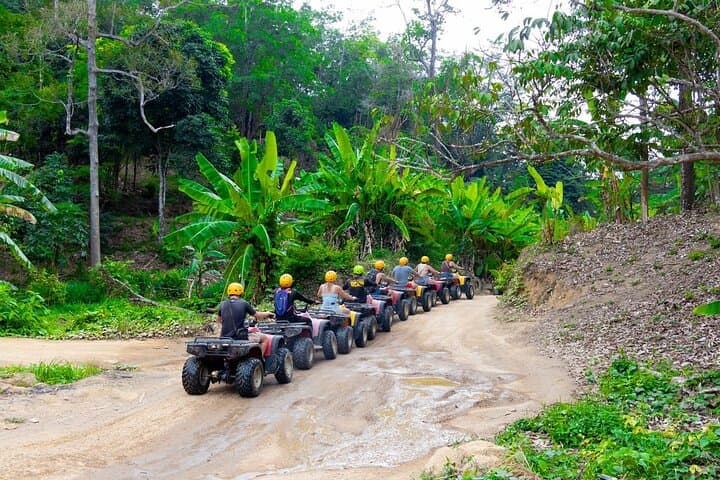
The afternoon begins with the hum of engines and a line of helmets clicked into place. Dust rises from the rutted track as eight ATVs ease into a single-file ribbon that threads between rubber plantations and stands of native forest. Leaves scrape visor shields, and the air smells of damp earth warmed by late-morning sun. For the next two hours the island of Phuket shrinks to a series of immediate sensations: throttle against palm, suspension soaking up roots, wind on your teeth. Then, unexpectedly, the world opens—platforms in the canopy, a harness snug at your hips, and a zipline that dares you to look down and fly.
This is the rhythm of the ATV Riding and Zipline Adventure Tour from Phuket: a compact, high-adrenaline loop that stitches together the island’s rural interior with its aerial perspectives. It’s not long—roughly two hours door-to-door in its advertised rhythm—but it’s dense with variety. Riders cover roughly 8–12 kilometers of dirt track that vary from compacted jungle road to soft mud and rocky ruts. The zipline section is a sequence of tree-to-tree runs and wooden platforms custom-built to the local growth; guides walk you through clipping systems and body position before you step off.
Phuket’s geology and history help explain why this mix of motorized and aerial adventure works so well. The island’s backbone is old granite outcrops and low hills that were once navigational markers for the Malay peninsula’s traders. Rubber plantations and pineapple farms replaced much of the lowland forest in the 20th century, but pockets of secondary growth cling to the sharper ridgelines. That mix—farm road, river crossings, and quick elevation changes—makes for an ATV course that feels varied without becoming technical.
Culturally the tour also brushes up against the things travelers come to Phuket for: a stop at the famous Big Buddha provides a panoramic counterpoint to the jungle close‑ups. Perched on Nakkerd Hills, the statue is a restful, white-marble presence that rises above the island’s bustle—a reminder that even a half-day adrenaline loop can fold into local place and practice. Guides generally make a point of pausing here, offering time to consider the view and the quiet, then driving you back toward the coast where markets and beach towns pick up the tempo again.
This experience is aimed at travelers who want a bite-sized but full-throttle taste of Phuket’s outdoors. It’s family-friendly if younger riders meet the age/height requirements and are comfortable bouncing over rough ground; it’s also an efficient choice for travelers on limited time who don’t want to commit to a full-day trek or island-hopping itinerary. The tour operator includes hotel pick-up and drop-off, helmets, harnesses, and safety briefings—so your part is to arrive curious and in sensible clothes.
Practical edge: wear closed-toe shoes with a grippy sole, long sleeves if you’re sensitive to sun or brush, and plan on getting dusty. Hydrate ahead; a reusable 1-liter bottle tucked into a small daypack is ideal. Expect a short briefing and a quick practice loop before guides send you off, and keep your speed respectful of trail conditions and other riders. When you move to the zipline section, adopt the ‘look ahead, relax shoulders, keep feet forward’ posture the guides teach—the runs are designed to be friendly to first-timers, but the sensation is sharper than a scenic stroll.
Timing matters. The island’s dry months—November through April—bring firmer trails and clearer views, while the monsoon season (roughly May to October) turns some tracks into soft, fun-slipping mud that can be thrilling but messier. Early morning or late afternoon departures avoid the worst heat and give you better light for photos.
Safety and local context are folded into the experience. Guides are typically bilingual and trained in ATV handling and zipline belay systems. Respect for cultural sites—like shoe-off areas at the Big Buddha—and minimal-impact behavior on trails are part of the briefing. Locally, operators work with small teams of mechanics and riggers who maintain equipment; tipping a good guide is customary for attentive service.
Why go? Because it is an efficient, sensory way to stretch a Phuket itinerary. You get the visceral pleasure of learning how to read a track, the satisfaction of a small technical challenge, and then the clean, open rush of flying between trees. For travelers who balance curiosity with limited time, this tour compresses a lot of the island’s character—its mucky edges and panoramic summits—into a manageable, memorable slice.
If you want to stretch the day afterward, explore nearby viewpoints, eat fresh seafood in Kata or Rawai, or wander Phuket Town’s colorful markets. For photographers, the switch from close-action to wide landscape is a rare gift—pack a small action camera for helmet mounts and switch to a wider lens when you reach the Big Buddha.
In the end, this is straightforward outdoor adventure: a well-executed mix of speed and calm, machine and harness, island earth and open sky. It’s not the last word in extreme sports, but it is a perfectly calibrated opportunity to see Phuket from two very different angles—throttle-first and feet-off-the-ground—within one tight, unforgettable afternoon.
Trail wisdom
Small choices, better day.
Arrive Hydrated
Drink water before pickup and carry a 1‑liter bottle; tropical heat and sun plus a short, active session can dehydrate you fast.
Shoe Choice Matters
Closed-toe shoes with a grippy sole protect your feet on ATVs and help when scrambling onto zipline platforms.
Listen During Briefings
Guides run a short safety and technique briefing—pay attention to throttle control and braking on loose surfaces.
Protect Your Phone
Use a waterproof pouch or leave unneeded electronics at the van—dust and mud are common on the trails.
Local knowledge
Read the place, not just the route.
Watch for native species including Long-tailed macaque, Monitor lizard.
Keep an eye out for wildlife during the transition between areas and habitats. Respect distance guidelines.
Operators increasingly emphasize staying on designated tracks, not feeding wildlife, and using reef-safe sunscreens to protect local ecosystems.
Follow the guide's instructions on size limits, ethical handling, and leave-no-trace practices.
A short detour to Karon Viewpoint for a layered coastal panorama. A local roadside stall near the trailhead selling grilled seafood and coconut water
Locally recommended viewpoints and quiet spots known best to local operators.
The tour often includes a stop at Phuket’s Big Buddha, a 45-meter-tall statue on Nakkerd Hills that has become a modern cultural landmark.
Maritime roots and regional tradition shape the waterways and working coasts.
Seasonal guide
Four versions of the same landscape.
Spring
Best forModerate temperatures · Firmer trails · Fewer crowds than high season
ChallengesOccasional showers late in season · Vegetation greening can obscure views
Spring balances warmth and fewer tourists; expect mostly firm trails with the odd shower that freshens the forest.
Summer
Best forLush jungle scenery · Lower hotel rates · Adventurous muddy rides
ChallengesMonsoon rains possible · Slippery sections on trails
Summer brings intense green growth and occasional heavy rain—rides can be muddier and more technical.
Fall
Best forDrier tracks after monsoon · Clearer panoramas from Big Buddha · Comfortable temperatures
ChallengesTransition weather can be unpredictable early in the season
Fall is a strong window as trails firm up and views clear—ideal for combining ATV and zipline comfortably.
Winter
Best forDry, stable conditions · Best visibility · Comfortable touring temperatures
ChallengesPeak tourist season brings more bookings · Higher prices
‘Winter’ in Phuket (Nov–Feb) is the optimal season—cooler, dry, and ideal for both trail grip and aerial visibility.
Operator details
What the booking data adds.
Included
- ✓Drinking water
- ✓Accident Insurance for rider & passenger (ATV damages not covered)
- ✓First Aid Kit
- ✓Join in ATV experience
- ✓Safety equipments
- ✓Round trip transfer from Patong, Kata, Karon, Rawai or Chalong
- ✓Tour Guide
- ✓Raincoat (on rainy days)
Not included
- —Extra Transfer: 300 THB/person (roundtrip) – Phuket Town, Ao Yon, or Panwa.
- —Extra Transfer: 1,400 THB/car (roundtrip) – Kamala, Kathu, Siray Bay, or Leam Hin Pier.
- —Extra Transfer: 1,600 THB/car (roundtrip) – Pakok, Cape Yamu, Surin Beach, or Bangtao Beach.
- —Extra Transfer: 1,600 THB/car (roundtrip) – Cherng Thalay, or Thalang.
- —Extra Transfer: 1,800 THB/car (roundtrip) – Nai Yang, Airport Area, Nai Thon Beach, or Layan Beach.
- —Extra Transfer: 2,000 THB/car (roundtrip) – Maikhao Beach Area.
Good to know
- ✓Public transportation options are available nearby
- ✓Not recommended for travelers with spinal injuries
- ✓Not recommended for pregnant travelers
- ✓Not recommended for travelers with poor cardiovascular health
- ✓Suitable for all physical fitness levels
- ✓Child ticket age between 4-11 years or less than 130cm in height (proved may be required)
- ✓The ATV trip has no weight restrictions. Riders have to be in good physical and mental ability to ensure safety. No alcohol is permitted
- ✓For passengers, make a reservation by specifying a child ticket, and driving is not allowed
- ✓The zipline trip is not recommended for a person with more than 120 kg
- ✓Pregnant women should not participate in the tour. People with disabilities should not participate in the tour
- ✓During the tour, riders are asked to strictly follow the tour guide/instructor. The tour operator has the right to stop any risky riding with no refund
- ✓On the rare occasion that we should be required to cancel a tour, we will inform you in advance and offer a different tour date, an alternative tour or provide a full refund
- ✓The interior of the Big Buddha is temporarily closed, but don’t worry! You can still marvel at its grandeur from the outside and take in the breathtaking bird’s-eye views of the surrounding area. The experience remains as memorable and enjoyable as ever!
Pack with intention
What to bring.
Good to know
Common questions.
No—basic instruction and a short practice loop are provided, but you should be comfortable using a throttle and brakes and able to follow guide speed limits.
Plan the edges
The details that make the day easier.
The Phuket Big Buddha stands approximately 45 meters tall and is faced with Burmese white marble, offering wide views across the island from Nakkerd Hills.
After the tour, head to Kata or Rawai for fresh seafood—try a grilled whole fish with som tam, wash it down with a cold Singha, or wander Phuket Town’s Chillva Market for local snacks and craft stalls.
- Closest airport
- Phuket International (HKT)
- Typical drive from Patong
- 20–40 minutes depending on traffic
- Cell service
- generally good near towns, patchy in interior jungle
- Permits
- none required for tourists; operator provides safety gear and briefing.
Respect trail closures, don’t feed wildlife (especially macaques), and carry out all trash; support operators who maintain equipment and follow local environmental guidelines.
Explore by topic
Follow the threads.
Keep exploring
Make the story part of the trip.
In four hours you can move from shaded canyon ferns to wind-scoured coastal ridgelines, guided by someone who knows where the light—and the hidden views—live. This private half-day hike on the Monterey Peninsula or Big Sur is compact, curated, and perfect for travelers who want depth without a multiday commitment.
 Related story
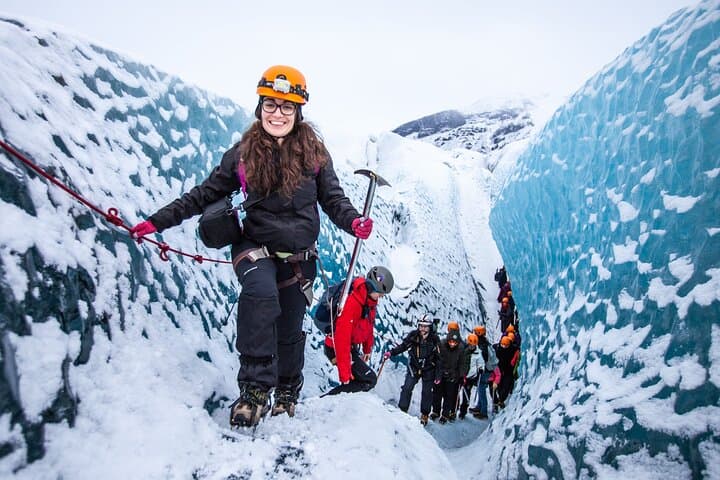
Beneath a sky of shifting light, Skaftafell’s ice reads like a map of time. This three-hour guided glacier hike mixes technical instruction with geology and culture: compact, safe, and unforgettable.
 Related story
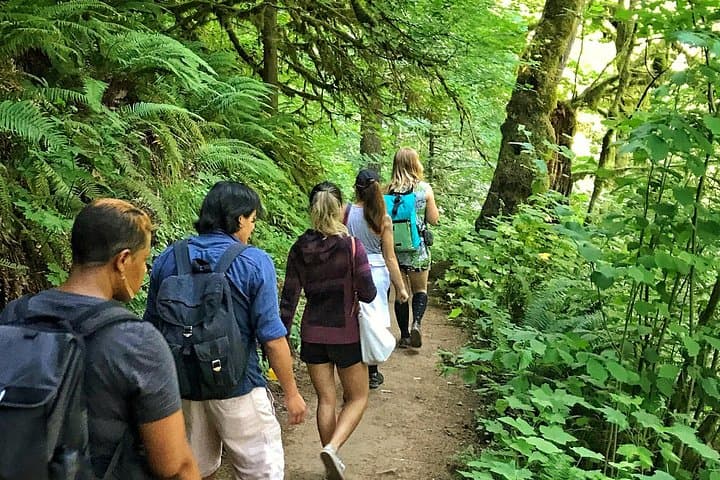
Lose the city for a few hours without leaving it: this 5-mile, 900-foot-gain Forest Park loop threads old-growth pockets, city viewpoints, and cultural landmarks for a compact taste of Portland’s wild side. Expect moss, roots, and stories.