
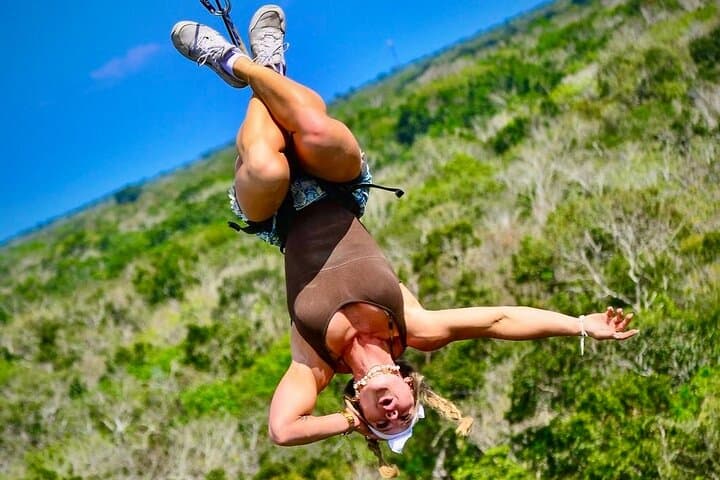
What the day feels like
You start with the smell of wet earth and gasoline: a jungle road that feels deliberately unruly, a promise more than a route. The ATV engine rumbles beneath you and the trail opens—dappled light, low limestone outcrops, and the occasional bright green flash of a motmot bird. On this four-to-five-hour loop out of Tulum you trade the slow rhythm of the beach for a compressed day of motion—zipline thrills that send you over canopy, cavern swims that pin your breath with blue clarity, and a jungle that presses in like an old friend with a secret. Nature is active here: the cenotes dare you to dive, the cave asks you to slow down and listen, and the jungle frames it all with a constant, humid hush. The tour builds into a practical crescendo. After local pickup, guides lead a ride through purpose-built trails to three cenotes—Cenote Alux, the vaulted Nohoch Cavern, and the open Jaguar Cenote—each offering a different relationship to light and water. At Alux you enter a collapsed limestone bowl where sunlight punches through, transforming algae-laced walls into a palette of greens. Nohoch invites a quiet reverence: a cavernous swim beneath stalactites where the water holds a stillness broken only by breath and the occasional drip. Jaguar, open and reflective, makes for easy swimming and mirror-like photos. The day also includes a zipline—brief, sharp, and exhilarating—and a chance to relax with a snack under the trees. Those sensory moments come with useful specifics: the total outing runs roughly 240–300 minutes (about 4–5 hours), and tours typically include hotel pickup, safety briefings, and entrance fees; pricing starts at about USD 100.13. The region’s geology explains the show. The Yucatán is a flat, porous limestone plateau with an extensive underground river system. Cenotes are the visible mouths of that system—collapsed sinkholes that give passage to freshwater and choreograph subterranean light. The Maya civilization considered some of these cenotes sacred, essential water sources and ceremonial places. Today the same caves and pools are enjoyed on a far more recreational timetable, but the echo of cultural significance remains: be respectful, listen to local guides, and understand that you’re entering a fragile environment. There’s an immediacy to the practicalities, too. Expect uneven terrain and dust on the ATVs; wear closed-toe shoes for the ride and water shoes for the cenotes. Guides provide helmets and life vests, but bring a dry bag and a refillable water bottle—the jungle yields appetite and thirst. Timing matters: mornings are cooler and have softer light inside the cenotes; afternoons can be hotter and busier. For photographers, a polarizing filter makes the water’s column readable, while a waterproof case frees you to shoot from a floating vantage. If this reads like an adrenaline-laced checklist, it’s because the tour is staged to keep momentum: land, water, air, repeat. That variety is the reason travelers book it—if you want a single, efficient half-day that samples the Yucatán’s core outdoor ingredients, this delivers. But the experience is not just about adrenaline. The pauses—the low-slung sunlight in a cave, the quiet when you float in cold blue water—give an equal measure of calm. Guides will often point out local flora and fauna: iguanas sunning on limestone ledges, coatis slipping through the underbrush, and a soundtrack of tropical birds. Take those minutes to notice patterns: how the light fractures on limestone, how the water tastes clean and mineral-rich, and how the jungle sounds like a living machine. Practical planning: wear biodegradable sunscreen and apply it only after leaving the water (many parks ask that you rinse before entering caves), bring a minimal camera kit, and be prepared for spotty cell service once you’re off the main road. The tour’s manual confirmation and small-group approach mean it’s worth checking details with the operator—safety briefings, rider requirements for ATVs, and whether lockers or changing areas are available. In short, this is a day that moves quickly but smartly: engineered excitement tempered by geological wonder and, if you choose to sit with it, an appreciable dose of quiet. Expect to leave dusty, damp, and an hour or two wiser about a landscape that has fed and fascinated people for millennia.
Trail wisdom
Small choices, better day.
Hydrate Before You Go
Bring a 1.5–2L refillable water bottle—jungle heat and ATV dust dehydrate faster than you expect.
Wear Closed-Toe Shoes
Sturdy sneakers for the ATVs and water shoes for cenote swims protect feet on wet limestone and trails.
Use Biodegradable Sunscreen
Apply only after exiting cenotes; many sites require pre-swim showers to protect water quality.
Bring a Small Dry Bag
Keep phone, ID and cash dry during swims and on the ATV—many tours include a short snack but not full lockers.
Local knowledge
Read the place, not just the route.
Watch for native species including Green iguana, Coati (local raccoon-like mammal).
Keep an eye out for wildlife during the transition between areas and habitats. Respect distance guidelines.
The cenote ecosystems are fragile; use biodegradable sunscreen, avoid touching formations, and follow guides’ rules to minimize impact.
Follow the guide's instructions on size limits, ethical handling, and leave-no-trace practices.
Quiet swim ledges at Nohoch Cavern where light shafts form in late morning. A shaded hammock area near Jaguar Cenote that’s perfect for a slow snack and birdwatching
Locally recommended viewpoints and quiet spots known best to local operators.
Cenotes are part of the Yucatán’s porous limestone landscape and were important freshwater sources for the Maya; some were also ceremonial sites.
Maritime roots and regional tradition shape the waterways and working coasts.
Seasonal guide
Four versions of the same landscape.
Spring
Best forFewer crowds than high winter season · Warm water for swimming
ChallengesOccasional rain showers · Warmer midday temperatures
Spring offers comfortable weather and good water visibility; expect some short rains and increasing warmth by late spring.
Summer
Best forLush jungle scenery · Longer daylight hours
ChallengesHigh heat and humidity · Summer storms and more insects
Summer is vivid and green but hotter; start early to avoid midday heat and check for weather delays.
Fall
Best forLower tourist numbers after peak season · Warm water conditions
ChallengesHurricane season window (Aug–Oct) can disrupt plans · Increased rainfall variability
Fall can be a quieter time to visit but carries higher weather risk—monitor forecasts and flexible bookings.
Winter
Best forCooler mornings and dry weather · Clear skies for photos
ChallengesBusiest tourist season · Higher prices and fuller tours
Winter’s dry season is ideal for clear cenote water and comfortable ATV conditions, though expect more people.
Operator details
What the booking data adds.
Included
- ✓Entrance fee
- ✓Snacks
- ✓ATV
- ✓Air-conditioned vehicle
- ✓Zip Line
Good to know
- ✓Public transportation options are available nearby
- ✓Not recommended for travelers with spinal injuries
- ✓Not recommended for travelers with poor cardiovascular health
- ✓Travelers should have at least a moderate level of physical fitness
Pack with intention
What to bring.
Good to know
Common questions.
The tour runs about 240–300 minutes (4–5 hours) and typically includes hotel pickup, ATV and helmet, a zipline experience, entry to three cenotes (Cenote Alux, Nohoch Cavern, Jaguar Cenote), life vests, and a snack.
Plan the edges
The details that make the day easier.
The Yucatán Peninsula has virtually no surface rivers; cenotes are windows into an extensive underground river system that supplied fresh water to the ancient Maya.
After the tour, head into Tulum Pueblo for seafood at El Camello Jr. or a cold drink at Batey Mojito & Guarapo; try fresh ceviche or a grilled fish taco and sample local mezcal for an authentic finish to your day.
- Closest airport
- Cancún International (CUN) ~1.5–2 hours drive; hotel pickup commonly provided; driving from Tulum hotel zone to some cenote sites: 20–40 minutes; expect limited cell service in jungle
These cenotes are part of a delicate underground watershed—pack out trash, use biodegradable sunscreen and follow guide instructions to protect cave formations and aquatic life.
Explore by topic
Follow the threads.
Keep exploring
Make the story part of the trip.
Set out from Bass Harbor for a private, customizable day on Blue Hill Bay — lighthouses, puffins, seals, and the chance to feel Acadia from the water. Small groups, local captains, unforgettable views.
In four hours you can move from shaded canyon ferns to wind-scoured coastal ridgelines, guided by someone who knows where the light—and the hidden views—live. This private half-day hike on the Monterey Peninsula or Big Sur is compact, curated, and perfect for travelers who want depth without a multiday commitment.
 Related story
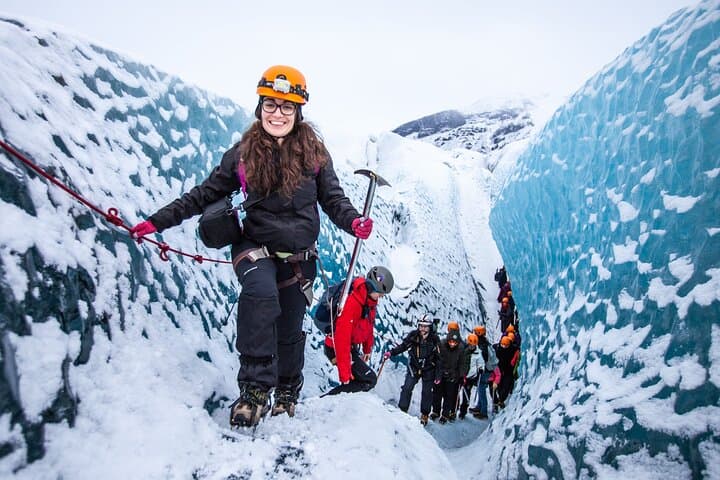
Beneath a sky of shifting light, Skaftafell’s ice reads like a map of time. This three-hour guided glacier hike mixes technical instruction with geology and culture: compact, safe, and unforgettable.