

What the day feels like
The engine coughs, settles, and then finds a steady, cheerful growl as the buggy lunges forward into a ribbon of dappled green. A canopy of subtropical forest presses close on either side—ferns brushing the roll cage, sunlight slicing through layered leaves—and the track ahead alternates between glassy mud and baked red clay. For 60 minutes you are, improbably, inside a time slip: palm and banyan roots, the perfume of wet earth, and a horizon that occasionally opens to the sea. The ride is compact and intense, the kind of half‑day adventure that leaves your palms buzzing and your smile set for hours.
This is northern Okinawa near Nago, where the island’s subtropical interior—often called Yanbaru—meets human play. The 60min Buggy / ATV adventure tour in Jungle in Okinawa is marketed as an accessible off‑road experience: full‑sized ATVs, steep descents, bumpy tracks, and short jungle courses engineered to deliver the thrill without the commitment of a full‑day expedition. Practically speaking, you’re not signing up for technical rock crawling; you’re buying a concentrated dose of engine noise, motion, and landscape.
Geologically, Okinawa’s north is the product of uplifted coral terraces and volcanic history smoothed into rolling hills and valleys. Over millennia, warm currents and heavy rainfall fostered a dense subtropical rainforest distinct from mainland Japan—thick with endemic plants, figs, and the odd stand of castanopsis. Cultural history layers onto that ecology: the Ryukyu Kingdom once linked these islands to China and Southeast Asia more than to Tokyo, and traces of that legacy survive in cuisine, language, and local crafts in towns like Nago.
On the ground the tour operator arranges machines, helmets, and a short safety briefing; many bookings are private and confirm instantly, making this an attractive option for travelers with tight schedules. Expect readouts like price from about $69.48 for a single, hour‑long excursion—an economical adrenaline hit compared with full‑day eco‑safaris. Reviews are small in number but generally positive: the trip favors people who want immediacy over endurance, families or mixed‑ability groups, and travelers looking to pair a half‑day ride with beaches, hikes, or market visits later in the day.
Why go? There’s a practical answer and an emotional one. Practically, this is a safe, guided way to see the island’s interior without a long hike or expensive charter. Emotionally, there’s a distinct pleasure in mechanical motion held against a living, breathing forest: the trees seem to lean in, the trail dares you to go faster, the earth pushes back with a wet rut or a sudden climb. Nature here feels like a character—sometimes forgiving, sometimes testing—and that dynamic is what makes the short tour memorable.
Timing matters. Mornings are cooler, trail surfaces firmer, and visibility better for photographs; afternoons can bring heat and, in summer, showers. Typhoon season (typically mid‑summer) raises real logistical and safety concerns—book with a flexible operator, verify cancellation policies, and pay attention to local weather advisories.
Practical logistics are straightforward. Most guests fly into Naha Airport and drive about 1–1.5 hours north to Nago. The tour’s meeting point is typically near downtown Nago or a dedicated site in the surrounding jungle—operators often provide a map and parking details at booking. Gear is minimal: closed‑toe shoes, a windproof layer, sunscreen, and a small daypack for water and your camera. Guides equip riders with helmets and explain throttle control, braking, and what to do if you get stuck.
Safety and stewardship go hand in hand. Stick to the designated trails to protect fragile understory and endemic wildlife, and resist revving or idling in sensitive areas. If your operator provides safety instruction and environmental guidance, that’s a good sign—they’re managing both risk and the site’s long‑term viability. Expect the operator to brief you on machine basics and to pair less experienced riders with instructors.
For photographers the tour offers quick wins: contrasts between dark, textured forest and bright patches of sky, low angles where roots and mud look cinematic, and small moments of stillness when the engine cuts and birds call. Bring a compact, weather‑sealed camera or a smartphone with a good stabilization setting; a wrist strap is a must on bumpy tracks.
In short: if you want a tight, motorized taste of Okinawa’s wild north—part cultural sidestep, part outdoor playground—this hour of throttle and trail is a smart choice. It won’t replace longer hikes or deep ecological tours, but it will plant you squarely inside the island’s subtropical character and push a grin across your face on the way back to town.
Trail wisdom
Small choices, better day.
Ride Early
Start in the morning when trails are firmer and temperatures cooler to avoid midday heat and afternoon showers.
Wear Closed‑Toe Shoes
Sturdy sneakers or lightweight hiking shoes protect your feet and give needed grip when mounting and dismounting.
Secure Loose Items
Strap down phones and cameras or leave them at the meeting point—bumpy tracks toss things fast.
Listen to the Briefing
Follow the guide’s throttle, brake, and buddy‑system instructions; they know the trail and local hazards.
Local knowledge
Read the place, not just the route.
Watch for native species including Okinawa rail (endemic), Ryukyu flying fox (fruit bat).
Keep an eye out for wildlife during the transition between areas and habitats. Respect distance guidelines.
The Yanbaru area is ecologically sensitive—stay on trails, minimize noise, and choose operators that follow local conservation guidelines.
Follow the guide's instructions on size limits, ethical handling, and leave-no-trace practices.
Bise Fukugi Tree Road — a peaceful coastal avenue of ancient trees near Nago. Nago Public Market — a compact food market to sample Okinawan soba and local seafood
Locally recommended viewpoints and quiet spots known best to local operators.
Northern Okinawa has long been home to Ryukyuan culture; the Yanbaru forest was historically less settled and retains cultural ties to the island’s subsistence communities.
Maritime roots and regional tradition shape the waterways and working coasts.
Seasonal guide
Four versions of the same landscape.
Spring
Best forCooler riding temperatures · Lush foliage and wildflowers
ChallengesUnpredictable rain showers · Early pollen for sensitive riders
Spring offers mild temperatures and vibrant forest growth—ideal for a comfortable ride and clearer skies.
Summer
Best forExtended daylight · Even lusher forests
ChallengesHigh heat and humidity · Typhoon season and heavy rain
Summer is energetic but hot; avoid peak typhoon months and ride early to beat heat and storms.
Fall
Best forStable weather · Lower humidity
ChallengesCooler evenings · Occasional rain fronts
Autumn provides some of the most stable conditions for off‑road riding and clearer vistas.
Winter
Best forCrisp, dry days · Off‑peak, quieter trails
ChallengesCooler temperatures · Less lush foliage
Winter days are cooler and quieter—good for focused riding if you layer up for mornings and evenings.
Operator details
What the booking data adds.
Included
- ✓ATV/sandals/helmets
Not included
- —rain coat
Good to know
- ✓Not recommended for travelers with spinal injuries
- ✓Not recommended for pregnant travelers
- ✓Not recommended for travelers with poor cardiovascular health
- ✓Travelers should have at least a moderate level of physical fitness
Pack with intention
What to bring.
Good to know
Common questions.
No prior experience is required; operators provide a safety briefing and instructors pair with or lead less experienced riders.
Plan the edges
The details that make the day easier.
The Yanbaru region of northern Okinawa is home to the endemic Okinawa rail (Gallirallus okinawae) and much of the area is protected for its unique subtropical ecosystem.
After the ride head into Nago for Okinawan soba, a cold Orion beer, and a stroll through the public market; try goya champuru (bitter melon stir‑fry) for a true local flavor.
- Closest airport
- Naha Airport (OKA) ~1–1.5 hours drive to Nago; Meeting point: downtown Nago or operator site; Cell service: generally good near town, patchy deep in Yanbaru; Permits: none for this commercial tour—operator provides safety briefing.
Choose operators that limit routes to managed trails, avoid disturbing nesting areas, and use best practices for fuel and noise—protecting Yanbaru’s endemic species requires responsible tourism.
Explore by topic
Follow the threads.
Keep exploring
Make the story part of the trip.
In four hours you can move from shaded canyon ferns to wind-scoured coastal ridgelines, guided by someone who knows where the light—and the hidden views—live. This private half-day hike on the Monterey Peninsula or Big Sur is compact, curated, and perfect for travelers who want depth without a multiday commitment.
 Related story
Beneath a sky of shifting light, Skaftafell’s ice reads like a map of time. This three-hour guided glacier hike mixes technical instruction with geology and culture: compact, safe, and unforgettable.
 Related story
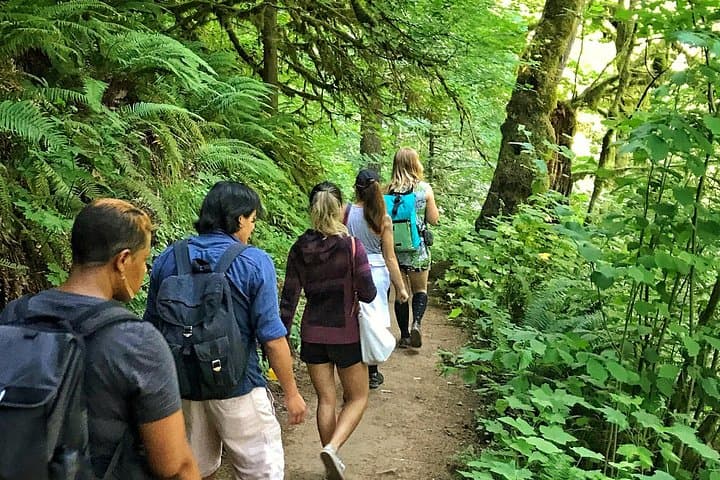
Lose the city for a few hours without leaving it: this 5-mile, 900-foot-gain Forest Park loop threads old-growth pockets, city viewpoints, and cultural landmarks for a compact taste of Portland’s wild side. Expect moss, roots, and stories.